

Compare models
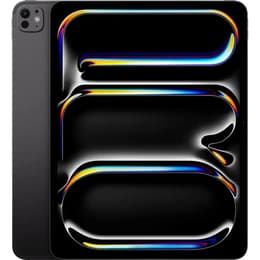
Galaxy Tab A9+ (11.0", 2023) vs iPad Pro (2025, M5 series)
- 1-year warranty
- Free standard shipping
- Free 30-day returns
Differences at a glance
The Samsung Galaxy Tab A9+ (2023) and the Apple iPad Pro M5 series (2025) represent two entirely different segments of the modern tablet market. While the Galaxy Tab A9+ focuses on delivering everyday essentials for media consumption and light tasks, the iPad Pro is designed as a high-performance powerhouse equipped with advanced processing architecture and professional capabilities.
Operating on Android and iPadOS respectively, these devices cater to vastly different user expectations, release schedules, and use cases, making it essential to understand how their practical attributes compare for daily workflows.
Available Models
Colour
Storage
Scores
Durability
Evaluating the lifespan and durability of these devices involves looking at their release timelines, software maintenance schedules, and expected hardware longevity in daily use.
- Software longevity: The iPad Pro benefits from Apple's extended system support window, while the Galaxy Tab A9+ operates on a more standard Android security update cycle aligned with its 2023 release.
- Build and repairability: Both tablets feature solid construction designed for portability, though professional maintenance procedures vary significantly between the Android and iOS ecosystems.
- Expected lifespan: Users looking for a device that retains peak performance over many years of heavy computational loads will find distinct differences in how each hardware configuration ages.
Release year
2023
2025
Compatible with latest Update
Yes
Yes
Operating system
Android
iPadOS
Performance
Underneath the exterior, these tablets handle everyday workloads, multitasking, and demanding applications through distinctly different hardware capabilities.
- Multitasking and app switching: The iPad Pro handles intensive multitasking and demanding creative suites smoothly, whereas the Galaxy Tab A9+ is optimized for standard web browsing, streaming, and casual app use.
- Storage configurations: Available capacities range widely to accommodate extensive media libraries or large professional project files, supplemented by flexible configuration choices.
- System responsiveness: Navigation and app loading speeds reflect the generation gap between the components, with the newer device offering faster overall system fluidity.
Screen quality
The viewing experience is defined by panel technology, resolution, and motion smoothness tailored for everything from reading documents to watching videos outdoors.
- Display technology: The Galaxy Tab A9+ utilizes a standard fluid LCD panel, while higher-end iPad Pro models incorporate advanced screen technology with deep contrast and exceptional outdoor visibility.
- Refresh rate and motion: Both displays offer smooth scrolling capabilities, though peak brightness levels and color accuracy vary to suit different indoor and outdoor viewing environments.
- Resolution and clarity: Text and image sharpness remain clear across both screens, ensuring comfortable reading and media consumption during prolonged usage sessions.
Resolution
1200 x 1920
2752 x 2064
Screen type
TFT LCD
Ultra Retina XDR display
Audiovisual
Tablet optics and audio output cater primarily to video calling, remote meetings, and casual media playback rather than dedicated photography.
- Camera systems: Front and rear camera arrangements provide reliable quality for video conferencing and quick document scanning, with the iPad Pro offering more advanced sensor capabilities.
- Audio delivery: Multi-speaker setups on both devices produce clear sound output for listening to podcasts, watching shows, or joining virtual calls without external headphones.
- Microphone performance: Integrated microphones capture speech cleanly, filtering out background ambient noise effectively during online communication.
Miscellaneous
Practical day-to-day usability is shaped by connectivity standards, physical dimensions, and handling characteristics.
- Portability and handling: Both models maintain slim profiles that easily slip into bags, though weight distribution varies depending on screen size and internal components.
- Connectivity options: Modern wireless standards and cellular connectivity variants provide reliable internet access whether working from home or traveling.
- Interface ports: Universal USB-C connectivity handles charging and accessory attachments, streamlining peripheral compatibility across different setups.
Weight
480 oz
579 oz
Screen size (in)
11.0
13
Network
Wi-Fi + 5G
Wi-Fi
Carrier compatibility
Unlocked
Without SIM Port
What the community thinks
Users comparing these tablets generally note that the Galaxy Tab A9+ excels as a straightforward, accessible device for daily web browsing, streaming media, and light household organization. Reviewers and community discussions often praise its balanced screen size and reliability for casual tasks, though some point out that intensive gaming or professional editing can push its hardware limits. Conversely, the iPad Pro receives widespread recognition for its exceptional processing headroom, advanced display capabilities, and seamless integration for digital artists and mobile professionals, though users frequently mention its higher tier of complexity and positioning.
When deciding between these options, users prioritizing budget-friendly media consumption and everyday tasks may prefer the Samsung Galaxy Tab A9+, while users requiring maximum processing power for creative workflows and heavy multitasking will lean toward the Apple iPad Pro. Selecting a quality-assured refurbished option through platforms like Back Market provides an eco-friendly, sustainable choice that extends device lifecycles without compromising on reliability. Ultimately, aligning your choice with your specific daily demands ensures the most satisfying long-term experience.