Compare models

Galaxy S26 Ultra vs Motorola Razr 40 Ultra

  • 1-year warranty
  • Free standard shipping
  • Free 30-day returns
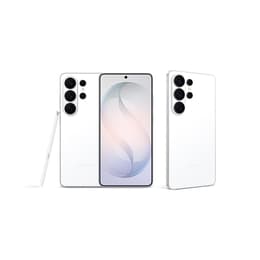
Galaxy S26 Ultra
Starting at

Refurbished price:A$1,559.00

Versus A$2,199.00 new

See options
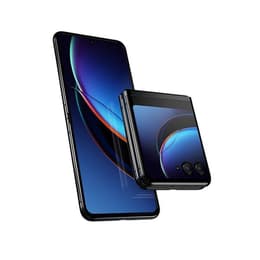
Motorola Razr 40 Ultra
Starting at

Refurbished price:A$530.00

Versus A$2,158.00 new

See options

Differences at a glance

The Samsung Galaxy S26 Ultra (2026) and the Motorola Razr 40 Ultra (2023) represent two distinct smartphone philosophies within the modern mobile landscape. While the Samsung flagship offers a traditional, ultra-durable slate design packed with productivity tools, the Motorola device utilizes a foldable flip mechanism featuring a prominent external cover screen. Both devices run on the Android operating system, yet they cater to very different user preferences regarding form factor and daily utility.

Available Models

Colour

Storage

Scores

Durability

When examining longevity and physical durability, these two devices reflect different generations of mobile engineering and support lifecycles.

  • Release timeline and support: The Galaxy S26 Ultra benefits from a much newer release year, securing extended operating system updates and security patches compared to the older Motorola model.
  • Build and mechanical endurance: The Samsung device employs a rigid glass and armor frame with high-level water resistance, whereas the Motorola relies on a folding internal display and hinge mechanism that requires mindful handling over years of daily folding.
  • Expected practical lifespan: Users choosing the Samsung flagship can anticipate several more years of active software relevance, making quality-assured refurbished options an appealing and sustainable choice for long-term daily use.

Release year

2026

2023

Operating system

Android

Android

Foldable

No

Yes

Performance

Underneath their exteriors, both smartphones handle everyday tasks and intensive applications smoothly, though their thermal design and hardware configuration differ.

  • Multitasking and responsiveness: Both devices switch between open apps smoothly and load demanding software without noticeable stutter, assisted by generous random access memory configurations.
  • Battery behavior: The Galaxy S26 Ultra's larger physical footprint accommodates a higher-capacity battery that reliably sustains extended heavy use throughout a busy day, while the Motorola model's compact folding body requires more frequent charging under heavy workloads.
  • Storage flexibility: Both lineups offer ample onboard storage capacity for large media libraries, offline documents, and application data without expanding via memory cards.

Screen quality

Display design is one of the most apparent differentiators when comparing these two form factors.

  • Primary display technology: Both smartphones utilize vibrant OLED panels that deliver deep blacks, sharp contrast ratios, and vivid colors for media consumption and web browsing.
  • Brightness and outdoor clarity: The Samsung flagship achieves exceptionally high peak brightness levels for clear visibility under direct sunlight, whereas the Motorola folding screen performs well indoors and in moderate outdoor light.
  • Unique viewing layouts: The Motorola Razr 40 Ultra features a large interactive outer cover screen that lets users check notifications and run basic apps while closed, while the Galaxy S26 Ultra provides a vast, uninterrupted flat viewing area suited for productivity and stylus input.

Resolution

1440x3120

1080 x 2640

Audiovisual

Camera capabilities and media consumption hardware cater to distinct creative and entertainment habits on each device.

  • Imaging systems: The Galaxy S26 Ultra features a versatile multi-lens rear array equipped for detailed long-range zoom and high-resolution photography, while the Motorola Razr 40 Ultra relies on a dual-camera setup that also allows creative angles thanks to its foldable design.
  • Video and audio output: Both models capture stable, high-definition video footage with clear audio recording, and their built-in stereo speakers deliver balanced sound for casual video playback and hands-free calls.
  • Low-light performance: Advanced image processing on the newer Samsung hardware pulls extra detail out of dark environments, while the Motorola handles nighttime snapshots adequately for standard sharing.

Miscellaneous

Practical daily usability elements shape how these devices fit into travel, work, and communication routines.

  • Connectivity and ports: Both smartphones support modern fifth-generation cellular networks, rapid wireless protocols, and reversible data ports for charging and file transfers.
  • Biometric security: The Samsung model utilizes an ultrasonic fingerprint sensor embedded beneath the display alongside facial recognition, while the Motorola relies on a side-mounted fingerprint scanner integrated into the power button.
  • Portability: The Motorola folds into a compact square that slips easily into smaller pockets, whereas the Galaxy S26 Ultra offers a wider, traditional slate footprint that prioritizes screen workspace over pocket minimalism.

Weight

214 oz

192 oz

Screen size (in)

6.9

6,9

Network

5G

5G

SIM card

Physical SIM + eSIM

Physical SIM

Carrier compatibility

Unlocked

Unlocked

What the community thinks

Choosing between these two smartphones depends heavily on personal preferences regarding shape, utility, and daily workflow habits. Community discussions frequently praise the Motorola Razr 40 Ultra for its nostalgic folding design and exceptionally useful outer cover screen, though some users note that battery endurance is shorter during intensive tasks. Conversely, public feedback highlights the Galaxy S26 Ultra for its dependable all-day battery life, extensive productivity features, and rugged build, though its larger size is less pocket-friendly.

Users prioritizing compact pocketability and innovative screen flexibility may prefer the Motorola Razr 40 Ultra, while users prioritizing long battery life, expansive workspace, and extended software support will find the Galaxy S26 Ultra better-suited to their needs. Exploring a quality-assured refurbished option provides an eco-friendly way to acquire either model while supporting sustainable technology consumption. Evaluating these core differences will help guide a balanced decision aligned with individual daily routines.