
Compare models

Galaxy S26 Ultra vs Galaxy Z Fold7

  • 1-year warranty
  • Free standard shipping
  • Free 30-day returns
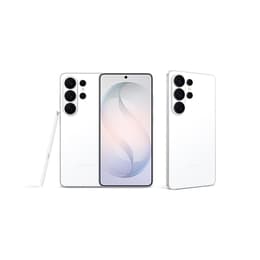
Galaxy S26 Ultra
Starting at

Refurbished price:A$1,529.00

Versus A$2,199.00 new

See options
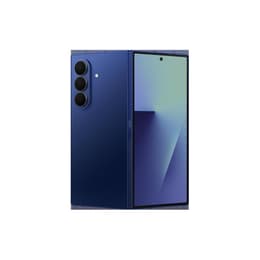
Galaxy Z Fold7
Starting at

Refurbished price:A$1,300.00

Versus A$2,499.00 new

See options

Differences at a glance

The Samsung Galaxy S26 Ultra (2026) and Samsung Galaxy Z Fold7 (2025) represent two distinct approaches to modern mobile engineering within the premium smartphone market. While the Galaxy S26 Ultra follows a traditional slate form factor focused on integrated stylus functionality and a versatile camera array, the Galaxy Z Fold7 introduces a foldable book-style design featuring a dual-screen experience. Both devices run on the Android operating system and share Samsung's software interface, yet they cater to entirely different physical handling preferences and daily usage habits.

Available Models

Colour

Storage (GB)

Scores

Durability

Long-term usability depends heavily on software support timelines, physical resilience, and repairability factors across both models.

  • Software longevity and updates: Both devices receive multi-year operating system updates and security patches, though their differing launch years mean software support schedules stretch to different end dates.
  • Build resilience and repairability: The Galaxy S26 Ultra utilizes reinforced armor aluminum and scratch-resistant glass panels designed to withstand everyday drops, whereas the Galaxy Z Fold7 requires careful handling due to its complex folding hinge mechanism and flexible internal display layers.
  • Expected practical lifespan: Users prioritizing a traditional monolithic structure often see fewer structural wear points over years of daily pocket use, while foldable owners manage mechanical folding components that benefit from gentle handling.

Release year

2026

2025

Operating system

Android

Android

Foldable

No

Yes

Performance

Both smartphones deliver high-tier processing capabilities that easily manage demanding apps, heavy multitasking, and intensive mobile gaming sessions.

  • Multitasking and memory management: Generous random access memory allocations on both models allow multiple demanding applications to run simultaneously without performance throttling or stuttering.
  • Battery behavior and thermal design: The Galaxy S26 Ultra features a large traditional battery capacity that comfortably handles a full day of heavy mixed use, while the Galaxy Z Fold7 manages power across two separate screens, leading to different battery drain patterns during extended tablet-mode usage.
  • Storage configuration availability: Both devices offer ample internal storage tiers to accommodate large media libraries, high-resolution video files, and extensive document caches.

Screen quality

Display performance stands out on both devices, though they use completely different physical layouts and panel technologies for media consumption.

  • Display technology and panels: The Galaxy S26 Ultra features a flat high-resolution OLED panel with deep black levels and integrated stylus support, while the Galaxy Z Fold7 unfolds to reveal a large flexible OLED tablet-sized screen alongside a standard cover display.
  • Brightness and outdoor visibility: High peak brightness levels on both models ensure clear outdoor legibility under direct sunlight, making navigation and reading effortless outdoors.
  • Refresh rate smoothness: Adaptive high refresh rates on both devices deliver fluid scrolling through web pages, smooth system animations, and responsive touch feedback during gaming.

Resolution

1440x3120

1968x2184

Audiovisual

Photography and multimedia output vary significantly depending on whether users prefer extreme telephoto reach or versatile multi-screen framing.

  • Camera system hardware: The Galaxy S26 Ultra equips a multi-lens rear array featuring a high-resolution primary sensor and dedicated long-range optical zoom lenses, whereas the Galaxy Z Fold7 utilizes a versatile folding camera setup adapted for flexible angles and tabletop self-portraits.
  • Low-light and video capture: Both smartphones process dark environments effectively to reduce visual noise, and record stable high-definition video with clear audio isolation from built-in microphones.
  • Media consumption and speakers: Stereo speaker setups on both devices deliver balanced audio output for phone calls, podcasts, and casual video viewing without external speakers.

Miscellaneous

Physical dimensions, connectivity standards, and daily handling characteristics differ substantially between these two smartphone designs.

  • Form factor and ergonomics: The Galaxy S26 Ultra provides a wide slab body with a built-in silo for the stylus, while the Galaxy Z Fold7 folds closed into a narrower, thicker profile that expands into a tablet shape when opened.
  • Connectivity and ports: Both devices support modern fifth-generation cellular networks, rapid wireless connectivity standards, and universal USB-C charging ports.
  • Authentication sensors: Side-mounted or under-display biometric sensors provide quick fingerprint recognition alongside software-based facial recognition options.

Weight

214 oz

215 oz

Screen size (in)

6.9

8.0

Network

5G

5G

SIM card

Physical SIM + eSIM

Dual Physical SIM + eSIM

Carrier compatibility

Unlocked

Unlocked

What the community thinks

Online user communities frequently praise the Galaxy S26 Ultra for its robust battery longevity, dependable all-around camera zoom capabilities, and the seamless convenience of an integrated stylus. At the same time, discussions around the Galaxy Z Fold7 highlight appreciation for its expansive unfolding screen space, which transforms productivity and media viewing on the go. Common concerns for the traditional slate model center on its large physical footprint in tighter pockets, while foldable owners occasionally note the visible crease on the inner screen and the heavier overall pocket weight. When exploring these devices, choosing a quality-assured refurbished option through sustainable platforms like Back Market provides an eco-friendly alternative that extends device lifecycles.

Users who prioritize traditional ergonomics, maximum optical zoom photography, and stylus note-taking will find the Galaxy S26 Ultra well-suited to their daily routines. Conversely, users prioritizing multitasking real estate and a portable dual-screen tablet experience may lean toward the Galaxy Z Fold7. Evaluating personal workflow requirements will clarify which device format fits everyday needs best.