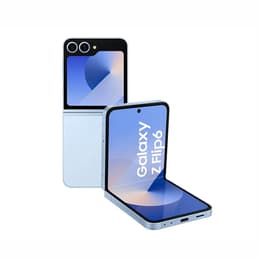
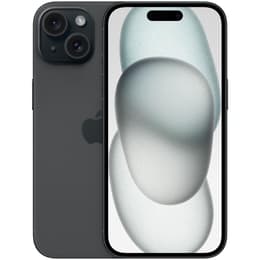
Galaxy Z Flip6 vs iPhone 15

Galaxy Z Flip6
Galaxy Z Flip6
Starting at

Refurbished price:A$699.00

Versus A$1,649.00 new

See options
iPhone 15
iPhone 15
Starting at

Refurbished price:A$680.00

Versus A$1,249.00 new

See options

Ratings

The Samsung Galaxy Z Flip6, released in July 2024, and the Apple iPhone 15, launched in September 2023, represent distinct approaches to modern smartphone design and functionality. The Z Flip6 stands out with its innovative foldable form factor, offering a compact experience when closed and a full-sized display when open, running on the Android operating system. In contrast, the iPhone 15 maintains a traditional slab design, powered by Apple's iOS, focusing on a refined user experience within a conventional smartphone body. These devices cater to different user preferences, primarily differing in their physical design and operating system ecosystems.

Scores

Durability

When considering the long-term usability of these devices, both offer substantial software support, though with different timelines and implications for their respective designs.

  • Software Longevity: The Galaxy Z Flip6 is notable for its commitment to seven years of Android OS upgrades and security updates, extending its support well into 2031. This extended support period ensures the device remains current with the latest features and security protocols for a considerable duration. The iPhone 15, while historically known for long support, officially guarantees a minimum of five years of security updates from its September 2023 release, with typical iOS updates often extending to five or six years.
  • Physical Durability: The iPhone 15 features a Ceramic Shield front cover and an aluminum frame, contributing to its IP68 dust and water resistance rating. User reports indicate the base iPhone 15 model holds up well in bend tests. The Galaxy Z Flip6, with its foldable design, has an IP48 rating, indicating resistance to water and limited dust ingress. While its hinge and foldable screen have seen durability improvements over previous generations, the folding mechanism introduces a different set of considerations compared to a rigid smartphone.
  • Practical Lifespan: Both devices are built to last, with their respective manufacturers providing robust support and hardware. The Z Flip6's extended software commitment offers peace of mind for users planning to keep their device for many years, while the iPhone 15's solid build and consistent, though slightly shorter, update cycle also promise a long functional life.

Release year

2024

2023

Compatible with latest Update

Yes

Yes

Operating system

Android

iOS

Foldable

Yes

No

Performance

Both the Galaxy Z Flip6 and the iPhone 15 deliver strong performance, capable of handling demanding applications and multitasking with ease, though they achieve this through different hardware configurations.

  • Processing Power: The Galaxy Z Flip6 is equipped with a current-generation processor designed for high efficiency and powerful performance, ensuring smooth operation across various tasks, from intensive gaming to complex productivity applications. The iPhone 15 features a powerful processor that provides a significant boost in performance compared to its predecessors, offering a highly responsive user experience and efficient handling of iOS applications.
  • Multitasking and Responsiveness: With 12GB of RAM, the Galaxy Z Flip6 is well-suited for extensive multitasking, allowing users to switch between numerous applications without noticeable slowdowns. The iPhone 15, with 6GB of RAM, is optimized by its operating system to manage applications effectively, providing a fluid and responsive experience even with multiple apps running simultaneously.
  • Storage Options: The Galaxy Z Flip6 offers storage configurations of 256GB and 512GB, providing ample space for apps, media, and documents. The iPhone 15 provides more granular choices with 128GB, 256GB, and 512GB options, catering to users with varying storage needs.

Memory (GB)

12 GB

6 GB

Screen quality

The display experience on the Galaxy Z Flip6 and iPhone 15 differs significantly due to their fundamental design philosophies, offering distinct visual characteristics and user interactions.

  • Display Technology and Clarity: The Galaxy Z Flip6 features a 6.7-inch Dynamic AMOLED 2X main display when unfolded, offering vibrant colors, deep blacks, and a sharp 2640x1080 pixel resolution. It also includes a 3.4-inch Super AMOLED cover screen for quick interactions. The iPhone 15 sports a 6.1-inch Super Retina XDR OLED display with a resolution of 2556x1179 pixels, known for its excellent color accuracy and contrast.
  • Brightness and Smoothness: The Z Flip6's main display boasts a 120Hz refresh rate, contributing to smoother scrolling and more fluid animations, along with a peak brightness of up to 2,600 nits for good outdoor visibility. The iPhone 15 features a 60Hz refresh rate, which is standard for many applications, and offers a bright display that is easy to read in various lighting conditions.
  • Unique Features: The Z Flip6's foldable nature allows for a compact form factor when closed, and its cover screen provides quick access to notifications and widgets. The iPhone 15 incorporates the Dynamic Island, an interactive area around the front camera and sensors that dynamically displays alerts and background activities.

Resolution

1080 x 2640

1179 x 2556

Screen type

Foldable Dynamic LTPO AMOLED 2X

Super Retina XDR OLED

Audiovisual

Both smartphones offer capable camera systems designed to capture high-quality images and videos, but they approach photography with different hardware and software optimizations.

  • Rear Camera Systems: The Galaxy Z Flip6 features a dual-camera setup with a 50MP main sensor with optical image stabilization and a 12MP ultra-wide lens. This configuration is praised for improved daylight photos and good video stabilization. The iPhone 15 also has a dual-camera system, comprising a 48MP main camera that uses sensor-shift optical image stabilization and a 12MP ultra-wide camera. The 48MP main sensor can capture 2x optical zoom by cropping the sensor.
  • Photography Performance: The Z Flip6 delivers detailed and accurate photos in good lighting conditions, with improvements over its predecessor, though some users note inconsistencies in portrait mode and challenges in low-light environments. The iPhone 15 is recognized for its excellent overall photo quality, particularly in daylight, with strong detail and color reproduction, and enhanced low-light performance compared to earlier models. Its new Portrait mode allows for depth adjustments after the photo is taken.
  • Video Capabilities: Both devices offer high-quality video recording. The Z Flip6 provides smooth and steady video capture. The iPhone 15 is highly regarded for its video capabilities, including features like Cinematic Mode and Action Mode, producing stable and clear footage.

Main camera

50 megapixels

48 megapixels

Front camera

10 megapixels

12 megapixels

Miscellaneous

Beyond their core features, several practical elements differentiate the Galaxy Z Flip6 and iPhone 15, influencing daily usability and overall experience.

  • Connectivity and Ports: Both devices support 5G connectivity for fast mobile data. The Galaxy Z Flip6 supports modern Wi-Fi standards and Bluetooth, and features a USB-C port for charging and data transfer. The iPhone 15 also includes 5G, Wi-Fi 6E, Bluetooth 5.3, and notably, has transitioned to a USB-C port, allowing for broader compatibility with accessories.
  • Biometric Security: The Galaxy Z Flip6 typically uses a side-mounted fingerprint sensor for secure unlocking. The iPhone 15 relies on Face ID, an advanced facial recognition system integrated into the Dynamic Island, for secure authentication.
  • Design and Handling: The Z Flip6's primary differentiator is its foldable design, allowing it to be significantly more compact when closed, fitting easily into smaller pockets. When unfolded, it offers a full-sized screen experience. The iPhone 15 maintains a traditional, sleek slab design, with an aluminum frame and a comfortable in-hand feel. The Z Flip6 weighs around 187g, while the iPhone 15 is lighter at 171g.

Weight

187 oz

171 oz

Screen size (in)

6.7

6.1

Network

5G

5G

SIM card

Physical SIM + eSIM

Physical SIM + eSIM

Carrier compatibility

Unlocked

Unlocked

The choice between the Samsung Galaxy Z Flip6 and the iPhone 15 ultimately depends on individual priorities and preferred smartphone experience. Users often praise the Galaxy Z Flip6 for its innovative foldable design, which offers a unique blend of portability and a large screen when needed. Its extended software support commitment is also a significant advantage for those seeking long-term device relevance. However, some users have noted that its camera performance, particularly in challenging lighting, and the limited functionality of its cover screen could be areas for improvement.

On the other hand, the iPhone 15 is frequently lauded for its consistently excellent camera system, robust performance, and the seamless integration within the Apple ecosystem. The introduction of the Dynamic Island and the shift to USB-C have been well-received enhancements. Criticisms sometimes point to its 60Hz display refresh rate, which some find less fluid than higher refresh rate screens on competing devices, and for some, the battery life of the smaller iPhone 15 model could be more substantial.

Users prioritizing a compact, innovative form factor with extensive software support and a desire to stand out might find the Galaxy Z Flip6 well-suited to their needs. Its ability to fold makes it highly portable, appealing to those who value convenience and a unique aesthetic. Conversely, individuals who value a consistently high-performing camera, a traditional and highly refined user experience, and long-standing software reliability within a familiar ecosystem will likely lean towards the iPhone 15. Both devices represent quality options in the smartphone market, and for those looking for an eco-friendly, quality-assured refurbished option, Back Market provides a sustainable choice for either model.

See all articles

Our recent comparisons