
Compare models

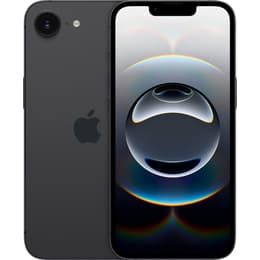
Galaxy S24 FE vs iPhone 16e

  • 1-year warranty
  • Free standard shipping
  • Free 30-day returns
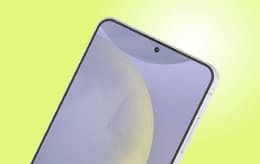
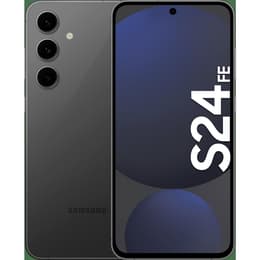
Galaxy S24 FE
Starting at

Refurbished price:A$566.00

Versus A$710.00 new

See options
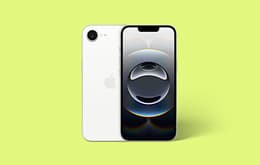
iPhone 16e
Starting at

Refurbished price:A$660.00

Versus A$999.00 new

See options

Differences at a glance

The Samsung Galaxy S24 FE (2024) and the Apple iPhone 16e (2025) represent approachable entry points into their respective manufacturer ecosystems. While the Galaxy S24 FE runs on the Android operating system with a larger physical layout, the iPhone 16e operates on iOS within a more compact form factor. These devices cater to users seeking modern smartphone capabilities without opting for top-tier flagship lines, differing primarily in their screen sizes, operating systems, and overall physical dimensions.

Available Models

Colour

Storage

Scores

Durability

Both smartphones provide robust long-term usability, though they follow different support schedules and design philosophies regarding hardware durability.

  • Software support lifecycle: The Galaxy S24 FE receives multi-year operating system upgrades typical of modern Android flagships, whereas the iPhone 16e benefits from Apple's extended software maintenance timeline, ensuring prolonged security updates.
  • Build durability: The Samsung model incorporates reinforced glass and aluminum framing designed to resist everyday wear, while the Apple model utilizes durable front glass shielding and water-resistance ratings suitable for daily hazards.
  • Repair infrastructure: Both manufacturers offer established repair pathways, making quality-assured refurbished options widely serviceable and sustainable choices for environmentally conscious consumers.

Release year

2024

2025

Operating system

Android

iOS

Foldable

No

No

Performance

Underneath the exterior, both devices manage daily tasks, multitasking, and demanding applications smoothly through current-generation processing hardware and optimized system memory.

  • Multitasking and app switching: Both units handle multiple background apps, web browsing, and heavy software concurrently without noticeable stutter or slowdown.
  • Battery endurance: The Galaxy S24 FE features a large capacity cell suited for extended screen-on duration, while the iPhone 16e optimizes power efficiency to deliver reliable all-day usage on a single charge under mixed conditions.
  • Storage capacity: Both smartphones offer multiple configuration tiers starting at 128 gigabytes, accommodating substantial photo libraries and local application data.

Screen quality

Visual output differs noticeably between the two models in terms of physical workspace, refresh rates, and panel technology.

  • Display panels and fluidity: The Galaxy S24 FE utilizes a large AMOLED screen with a high refresh rate for smooth scrolling, whereas the iPhone 16e employs a compact OLED panel prioritizing sharp pixel density and deep contrast ratios.
  • Outdoor visibility: Both displays reach high peak brightness levels, ensuring text and images remain legible under direct sunlight.
  • Viewing footprint: The Samsung model offers expansive screen real estate ideal for media consumption, while the iPhone 16e provides a compact workspace that is easier to manage with one hand.

Resolution

1080x2340

2532x1170

Audiovisual

Camera configurations reflect different design choices for capturing everyday moments, recording video, and handling audio output.

  • Rear camera versatility: The Galaxy S24 FE features a versatile multi-lens setup including ultra-wide and telephoto capabilities, whereas the iPhone 16e focuses on a primary high-resolution sensor complemented by digital zoom processing.
  • Video and low-light performance: Both devices capture detailed video footage with digital stabilization and produce clear images in challenging low-light environments.
  • Media and audio output: Integrated stereo speakers on both models deliver clear sound reproduction for hands-free calls, casual video viewing, and audio playback.

Miscellaneous

Practical everyday features, connectivity standards, and physical handling characteristics shape how each device fits into daily routines.

  • Connectivity and ports: Both smartphones support modern fifth-generation cellular networks, Wi-Fi standards, and utilize universal USB Type-C connectivity ports for charging and data transfer.
  • Biometric security: The Samsung device offers facial recognition alongside an optical under-display fingerprint sensor, while the Apple model relies exclusively on secure facial authentication.
  • Physical handling: The Galaxy S24 FE is wider and heavier due to its larger screen, whereas the iPhone 16e offers a lighter, narrower profile that fits more comfortably in smaller pockets.

Weight

213 oz

167 oz

Screen size (in)

6.7

6.1

Network

5G

5G

SIM card

Physical SIM + eSIM

Physical SIM + eSIM

Carrier compatibility

Unlocked

Unlocked

What the community thinks

Users evaluating these models often praise the Galaxy S24 FE for its expansive display workspace, versatile camera lenses, and smooth scrolling capabilities. Conversely, frequent discussions highlight appreciation for the iPhone 16e due to its compact one-handed usability, reliable battery efficiency, and streamlined iOS software environment. Some community criticisms point out that the Samsung device feels heavy during prolonged use, while others note that the Apple device's limited physical lens selection restricts optical framing choices.

Users prioritizing a large screen and multi-lens camera versatility may prefer the Galaxy S24 FE, while users prioritizing a compact form factor, long-term software support, and the iOS ecosystem will lean toward the iPhone 16e. Choosing between them depends on whether your daily routine benefits more from an expansive display or a pocket-friendly footprint, with eco-friendly refurbished models providing a sustainable path to ownership.