
Compare models
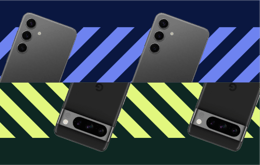
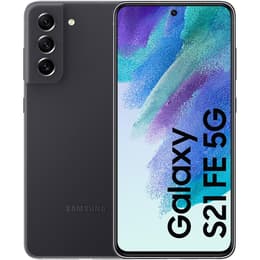
Galaxy S21 FE 5G vs Galaxy Z Flip7
- 1-year warranty
- Free standard shipping
- Free 30-day returns
Differences at a glance
The Samsung Galaxy S21 FE 5G (2022) and the Samsung Galaxy Z Flip7 (2025) represent two distinct approaches to modern smartphone design, targeting different user preferences across hardware layout and release generation. While the Galaxy S21 FE 5G offers a traditional candy-bar smartphone experience focused on everyday reliability, the Galaxy Z Flip7 introduces a contemporary foldable form factor with a clamshell design. Both devices run on the Android operating system paired with Samsung's custom interface, though they differ significantly in their physical construction and hardware capabilities.
Available Models
Colour
Storage
Scores
Durability
When evaluating the long-term viability and physical endurance of these two devices, several generational and structural differences emerge between the traditional candy-bar layout and the modern foldable format.
- Release timeline and software support: The Galaxy S21 FE 5G launched earlier in the decade, meaning it occupies a more mature point in its software lifecycle. In contrast, the Galaxy Z Flip7 benefits from a later release date and a longer manufacturer update commitment, providing extended operating system and security patch timelines.
- Repairability and physical construction: Traditional glass-and-plastic bar phones like the Galaxy S21 FE 5G generally feature simpler structural maintenance profiles. Foldable devices like the Galaxy Z Flip7 require specialized hinge mechanisms and flexible inner screens, which influence long-term wear patterns under frequent folding use.
- Expected practical lifespan: Users tracking software longevity will find that the newer release timeline of the foldable model extends its relevance for future platform updates, whereas the older device approaches its support window maturity.
Release year
2022
2025
Operating system
Android
Android
Foldable
No
Yes
Performance
Underneath their distinct exteriors, both smartphones handle daily computational demands, multitasking routines, and application loading through current-generation processing architecture.
- System responsiveness and multitasking: Both devices manage everyday tasks, web browsing, and app switching smoothly, though the higher random access memory configuration on the Galaxy Z Flip7 allows for more sustained background app management during heavy multitasking.
- Storage configurations: The Galaxy S21 FE 5G typically accommodates standard storage tiers suitable for everyday photo libraries and common applications, while the Galaxy Z Flip7 provides higher baseline capacity options for users managing extensive media collections.
- Battery behavior: The Galaxy Z Flip7 incorporates a larger internal battery capacity to support its dual-screen setup, though power consumption varies depending on how frequently the external cover display is utilized throughout the day.
Screen quality
Display technology serves as one of the most prominent differentiators between these two models, contrasting a standard flat panel with a dynamic foldable glass surface.
- Display technology and form factor: The Galaxy S21 FE 5G utilizes a flat, rigid display panel with consistent clarity, whereas the Galaxy Z Flip7 features a foldable inner screen paired with a large exterior cover display for quick interactions without opening the device.
- Brightness and outdoor visibility: Both models offer high peak brightness levels that maintain legibility under direct sunlight, ensuring content remains clear during outdoor use.
- Refresh rate and visual smoothness: Both devices support high refresh rate technology, delivering fluid scrolling animations, responsive touch tracking, and smooth motion during media playback and navigation.
Resolution
1080 x 2340
1080x2520
Audiovisual
Imaging hardware and media consumption capabilities vary across both models, reflecting their respective release eras and mechanical layouts.
- Camera system versatility: The Galaxy Z Flip7 features updated sensor resolutions and optical stabilization improvements for its primary and ultra-wide lenses, while the Galaxy S21 FE 5G relies on a traditional triple-lens setup including a dedicated telephoto option.
- Low-light and video performance: Image processing algorithms on the newer foldable model yield cleaner low-light photography and steady video recording, though both devices handle everyday snapshots and casual recording reliably.
- Media consumption and audio output: Stereo speaker setups on both phones deliver clear audio for calls and video streaming, with the foldable model benefiting from unique positioning angles when propped open on flat surfaces.
Miscellaneous
Practical daily usability is shaped by physical dimensions, connectivity standards, and integrated hardware sensors across both models.
- Connectivity and ports: Both devices support modern fifth-generation cellular networks, high-speed wireless standards, and Bluetooth pairing, utilizing standard reversible charging ports without traditional headphone jacks.
- Biometric security: The Galaxy S21 FE 5G relies on an optical in-display fingerprint sensor and facial recognition, whereas the Galaxy Z Flip7 positions its fingerprint scanner conveniently on the side power button alongside facial recognition options.
- Handling and physical dimensions: The Galaxy S21 FE 5G offers a lightweight, uniform profile suited for standard pocket storage, while the Galaxy Z Flip7 folds in half to significantly reduce its footprint for portable carrying. For buyers exploring sustainable choices, opting for a quality-assured refurbished option provides a practical way to acquire these devices while reducing electronic waste.
Weight
177 oz
188 oz
Screen size (in)
6.4
6.9
Network
5G
5G
SIM card
Physical SIM
Physical SIM + eSIM
Carrier compatibility
Unlocked
Unlocked
What the community thinks
User discussions across community forums highlight distinct preferences when comparing these two devices. Owners of the Galaxy S21 FE 5G frequently praise its reliable everyday performance, comfortable ergonomics, and straightforward maintenance. Common criticisms for the older model center around moderate battery endurance under heavy workloads and a shorter remaining software support window. On the other hand, users frequently commend the Galaxy Z Flip7 for its innovative pocket-friendly folding design, expansive cover screen utility, and extended update longevity. Frequent concerns regarding the foldable model involve the visibility of the screen crease in certain lighting conditions and the added care required for flexible display maintenance.
Users prioritizing a traditional, lightweight form factor with straightforward handling will find the Galaxy S21 FE 5G well-suited to their daily routines. Conversely, users prioritizing a compact pocket footprint, an interactive cover screen for quick notifications, and long-term software support may lean toward the Galaxy Z Flip7. Exploring a quality-assured refurbished option offers an eco-friendly alternative for acquiring either device while supporting sustainable consumption practices. Ultimately, the choice depends on whether a traditional candy-bar layout or a modern folding design aligns best with individual daily habits.