
Compare models

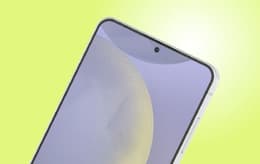
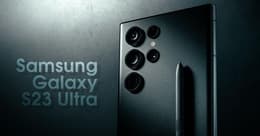
Galaxy S24 FE vs Galaxy S26 Ultra

  • 1-year warranty
  • Free standard shipping
  • Free 30-day returns
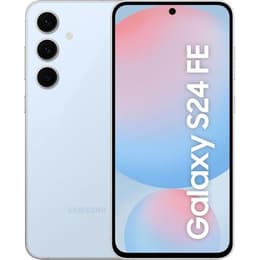
Galaxy S24 FE
Starting at

Refurbished price:A$549.00

Versus A$639.00 new

See options
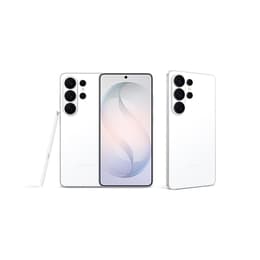
Galaxy S26 Ultra
Starting at

Refurbished price:A$1,529.00

Versus A$2,199.00 new

See options

Differences at a glance

The Samsung Galaxy S24 FE (2024) and the Samsung Galaxy S26 Ultra (2026) represent different tiers and release years within Samsung's smartphone lineup. While the Galaxy S24 FE focuses on delivering core flagship experiences at an accessible scale, the Galaxy S26 Ultra functions as a top-tier device equipped with advanced capabilities and expansive hardware. Both devices operate on the Android platform with Samsung's custom interface, but they differ significantly in their target device class, physical dimensions, and hardware sophistication.

Available Models

Colour

Storage (GB)

Scores

Durability

When examining software longevity and structural endurance, both models provide prolonged support frameworks while differing in their overall release timelines and repairability characteristics.

  • Software longevity: The Galaxy S26 Ultra benefits from a more recent release year, ensuring an extended window of official operating system upgrades and security patches compared to its counterpart.
  • Build and repair structure: Both devices employ robust external materials designed for daily wear, though repair processes vary depending on component availability and internal assembly complexity.
  • Expected lifespan: Users can anticipate reliable multi-year operation from both models, with the newer device retaining active update compatibility further into the future.

Release year

2024

2026

Operating system

Android

Android

Foldable

No

No

Performance

System responsiveness and daily execution capabilities vary between these models, driven by differences in internal processing hardware and memory capacity.

  • Multitasking and processing: The Galaxy S26 Ultra handles intensive multi-application workflows and complex gaming smoothly, whereas the Galaxy S24 FE manages standard daily tasks, social media apps, and moderate gaming with steady reliability.
  • Memory and storage variations: Available configurations differ across the lineup, with the ultra-tier model offering higher baseline memory configurations to support demanding background processes.
  • Power management: Battery discharge rates fluctuate based on usage intensity, with larger power cell capacities in the ultra tier helping sustain longer intervals between charges during heavy workloads.

Screen quality

Display configurations on both smartphones utilize advanced panel technology designed to deliver clear visuals across various lighting conditions.

  • Panel technology and clarity: Both devices feature vibrant organic light-emitting displays that produce deep contrast levels and sharp text rendering for reading and media viewing.
  • Brightness and outdoor visibility: Maximum luminance capabilities differ, with newer flagship hardware achieving higher peak brightness levels to maintain screen legibility under direct sunlight.
  • Refresh rate fluidity: Both screens support high refresh rates for smooth scrolling through web pages and fluid motion in supported applications, paired with adaptive scaling to optimize battery consumption.

Resolution

1080x2340

1440x3120

Audiovisual

Photographic and acoustic hardware configurations present distinct capabilities for capturing media and consuming audio content.

  • Camera versatility: The Galaxy S26 Ultra incorporates a multi-lens array including an advanced telephoto system for distant subjects, while the Galaxy S24 FE relies on a standard multi-camera setup suitable for everyday snapshots and wide-angle framing.
  • Low-light and video capture: Image processing engines on both devices handle dim environments effectively, though the higher-tier model utilizes larger sensors to capture finer details in challenging lighting.
  • Audio output: Stereo speaker setups on both smartphones deliver clear sound for hands-free calls and casual media playback, complemented by multi-microphone arrays for noise reduction during voice communication.

Miscellaneous

Physical handling characteristics and connectivity options define how each device integrates into daily routines and travel environments.

  • Dimensions and physical handling: The Galaxy S24 FE offers a moderately proportioned form factor suited for single-handed use, whereas the Galaxy S26 Ultra features a larger footprint designed to maximize screen workspace.
  • Connectivity standards: Both models support current mobile networks and wireless standards, ensuring stable data transmission and accessory pairing.
  • Interface ports: Universal USB-C ports handle power delivery and wired data transfers on both devices, aligning with modern electronic accessories.

Weight

213 oz

214 oz

Screen size (in)

6.7

6.9

Network

5G

5G

SIM card

Physical SIM + eSIM

Physical SIM + eSIM

Carrier compatibility

Unlocked

Unlocked

What the community thinks

User discussions across public forums frequently highlight the Galaxy S24 FE for providing a balanced set of core features without unnecessary complexity, while users often praise the Galaxy S26 Ultra for its expansive display canvas, advanced photographic reach, and sustained processing power. Common considerations involve balancing physical size against screen workspace, as well as weighing the need for specialized camera optics against everyday utility. Users who prioritize a comfortable, moderately sized device for standard messaging, web browsing, and casual media consumption will find the Galaxy S24 FE well-suited to their needs. Conversely, users who require extensive multitasking headroom, advanced telephoto photography, and maximum software lifespan may lean toward the Galaxy S26 Ultra. For those exploring sustainable purchasing alternatives, a quality-assured refurbished option can provide a reliable pathway to acquiring either device while supporting eco-friendly consumption habits. Ultimately, the choice depends on matching individual workflow demands and physical handling preferences with the distinct characteristics of each model.