
Compare models
Galaxy A56 vs Galaxy Z Fold7
- 1-year warranty
- Free standard shipping
- Free 30-day returns
Differences at a glance
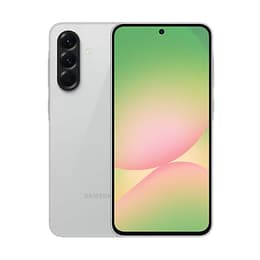
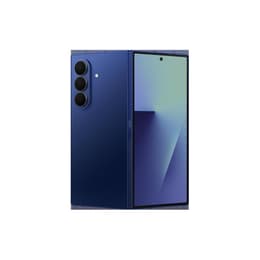
The Samsung Galaxy A56 (2025) and the Samsung Galaxy Z Fold7 (2025) represent two fundamentally distinct approaches to modern mobile device design within the same brand ecosystem. While the Galaxy A56 follows a traditional, candy-bar smartphone form factor aimed at everyday reliability, the Galaxy Z Fold7 introduces a book-style foldable design that transforms from a standard outer screen into a tablet-sized inner display. Both devices run on Android with Samsung's customized interface, but they cater to entirely different user expectations regarding hardware utility and daily handling.
Available Models
Colour
Storage (GB)
Scores
Durability
When evaluating structural longevity and software support, both devices benefit from long-term update commitments while adopting very different physical architectures.
- Software support timelines: Both models receive multi-year operating system upgrades and security patches, helping maintain software relevance over extended periods.
- Physical durability: The Galaxy A56 features a rigid glass-and-metal slab construction with standard water and dust resistance, whereas the Galaxy Z Fold7 utilizes a complex hinge mechanism and foldable inner screen that require careful handling despite advanced protective materials.
- Repairability and lifespan: Traditional smartphones like the Galaxy A56 typically present simpler maintenance pathways over time, while foldable devices involve specialized screen replacement procedures that users often explore quality-assured refurbished options for to balance sustainability and utility.
Release year
2025
2025
Operating system
Android
Android
Foldable
No
Yes
Performance
Underneath their distinct exteriors, both smartphones handle daily digital tasks smoothly, though their processing hardware and internal capacities are tailored to different workloads.
- Multitasking and app execution: The Galaxy A56 handles standard messaging, web browsing, and casual streaming with reliable efficiency, while the Galaxy Z Fold7 relies on high-tier processing power designed to run demanding multi-window workflows and heavy gaming simultaneously.
- Battery behavior: The Galaxy A56 includes a large single-cell battery capable of comfortably lasting through a full day of typical mixed use, whereas the Galaxy Z Fold7 manages power across two distinct displays, meaning heavy reliance on the expansive inner screen results in more frequent charging intervals.
- Memory and storage configurations: Both devices offer ample storage tiers and generous RAM allocations to keep background applications active, with the foldable model supporting more intensive productivity environments.
Screen quality
Display technology is the primary differentiator between these two models, changing how media and documents are consumed.
- Display architecture: The Galaxy A56 features a flat, traditional panel with crisp resolution and vibrant colors, whereas the Galaxy Z Fold7 deploys a dual-screen setup combining a standard outer display with a sweeping, tablet-sized inner foldable screen.
- Brightness and outdoor visibility: Both models achieve high peak brightness levels to ensure legibility under direct sunlight, though reflective characteristics differ slightly between traditional glass and flexible polymer screen layers.
- Refresh rate smoothness: Both screens support fluid high refresh rates that make scrolling through web pages and navigating user interfaces appear seamless.
Resolution
1080x2340
1968x2184
Audiovisual
Imaging hardware and media output capabilities reflect the distinct engineering priorities of each device class.
- Camera system versatility: The Galaxy A56 equips a reliable multi-lens rear setup suited for everyday casual photography, while the Galaxy Z Fold7 incorporates advanced high-resolution sensor architecture that adapts to various shooting postures, including freestanding tripod modes enabled by the folding hinge.
- Video and audio output: Both smartphones record sharp video with effective stabilization, and their stereo speaker configurations deliver clear audio for hands-free calls and media playback.
- Low-light performance: Advanced image processing on both devices helps capture balanced night shots, though higher-tier hardware on the foldable model pulls in additional detail in challenging illumination.
Miscellaneous
Practical daily utility involves distinct ergonomic profiles, physical dimensions, and connectivity standards.
- Handling and ergonomics: The Galaxy A56 feels like a standard, balanced smartphone in the hand, whereas the Galaxy Z Fold7 offers a remarkably thin profile when closed but carries a heavier weight and a narrower outer screen aspect ratio.
- Connectivity and ports: Both models feature modern 5G connectivity, Wi-Fi standards, Bluetooth, and USB Type-C charging ports, alongside secure biometric authentication methods tailored to their respective hardware layouts.
- Build materials: The Galaxy A56 utilizes sturdy glass panels, while the Galaxy Z Fold7 implements lightweight aerospace-grade alloys and a refined hinge system to minimize bulk.
Weight
198 oz
215 oz
Screen size (in)
6.7
8.0
Network
5G
5G
SIM card
Physical SIM + eSIM
Dual Physical SIM + eSIM
Carrier compatibility
Unlocked
Unlocked
What the community thinks
User feedback from online communities highlights distinct preferences for each device based on lifestyle requirements. Owners of the Galaxy A56 frequently praise its dependable battery life, comfortable everyday handling, and straightforward reliability for standard communication and media tasks. Conversely, users of the Galaxy Z Fold7 appreciate the expanded workspace provided by the large inner display and the convenience of having a compact tablet that folds down to pocket size, though some note the added weight and the necessary care required for foldable screen maintenance as regular discussion points.
Users prioritizing simplicity, straightforward ergonomics, and reliable daily battery endurance will find the Galaxy A56 well-suited to their needs. Meanwhile, users prioritizing multitasking space, productivity, and versatile viewing formats may lean toward the Galaxy Z Fold7. Choosing between them depends entirely on whether a traditional smartphone layout or a flexible, multi-screen workspace better matches daily habits, with sustainable choices like a quality-assured refurbished option available for conscious buyers.