Compare models
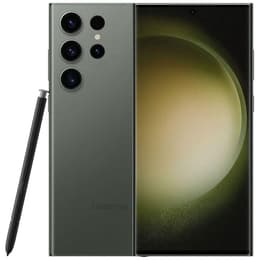
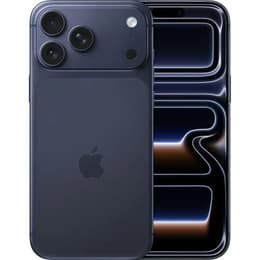
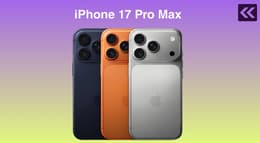
Galaxy S23 Ultra vs iPhone 17 Pro Max
- 1-year warranty
- Free standard shipping
- Free 30-day returns
Differences at a glance
The Samsung Galaxy S23 Ultra (2023) and the Apple iPhone 17 Pro Max (2025) represent high-tier large-screen smartphones designed for users seeking expansive displays and advanced processing capabilities. While both devices occupy the premium segment of their respective ecosystems, they differ significantly in their launch timelines, operating systems, and integrated hardware features. The Galaxy S23 Ultra runs on the Android platform with Samsung's custom interface, whereas the iPhone 17 Pro Max operates on iOS, providing distinct software environments and user experiences.
Available Models
Colour
Storage (GB)
Scores
Durability
Comparing the support timelines and build qualities of both devices reveals differences in their expected longevity and maintenance requirements over time.
- Release timeline and update support: The iPhone 17 Pro Max benefits from a newer release year, providing an extended window of official software updates and security patches compared to the Galaxy S23 Ultra.
- Repairability and durability: Both models feature durable glass and metal constructions paired with robust water resistance ratings, though component availability for repairs shifts as devices age.
- Practical lifespan: Users can expect several years of reliable daily operation from either model, with the newer Apple device maintaining peak software compatibility further into the future.
Release year
2023
2025
Compatible with latest Update
Yes
Yes
Operating system
Android
iOS
Foldable
No
No
Performance
Daily operation, multitasking efficiency, and sustained energy management vary between the two devices based on their internal hardware configurations.
- System responsiveness: Both smartphones handle demanding applications, complex multitasking, and high-intensity mobile gaming smoothly without noticeable stutter or slowdowns.
- Battery behavior: Each device provides sufficient power to last through a full day of typical mixed usage, utilizing intelligent background management to conserve energy during idle periods.
- Storage configurations: Both models offer ample internal storage tiers starting at generous capacities to accommodate large media libraries and heavy application files.
Screen quality
Visual immersion and outdoor legibility are key priorities for large-format smartphones, and both models utilize advanced display technologies.
- Display technology: Both devices feature vibrant OLED panels that deliver deep black levels, high contrast ratios, and vivid color reproduction for media consumption.
- Outdoor visibility: High peak brightness capabilities ensure that screen content remains clearly legible even under direct sunlight or bright ambient lighting conditions.
- Refresh rate smoothness: Both screens support adaptive high refresh rate technology, resulting in fluid scrolling animations and responsive touch interactions during everyday navigation.
Resolution
1440 x 3088
2868x1320
Screen type
Dynamic AMOLED 2X
Super Retina XDR
Audiovisual
Photography, video recording, and audio output capabilities differ slightly in hardware layout while delivering high-resolution results for everyday creators.
- Camera versatility: Both models feature multi-lens camera arrays including high-resolution main sensors and wide-angle options that capture sharp details in diverse lighting conditions.
- Video performance: Each device offers stable video recording features with high-resolution output and advanced stabilization modes for smooth motion capture.
- Media consumption: Built-in stereo speaker systems deliver clear audio output for calls, podcasts, and video playback without requiring external accessories.
Main camera
200 megapixels
48 megapixels
Front camera
12 megapixels
18 megapixels
Miscellaneous
Physical handling, connectivity standards, and daily convenience features shape how each smartphone integrates into everyday routines.
- Connectivity options: Both devices support fast 5G cellular networks, modern Wi-Fi standards, and Bluetooth for reliable accessory pairing and data transfers.
- Build and handling: Both models feature substantial physical footprints and balanced weight distributions that require two-handed use for comfortable navigation.
- Authentication and ports: The Galaxy S23 Ultra includes an integrated stylus for note-taking alongside facial recognition and an in-display fingerprint sensor, while the iPhone 17 Pro Max relies on advanced 3D facial mapping for security.
Weight
233 oz
233 oz
Screen size (in)
6.8
6.9
Network
5G
5G
SIM card
Physical SIM + eSIM
eSIM
Carrier compatibility
Unlocked
Unlocked
What the community thinks
Choosing between the Samsung Galaxy S23 Ultra and the iPhone 17 Pro Max largely depends on individual ecosystem preferences and specific workflow requirements. Users who prefer the customization options and integrated stylus functionality of the Android environment often favor the Galaxy S23 Ultra. Conversely, users embedded within the Apple ecosystem who prioritize long-term software support cycles and iOS continuity will find the iPhone 17 Pro Max well-suited to their needs.
Consumers looking to make a sustainable choice can explore quality-assured refurbished options for either model, which provide a reliable and eco-friendly alternative to purchasing newly manufactured hardware. Examining personal software habits and hardware priorities will ultimately guide the most practical decision for daily use.