
Galaxy S21+ 5G vs iPhone 16 Pro

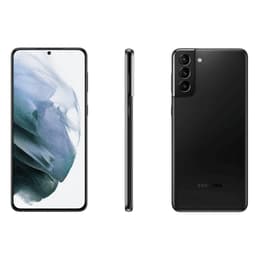
Galaxy S21+ 5G
Galaxy S21+ 5G
Starting at

Refurbished price:A$319.00

Versus A$1,747.00 new

See options
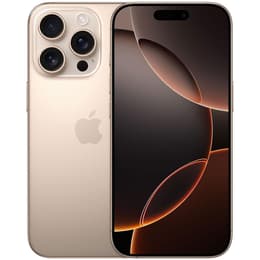
iPhone 16 Pro
iPhone 16 Pro
Starting at

Refurbished price:A$1,134.00

Versus A$1,999.00 new

See options

Ratings

The Samsung Galaxy S21 Plus 5G, released in January 2021, and the Apple iPhone 16 Pro, launched in September 2024, represent different generations of flagship smartphones. While both devices offer premium experiences, the iPhone 16 Pro benefits from several years of technological advancements, particularly in processing power, camera capabilities, and display technology. They operate on distinct ecosystems, with the Galaxy S21 Plus 5G running Android and the iPhone 16 Pro running iOS.

Scores

Durability

The practical lifespan of a smartphone is influenced by its release timeline, software support, and physical durability. The Galaxy S21 Plus 5G, released in January 2021, has received several major Android OS updates and continues to receive security patches, typically for up to five years from its launch. The iPhone 16 Pro, released in September 2024, benefits from Apple's longer software support cycle, generally receiving iOS updates for six to seven years.

  • Software Longevity: The iPhone 16 Pro offers a longer expected period of major operating system updates, extending its software relevance further into the future compared to the Galaxy S21 Plus 5G.
  • Physical Durability: Both devices feature IP68 ratings for dust and water resistance, indicating protection against immersion. The iPhone 16 Pro incorporates a titanium frame and Ceramic Shield front cover, which Apple claims offers enhanced toughness. The Galaxy S21 Plus 5G uses Gorilla Glass Victus on its front and back, paired with an aluminum frame.
  • Repairability: While specific repairability scores can vary, both devices are designed with modern smartphone construction, which often involves specialized tools and expertise for repairs. Users seeking to extend the life of their devices beyond their initial warranty period may consider quality-assured refurbished options for either model.

Release year

2021

2024

Compatible with latest Update

Yes

Yes

Foldable

No

No

Performance

Performance in smartphones is determined by the internal processing unit, memory, and software optimization, impacting how smoothly applications run and how efficiently tasks are handled. The Galaxy S21 Plus 5G is powered by a processor that was top-tier at its January 2021 release, enabling smooth navigation, efficient multitasking, and capable handling of demanding applications and games for its time. The iPhone 16 Pro, featuring a more recent generation processor (Apple A18 Pro), offers significantly enhanced capabilities due to advancements in chip architecture over several years.

  • Processing Power: The iPhone 16 Pro's current-generation processor delivers faster CPU and GPU speeds, resulting in quicker app loading times, more fluid transitions, and superior performance in graphically intensive games and complex computational tasks. The Galaxy S21 Plus 5G provides reliable performance for everyday use and most applications, though it may show its age when running the very latest, most demanding software.
  • Multitasking and Responsiveness: Both devices offer ample RAM (8GB for both) to support multiple applications running simultaneously. However, the iPhone 16 Pro's more efficient processor and tighter software-hardware integration contribute to a consistently responsive user experience, even under heavy load.
  • Battery Behavior: The Galaxy S21 Plus 5G is equipped with a 4800 mAh battery, which users generally reported as providing long-lasting power, often extending through a full day of heavy use. The iPhone 16 Pro also delivers strong battery performance, with users reporting it comfortably lasting a full day, benefiting from both a larger battery capacity compared to its predecessors and the efficiency of its advanced processor.

Memory (GB)

8 GB

8 GB

Screen quality

The display is a primary interface for smartphone interaction, with technology, resolution, and refresh rate significantly influencing the visual experience. The Galaxy S21 Plus 5G features a 6.7-inch Dynamic AMOLED 2X display with a resolution of 1080 x 2400 pixels, offering vibrant colors and deep blacks. It supports an adaptive refresh rate up to 120Hz, providing smooth scrolling and fluid animations. The iPhone 16 Pro comes with a slightly smaller 6.3-inch Super Retina XDR OLED display, but with a higher pixel density (460 ppi) and a resolution of 2622 x 1206 pixels.

  • Display Technology and Clarity: Both phones utilize OLED technology, known for excellent contrast and color reproduction. The iPhone 16 Pro's display offers a higher pixel density, resulting in slightly sharper text and images. The Galaxy S21 Plus 5G's larger screen size provides a more expansive viewing area.
  • Brightness and Outdoor Visibility: The Galaxy S21 Plus 5G can reach a peak brightness of 1300 nits, ensuring good visibility in various lighting conditions. The iPhone 16 Pro surpasses this with a typical maximum brightness of 1000 nits, a peak HDR brightness of 1600 nits, and an impressive 2000 nits peak brightness for outdoor use, making it exceptionally bright under direct sunlight.
  • Refresh Rate and Smoothness: Both devices feature adaptive 120Hz refresh rates, which dynamically adjust based on content to provide a smooth visual experience while conserving battery life. The iPhone 16 Pro's ProMotion technology can scale down to 1Hz for static content, further enhancing efficiency.

Resolution

1080 x 2400

1206 x 2622

Screen type

Dynamic AMOLED 2X

LTPO Super Retina XDR OLED

Audiovisual

Camera systems are a key differentiator for modern smartphones, with advancements in sensor technology, computational photography, and video capabilities continually evolving. The Galaxy S21 Plus 5G features a versatile triple-camera setup, including a 12MP wide, 12MP ultrawide, and a 64MP telephoto lens with 3x hybrid optical zoom. It was praised for its camera quality at the time of its release. The iPhone 16 Pro boasts a more advanced pro camera system, comprising a 48MP main sensor, a 48MP ultrawide lens, and a 12MP 5x telephoto lens with a tetraprism design for extended optical zoom.

  • Photography Performance: The iPhone 16 Pro's larger sensors and advanced computational photography capabilities generally result in superior detail, dynamic range, and low-light performance across all lenses. The Galaxy S21 Plus 5G still captures good quality photos in well-lit conditions, but its low-light performance and zoom capabilities are surpassed by the newer iPhone.
  • Video Recording Quality: The iPhone 16 Pro offers advanced video features, including 4K Dolby Vision recording at various frame rates and ProRes video recording, providing professional-grade video capture. The Galaxy S21 Plus 5G is capable of 8K video recording at 24fps and 4K at 30/60fps, which was impressive for its generation.
  • Audio and Media Consumption: Both phones provide a good media consumption experience with stereo speakers. The iPhone 16 Pro is noted for its loud and clear audio output. The Galaxy S21 Plus 5G also delivers a capable audio experience for calls and media.

Main camera

12 megapixels

48 megapixels

Front camera

10 megapixels

12 megapixels

Miscellaneous

Beyond core performance and display, various practical elements like connectivity, physical design, and additional features contribute to the overall user experience. The Galaxy S21 Plus 5G supports 5G connectivity, Wi-Fi 6, and Bluetooth 5.0. It features a USB Type-C port for charging and data transfer but lacks a 3.5mm headphone jack. The iPhone 16 Pro, being a newer device, incorporates more current standards, including 5G, Wi-Fi 7, and Bluetooth 5.3, along with a USB-C port.

  • Connectivity Standards: The iPhone 16 Pro's support for Wi-Fi 7 offers faster and more stable wireless connections compared to the Wi-Fi 6 on the Galaxy S21 Plus 5G. Both devices provide robust 5G capabilities for high-speed mobile data.
  • Physical Design and Handling: The Galaxy S21 Plus 5G measures 161.5 x 75.6 x 7.8 mm and weighs 200-202g, featuring a flat screen design. The iPhone 16 Pro is slightly more compact at 149.6 × 71.5 × 8.25 mm and weighs 199g, with thinner bezels contributing to a larger screen-to-body ratio for its size. Both devices offer a premium feel with glass and metal constructions.
  • Biometric Security and Other Features: The Galaxy S21 Plus 5G includes an in-display fingerprint sensor and face recognition. The iPhone 16 Pro relies on Face ID for secure facial recognition and authentication. The iPhone 16 Pro also introduces a customizable Action Button and a new Camera Control button for enhanced user interaction.

Weight

200 oz

199 oz

Screen size (in)

6.7

6.3

Network

5G

5G

SIM card

Physical SIM + eSIM

Physical SIM + eSIM

Carrier compatibility

Unlocked

Unlocked

The Samsung Galaxy S21 Plus 5G and the iPhone 16 Pro cater to users with different priorities and expectations, largely due to their release timelines. Users of the Galaxy S21 Plus 5G have praised its vibrant display, capable camera system for everyday photography, and reliable battery life. Its performance was considered excellent at launch, handling most tasks with ease. Some common criticisms included the absence of a charger or headphones in the box and occasional issues with face recognition.

The iPhone 16 Pro, as a more recent flagship, has garnered praise for its significantly upgraded camera system, exceptionally bright and sharp display, and robust overall performance driven by its advanced processor. Users appreciate its extended battery life and the seamless integration within the Apple ecosystem. While generally well-received, some users have noted the display's susceptibility to hairline scratches without protection.

Users prioritizing a larger Android experience with a still-capable camera and strong battery life may find the Galaxy S21 Plus 5G suitable, especially if they value its established ecosystem. Conversely, users seeking the latest technological advancements in processing power, camera capabilities, and display brightness, coupled with a longer software support window and the iOS ecosystem, will likely find the iPhone 16 Pro to be a more aligned choice. For those looking for an eco-friendly alternative, both models are available as quality-assured refurbished options, offering a sustainable choice for acquiring premium technology.


See all articles

Our recent comparisons