
Galaxy S21 5G vs Motorola Razr 40

Galaxy S21 5G
Galaxy S21 5G
Starting at

Refurbished price:A$318.00

Versus A$1,369.00 new

See options
Motorola Razr 40
Motorola Razr 40
See options

Ratings

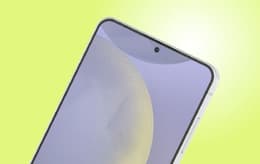
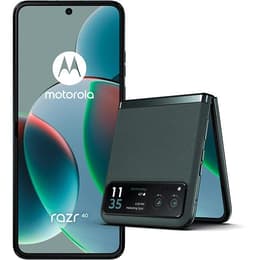
The Samsung Galaxy S21 5G, released in January 2021, is a traditional slab-style smartphone, offering a familiar and robust user experience. In contrast, the Motorola Razr 40, launched in June 2023, introduces a foldable clamshell design, prioritizing portability and a distinct aesthetic. These devices cater to different user preferences, primarily distinguished by their form factor, release timelines, and the inherent trade-offs associated with their designs.

Scores

Durability

The longevity of a smartphone is influenced by its physical resilience, software support, and ease of repair. The Galaxy S21 5G and Motorola Razr 40 present different profiles in these areas.

  • Software Support: The Galaxy S21 5G, initially running Android 11, received its final major OS update to Android 15 in April 2025, with security patches concluding in early 2026. The newer Motorola Razr 40, launched with Android 13, is expected to receive three major OS updates, bringing it up to Android 16, and four years of security updates, extending support until 2027.
  • Physical Durability: The Galaxy S21 5G features a Gorilla Glass Victus front, a plastic back, and an aluminum frame, offering IP68 dust and water resistance, meaning it can withstand submersion. The Motorola Razr 40, with its folding screen, has a plastic front (the main display), a glass back (Gorilla Glass Victus for the cover display), an aluminum frame, and a vegan leather finish. It offers IP52 splash resistance, protecting against light splashes but not full submersion.
  • Repairability: The Galaxy S21 5G generally has a higher repairability score, often rated around 7.5 out of 10, due to its more modular internal design and easier disassembly. The Motorola Razr 40, owing to its complex folding mechanism and use of strong adhesives, has a lower repairability score, typically around 4 out of 10, making repairs more challenging.

Release year

2021

2023

Compatible with latest Update

Yes

Yes

Operating system

Android

Android

Foldable

No

Yes

Performance

Evaluating performance involves looking at how smoothly devices handle daily tasks, demanding applications, and multitasking. Both the Galaxy S21 5G and Motorola Razr 40 offer capable performance, though they stem from different generations of hardware.

  • Processing Power: The Galaxy S21 5G is equipped with a flagship-tier processor from 2021, which delivered robust performance for its time, handling intensive applications and gaming with ease. The Motorola Razr 40 features a mid-range processor from 2023, which provides smooth operation for everyday use, navigation, and moderate gaming, benefiting from newer architectural efficiencies.
  • Multitasking and Storage: The Galaxy S21 5G typically comes with 8GB of RAM, while the Motorola Razr 40 offers configurations with 8GB or 12GB of RAM, potentially providing a slight edge in managing numerous open applications simultaneously. Both devices offer internal storage options of 128GB or 256GB, but neither supports expandable storage via a microSD card.
  • Real-world Responsiveness: Users generally report that the Galaxy S21 5G provides a consistently fast and responsive experience for most tasks. The Motorola Razr 40 also offers a fluid user experience for general smartphone activities, with its newer processor ensuring efficient handling of modern apps.

Memory (GB)

8 GB

8 GB

Screen quality

The display is a primary interaction point, and both devices offer high-quality viewing experiences, albeit with distinct characteristics due to their form factors.

  • Main Display Technology: The Galaxy S21 5G features a 6.2-inch Dynamic AMOLED 2X flat display, known for its deep blacks, vibrant colors, and excellent contrast. The Motorola Razr 40 boasts a larger 6.9-inch Foldable LTPO AMOLED main display, which also delivers rich colors and high contrast, with the added benefit of folding for compactness.
  • Resolution and Refresh Rate: Both phones offer Full HD+ resolutions, providing sharp and clear visuals for typical viewing distances. The Galaxy S21 5G has an adaptive 120Hz refresh rate for smooth scrolling and responsiveness. The Motorola Razr 40 surpasses this with a 144Hz refresh rate on its main display, offering an even smoother visual experience.
  • Brightness and Cover Screen: Both displays achieve high peak brightness levels, ensuring good visibility even in bright outdoor conditions. The Motorola Razr 40 uniquely includes a 1.5-inch AMOLED cover display, which allows users to view notifications and quick information without unfolding the device. The folding screen of the Razr 40 may exhibit a subtle crease, which is generally less noticeable during use but can be visible under certain lighting.

Resolution

1080 x 2400

1080 x 2640

Screen type

Dynamic AMOLED 2X

Foldable LTPO AMOLED

Audiovisual

Camera capabilities are a significant factor for many users, and both the Galaxy S21 5G and Motorola Razr 40 offer versatile systems for capturing photos and videos.

  • Rear Camera Systems: The Galaxy S21 5G features a triple-camera setup, including a 12 MP main sensor with optical image stabilization (OIS), a 64 MP telephoto lens offering 3x hybrid zoom with OIS, and a 12 MP ultrawide lens. This configuration provides flexibility for various shooting scenarios. The Motorola Razr 40 has a dual-camera system, comprising a 64 MP main sensor with OIS and a 13 MP ultrawide lens that also functions for macro photography.
  • Photography Performance: The Galaxy S21 5G is known for its consistent and high-quality photography across different lenses, performing well in various lighting conditions. User feedback for the Motorola Razr 40 indicates good performance for everyday photos, though it may not match the low-light capabilities or overall detail of some flagship devices.
  • Video and Front Camera: The Galaxy S21 5G supports video recording up to 8K resolution at 24 frames per second, and features a 10 MP front-facing camera. The Motorola Razr 40 records video up to 4K at 30 frames per second and includes a higher-resolution 32 MP front camera, though its front camera has a fixed focus.

Main camera

12 megapixels

64 megapixels

Front camera

10 megapixels

32 megapixels

Miscellaneous

Beyond core features, several practical elements contribute to the overall user experience and differentiate these two smartphones.

  • Connectivity and Ports: Both devices support 5G connectivity for fast mobile data. The Galaxy S21 5G includes Wi-Fi 6 and Bluetooth 5.0 or 5.2. The Motorola Razr 40 offers newer standards with Wi-Fi 6E and Bluetooth 5.3, potentially providing faster and more stable wireless connections. Both phones utilize a USB-C port for charging and data transfer and lack a traditional 3.5mm headphone jack.
  • Biometric Security: The Galaxy S21 5G features an ultrasonic fingerprint sensor integrated beneath the display for convenient unlocking. The Motorola Razr 40 employs a side-mounted fingerprint sensor, typically integrated into the power button.
  • Design and Handling: The Galaxy S21 5G is a compact and relatively lightweight slab phone, measuring 151.7 x 71.2 x 7.9 mm and weighing 169g, making it comfortable for one-handed use. The Motorola Razr 40, while larger when unfolded (170.8 x 74 x 7.4 mm), folds down to a much smaller form factor (88.2 x 74 x 15.8 mm), enhancing portability. It weighs 188.6g. The Razr 40's vegan leather finish offers a distinct tactile experience compared to the S21's plastic back.

Weight

169 oz

189 oz

Screen size (in)

6.2

6,9

Network

5G

5G

SIM card

Physical SIM + eSIM

Dual Physical SIM + eSIM

Carrier compatibility

Unlocked

Unlocked

The Samsung Galaxy S21 5G and Motorola Razr 40 cater to different priorities, reflecting their distinct designs and release timelines. Users often praise the Galaxy S21 5G for its reliable performance, versatile camera system, and vibrant display, making it a solid choice for a traditional smartphone experience. Some common criticisms include the absence of a microSD card slot and, for some users, inconsistent battery life under heavy usage.

The Motorola Razr 40 is frequently lauded for its unique, compact folding design, which enhances portability, and its smooth main display. However, it has faced some criticism regarding its lower repairability score, the relatively small cover display compared to other foldables, and a camera system that, while capable, may not compete with top-tier flagships in all conditions.

Users prioritizing a robust, traditional smartphone with a highly capable and versatile camera, strong water resistance, and a proven track record of performance may find the Galaxy S21 5G well-suited to their needs. Conversely, individuals seeking a compact, stylish device with a unique folding form factor, a high refresh rate main display, and enhanced portability will likely lean towards the Motorola Razr 40. Both devices offer a compelling Android experience, and considering a quality-assured refurbished option for either model can be an eco-friendly alternative for making an informed choice.

See all articles

Our recent comparisons