
Galaxy A15 5G vs Motorola Razr 40

Galaxy A15 5G
Galaxy A15 5G
Starting at

Refurbished price:A$257.00

Versus A$329.00 new

See options
Motorola Razr 40
Motorola Razr 40
See options

Ratings

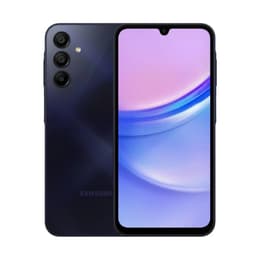
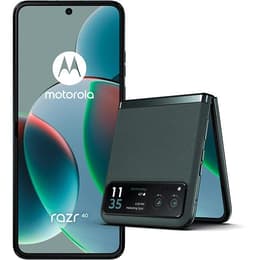
The Samsung Galaxy A15 5G (released December 2023) and the Motorola Razr 40 (released June 2023) are distinct smartphones catering to different user preferences. While the Galaxy A15 5G offers a traditional smartphone experience with a focus on core functionalities, the Razr 40 stands out with its unique foldable design, offering enhanced portability and a different interaction style. Both devices operate on the Android platform, providing access to a wide ecosystem of applications and services.

Scores

Durability

When considering the long-term usability of these devices, their release timelines and software support policies are key factors.

  • Software Updates: The Samsung Galaxy A15 5G launched with Android 14 and is slated to receive four major OS upgrades and five years of security updates, extending its software support until approximately 2029. In contrast, the Motorola Razr 40, which launched with Android 13, is expected to receive three major Android OS upgrades and four years of bi-monthly security updates, with support likely extending until Android 16 around June 2027.
  • Physical Durability: The Galaxy A15 5G features a conventional slab design with a plastic frame and back, and its display is protected by AGC Dragontrail Glass. The Razr 40, as a foldable, incorporates an aluminum frame and a vegan leather finish, with its external cover screen protected by Corning Gorilla Glass Victus. While the folding mechanism of the Razr 40 has shown resilience in some long-term user reports, its overall repairability has been noted as challenging due to complex internal components and strong adhesives. The Galaxy A15 5G, with its more traditional construction, appears to offer a more straightforward repair process for common issues like screen or flex cable replacements.
  • Practical Lifespan: Users prioritizing extended software longevity will find the Galaxy A15 5G's update policy more appealing. For those who value a compact form factor and are comfortable with the inherent complexities of foldable technology, the Razr 40 offers a unique experience, though its physical durability and repair challenges should be considered for its practical lifespan.

Release year

2023

2023

Operating system

Android

Android

Foldable

No

Yes

Performance

The performance of a smartphone is crucial for daily tasks, from app navigation to demanding applications.

  • Processing Power: The Samsung Galaxy A15 5G is equipped with a processor that handles everyday applications and multitasking smoothly, suitable for general use and moderate gaming. The Motorola Razr 40 features a more capable processor, providing a more responsive experience for intensive gaming, advanced applications, and seamless multitasking.
  • Storage and Multitasking: The Galaxy A15 5G offers storage options of 128GB or 256GB, expandable via microSD, and comes with 4GB, 6GB, or 8GB of RAM. This configuration is sufficient for storing a good amount of data and running multiple apps concurrently. The Razr 40 provides 128GB or 256GB of storage and comes with 8GB or 12GB of RAM, which contributes to its ability to manage numerous applications and demanding tasks with greater efficiency.
  • Battery Behavior: The Galaxy A15 5G houses a 5000 mAh battery, supporting 25W fast charging, which typically provides ample power for a full day of heavy use. The Razr 40 has a 4200 mAh battery with 30W wired and 5W wireless charging. While its capacity is smaller, user reports suggest it can still last through a full day for many users, especially with its efficient processor and the ability to use the smaller cover screen for quick interactions.

Memory (GB)

8 GB

8 GB

Screen quality

The display is a primary interface for any smartphone, and these two devices offer different visual experiences.

  • Display Technology and Size: The Samsung Galaxy A15 5G features a 6.5-inch Super AMOLED display, known for its deep blacks and vibrant colors. The Motorola Razr 40 boasts a larger 6.9-inch foldable LTPO AMOLED main display, which offers similar vibrant colors and contrast, along with the unique ability to fold in half. Additionally, the Razr 40 includes a 1.5-inch external cover screen for quick notifications and interactions when folded.
  • Resolution and Refresh Rate: Both devices offer Full HD+ resolution, providing clear and sharp visuals for everyday content. The Galaxy A15 5G has a 90Hz refresh rate, contributing to smoother scrolling and a more fluid user interface. The Razr 40 surpasses this with a 144Hz refresh rate on its main display, offering an even more fluid and responsive visual experience, particularly noticeable in fast-paced content and gaming.
  • Brightness and Viewing Experience: The Galaxy A15 5G's display reaches 800 nits in High Brightness Mode (HBM), ensuring good visibility in various lighting conditions. The Razr 40's main display can achieve a peak brightness of 1400 nits, providing excellent outdoor visibility. The foldable nature of the Razr 40 allows for a compact form factor when closed, while offering a large screen when unfolded, which can enhance media consumption and multitasking.

Resolution

1080x2340

1080 x 2640

Audiovisual

Camera capabilities are a significant consideration for many users, and both phones offer different photographic strengths.

  • Rear Camera Systems: The Samsung Galaxy A15 5G features a triple-camera setup with a 50 MP main sensor, a 5 MP ultrawide lens, and a 2 MP macro lens. This configuration is suitable for capturing a variety of shots in good lighting. The Motorola Razr 40 comes with a dual-camera system on the rear, comprising a 64 MP main sensor with optical image stabilization (OIS) and a 13 MP ultrawide lens that also functions for macro shots. The Razr 40's main camera, with its higher megapixel count and OIS, generally offers more detailed images and better low-light performance.
  • Front Camera and Video: For selfies, the Galaxy A15 5G has a 13 MP front camera. The Razr 40 features a higher-resolution 32 MP front camera, which uses pixel binning to produce 8 MP images with good detail. Both devices can record video at 1080p@30fps from their main and front cameras. The Razr 40 also supports 4K video recording at 30fps from both its rear and front cameras, offering more flexibility for higher-quality video content.
  • Audio Experience: The Galaxy A15 5G includes a loudspeaker, providing a mono audio experience. The Razr 40 offers a more immersive audio experience with its stereo speakers.

Miscellaneous

Beyond the core features, several other elements contribute to the overall user experience and practicality of these smartphones.

  • Connectivity and Ports: Both devices support 5G connectivity, ensuring access to faster mobile networks. The Galaxy A15 5G supports Wi-Fi 5 (802.11ac) and Bluetooth 5.3, while the Razr 40 features the newer Wi-Fi 6 (802.11ax) and Bluetooth 5.2. Both include NFC for contactless payments and a USB-C 2.0 port for charging and data transfer. A notable difference is the presence of a 3.5mm headphone jack on the Galaxy A15 5G, which is absent on the Razr 40.
  • Biometric Security and Build: The Galaxy A15 5G features a side-mounted fingerprint sensor integrated into the power button. The Razr 40 also uses a side-mounted fingerprint sensor and supports face unlock. In terms of build, the Galaxy A15 5G has a plastic construction with a distinctive 'Key Island' design. The Razr 40 features an aluminum frame and a vegan leather finish, providing a more premium feel, and has a water-repellent coating with an IP52 rating for splash resistance.
  • Form Factor and Handling: The Galaxy A15 5G is a traditional slab phone, measuring 160.1 x 76.8 x 8.4 mm and weighing 200g. The Razr 40's foldable design makes it significantly more compact when closed (88.2 x 74 x 15.8 mm) and slim when unfolded (170.8 x 74 x 7.4 mm), weighing 188.6g. This makes the Razr 40 highly portable and pocketable when folded, while offering a large screen when needed.

Weight

200 oz

189 oz

Screen size (in)

6.5

6,9

Network

5G

5G

SIM card

Physical SIM

Dual Physical SIM + eSIM

Carrier compatibility

Unlocked

Unlocked

The Samsung Galaxy A15 5G and the Motorola Razr 40 cater to different segments of the smartphone market, each with its own set of strengths and considerations.

Users often praise the Galaxy A15 5G for its reliable battery life, vibrant Super AMOLED display, and Samsung's commitment to software updates, which ensures a longer period of support. Its inclusion of a 3.5mm headphone jack is also a frequent positive for those who prefer wired audio. Some common criticisms might revolve around its plastic build and the performance, which, while capable for daily tasks, may not satisfy users seeking high-end gaming or demanding application performance.

The Motorola Razr 40 is frequently lauded for its innovative foldable design, offering exceptional portability when closed and a large, high-refresh-rate display when unfolded. Its premium materials and the ability to use the main camera for selfies via the cover screen are also popular features. However, users sometimes express concerns about the durability of foldable screens over time, the phone's repairability, and its battery life compared to traditional slab phones, though many find it sufficient for a full day.

Users prioritizing a long-lasting software experience, a traditional form factor, and a headphone jack may prefer the Samsung Galaxy A15 5G. It offers a solid, dependable smartphone experience for everyday use. Conversely, users who value a compact, stylish design, a high-refresh-rate foldable display, and are keen on the unique interaction possibilities of a flip phone may lean toward the Motorola Razr 40. Both devices are available as quality-assured refurbished options, providing an eco-friendly alternative for consumers looking to make sustainable choices.


See all articles

Our recent comparisons