
Compare models
Galaxy S21 5G vs iPhone 16 Pro Max
- 1-year warranty
- Free standard shipping
- Free 30-day returns
Differences at a glance
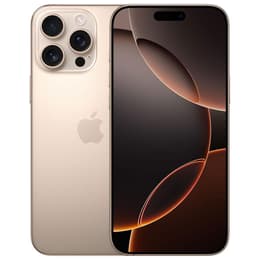
The Samsung Galaxy S21 5G, released in January 2021, and the Apple iPhone 16 Pro Max, launched in September 2024, represent different generations and ecosystems within the smartphone market. While the Galaxy S21 5G operates on the Android platform, the iPhone 16 Pro Max runs on iOS, offering distinct user experiences. The primary differentiators between these two devices lie in their release timelines, operating systems, and the advancements in technology over a few years.
Available Models
Colour
Storage (GB)
Scores
Durability
The practical lifespan of a smartphone is significantly influenced by its release date and the manufacturer's software support policy.
- Release Timeline: The Galaxy S21 5G was introduced in January 2021, making it an older device compared to the iPhone 16 Pro Max, which debuted in September 2024. This age difference inherently impacts their remaining support cycles.
- OS Support Duration: Samsung typically provides around four to five years of major Android OS updates and five years of security updates for its flagship devices. The Galaxy S21 5G, having launched with Android 11, has received several updates and is nearing the end of its major OS update cycle. In contrast, Apple is known for its extended software support, with iPhones generally receiving 5-7 years of major iOS updates and additional security patches. The iPhone 16 Pro Max, launching with iOS 18, is expected to receive updates until approximately 2036, offering a considerably longer period of software longevity.
- Repairability and Build: Both devices feature premium builds with glass and aluminum frames, though the iPhone 16 Pro Max incorporates a titanium frame and Ceramic Shield front cover for enhanced durability. The Galaxy S21 5G uses Gorilla Glass Victus for its display protection. Both are rated IP68 for dust and water resistance.
Release year
2021
2024
Compatible with latest Update
Yes
Yes
Foldable
No
No
Performance
Performance is a key area where newer devices often show significant advancements, impacting daily usage from app responsiveness to demanding tasks.
- Processor Capabilities: The Galaxy S21 5G is powered by a flagship processor from its release year, capable of handling everyday applications and multitasking smoothly. The iPhone 16 Pro Max, featuring Apple's latest A18 Pro chip, offers a substantial leap in processing power. This translates to faster app loading, more fluid multitasking, and superior performance in graphically intensive games and professional applications.
- Battery Behavior: The Galaxy S21 5G is equipped with a 4000 mAh battery, providing a full day of moderate use for many users. The iPhone 16 Pro Max, with a 4685 mAh battery and highly optimized software and hardware, delivers exceptional battery life, often lasting significantly longer even under heavy usage. It is rated for up to 33 hours of video playback.
- Storage and Responsiveness: Both devices offer ample internal storage options, with the Galaxy S21 5G available in 128GB and 256GB configurations, and the iPhone 16 Pro Max starting at 256GB and going up to 1TB. The iPhone 16 Pro Max's newer processor and optimized operating system contribute to an overall more responsive and fluid user experience across the system.
Screen quality
The display is a primary interface for smartphone interaction, and both devices offer high-quality viewing experiences with notable differences.
- Display Technology and Clarity: The Galaxy S21 5G features a 6.2-inch Dynamic AMOLED 2X display with a 2400 x 1080 pixel resolution, providing vibrant colors and deep blacks. The iPhone 16 Pro Max boasts a larger 6.9-inch Super Retina XDR OLED display with a higher resolution of 2868 x 1320 pixels, resulting in a slightly sharper image and more expansive viewing area.
- Brightness and Refresh Rate: Both phones offer adaptive refresh rates up to 120Hz for smooth scrolling and animations. The Galaxy S21 5G can reach a peak brightness of 1300 nits. The iPhone 16 Pro Max features higher peak brightness levels, reaching up to 2000 nits for HDR content and an impressive 3000 nits for outdoor viewing, enhancing visibility in bright conditions.
- Additional Display Features: The iPhone 16 Pro Max includes Apple's Dynamic Island and an Always-On display, offering dynamic notifications and information at a glance. Both displays support HDR content for an enhanced media consumption experience.
Resolution
1080 x 2400
1320 x 2868
Screen type
Dynamic AMOLED 2X
LTPO Super Retina XDR OLED
Audiovisual
Camera capabilities are a significant factor for many users, and both devices offer advanced systems for capturing photos and videos.
- Rear Camera System: The Galaxy S21 5G features a versatile triple-camera setup with a 12MP wide, 12MP ultrawide, and a 64MP telephoto lens with 3x hybrid zoom. The iPhone 16 Pro Max comes with a more advanced Pro camera system, including a 48MP main camera, a 48MP ultrawide camera with autofocus, and a 12MP telephoto lens offering 5x optical zoom.
- Photography Performance: While the Galaxy S21 5G delivered excellent photos for its time, particularly with its telephoto capabilities, the iPhone 16 Pro Max benefits from newer, larger sensors and advanced computational photography. This results in improved detail, dynamic range, and low-light performance, especially with its 48MP ultrawide lens.
- Video Recording and Audio: Both phones are capable of high-quality video recording, with the Galaxy S21 5G supporting 8K video. The iPhone 16 Pro Max excels in video, offering 4K Dolby Vision video recording at up to 120 frames per second, along with features like spatial video capture and studio-quality microphones for superior audio.
Main camera
12 megapixels
48 megapixels
Front camera
10 megapixels
12 megapixels
Miscellaneous
Beyond core features, several practical elements contribute to the overall user experience and device utility.
- Connectivity Options: Both devices support 5G connectivity for fast mobile data. The Galaxy S21 5G includes Wi-Fi 6 and Bluetooth 5.0. The iPhone 16 Pro Max features newer standards like Wi-Fi 7 and Bluetooth 5.3, offering potentially faster and more stable wireless connections.
- Physical Design and Handling: The Galaxy S21 5G is a more compact device, measuring 151.7 x 71.2 x 7.9 mm and weighing 169g, making it easier for one-handed use. The iPhone 16 Pro Max is a larger and heavier device at 163 x 77.6 x 8.25 mm and 227g, which can be a consideration for users preferring a smaller form factor.
- Security and Ports: The Galaxy S21 5G utilizes an in-display ultrasonic fingerprint sensor for biometric authentication. The iPhone 16 Pro Max relies on Face ID for secure facial recognition. Both devices feature a USB-C port for charging and data transfer, with the iPhone 16 Pro Max adopting it after previous generations used Lightning. The iPhone 16 Pro Max also includes a customizable Action Button.
Weight
169 oz
227 oz
Screen size (in)
6.2
6.9
Network
5G
5G
SIM card
Physical SIM + eSIM
Physical SIM + eSIM
Carrier compatibility
Unlocked
Unlocked
What the community thinks
User feedback for the Samsung Galaxy S21 5G, while generally positive for its time, sometimes noted camera performance as a point of comparison against competitors, though many found its overall package compelling. The iPhone 16 Pro Max has garnered praise for its exceptional display quality, smooth performance, and robust build. Its battery life is frequently highlighted as a significant strength, often exceeding expectations in various tests. However, some users have expressed that the camera, while capable, might not always feel like a revolutionary leap, and the device's large size can be a drawback for those seeking a more compact phone.
Users prioritizing the latest technological advancements, extended software support, and top-tier performance for demanding tasks like high-end gaming or professional video editing will find the iPhone 16 Pro Max well-suited to their needs. Its superior battery life and advanced camera system also cater to those who require a device that can last all day and capture high-quality media. Conversely, individuals who prefer the Android ecosystem, a slightly more compact design, or are looking for a quality-assured refurbished option that still delivers solid performance for everyday use may lean towards the Galaxy S21 5G. This device remains a capable smartphone for general productivity, social media, and media consumption, especially for those who appreciate its established feature set.