
Galaxy S20 FE vs iPhone 14 Pro Max

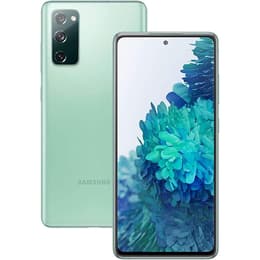
Galaxy S20 FE
Galaxy S20 FE
Starting at

Refurbished price:A$268.29

Versus A$578.00 new

See options
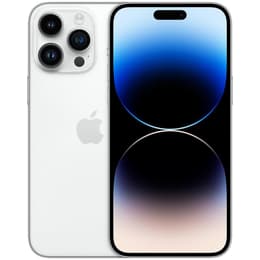
iPhone 14 Pro Max
iPhone 14 Pro Max
Starting at

Refurbished price:A$726.00

Versus A$1,899.00 new

See options

Ratings

The Samsung Galaxy S20 FE, released in October 2020, and the Apple iPhone 14 Pro Max, launched in September 2022, represent distinct approaches to smartphone design and functionality. While the Galaxy S20 FE operates on the Android platform, offering a customizable experience, the iPhone 14 Pro Max runs on Apple's iOS, known for its integrated ecosystem. The primary differentiators lie in their release timelines, operating systems, and their respective focuses on delivering either a feature-rich experience at a certain price point or a premium, cutting-edge mobile technology.

Scores

Durability

The longevity and support for these devices vary significantly due to their different release dates and manufacturer policies.

  • Release Timeline: The Galaxy S20 FE was released in October 2020, making it an older device compared to the iPhone 14 Pro Max, which launched in September 2022. This two-year difference impacts their remaining software support and expected practical lifespan.
  • Software Support: The Galaxy S20 FE received three major Android operating system updates and five years of security patches, with official software support concluding around October 2025. In contrast, the iPhone 14 Pro Max is anticipated to receive major iOS updates for approximately five to seven years from its release, potentially extending support until 2029. This means the iPhone 14 Pro Max offers a considerably longer period of guaranteed software updates and security patches.
  • Repairability and Materials: The Galaxy S20 FE features a plastic back and an aluminum frame, contributing to a moderate repairability score of 7.5 out of 10, indicating that some repairs can be undertaken with effort. The iPhone 14 Pro Max, with its Ceramic Shield front, textured matte glass back, and stainless steel frame, initially received a repairability score of 6 out of 10. However, subsequent assessments noted challenges in independent repairs due to Apple's software authorization requirements for certain parts, making it less straightforward for non-official repairs. Both devices carry an IP68 rating for dust and water resistance, offering similar protection against environmental elements.

Release year

2020

2022

Compatible with latest Update

No

Yes

Operating system

Android

iOS

Foldable

No

No

Performance

Performance capabilities differ between these two devices, reflecting their respective release generations and underlying architectures.

  • Processing Power: The Galaxy S20 FE, powered by a processor from its generation, handles everyday applications and multitasking smoothly, providing a responsive experience for general use and gaming from its era. The iPhone 14 Pro Max, featuring a more recent generation processor, delivers very high performance, ensuring demanding applications, intensive gaming, and complex multitasking run with exceptional fluidity and efficiency.
  • Memory and Storage: The Galaxy S20 FE typically comes with 6GB or 8GB of RAM and offers various internal storage options, alongside the flexibility of expandable storage via a microSD card. The iPhone 14 Pro Max is equipped with 6GB of RAM and provides a range of internal storage configurations, though it does not support expandable storage.
  • Battery Performance: The Galaxy S20 FE includes a 4500 mAh battery, which generally provides sufficient power for a full day of typical usage for many users. The iPhone 14 Pro Max, with a 4323 mAh battery, is recognized for its excellent battery life, often lasting a full day or more even with heavy use, partly due to the efficiency of its internal components.

Memory (GB)

6 GB

6 GB

Screen quality

The visual experience offered by these two smartphones presents notable distinctions in display technology and features.

  • Display Technology and Size: The Galaxy S20 FE features a 6.5-inch Super AMOLED display, known for its vibrant colors and deep contrast. The iPhone 14 Pro Max boasts a slightly larger 6.7-inch Super Retina XDR OLED display, which also delivers deep blacks and rich colors, providing an expansive viewing area.
  • Resolution and Clarity: The Galaxy S20 FE offers a Full HD+ resolution of 1080x2400 pixels. The iPhone 14 Pro Max provides a higher resolution of 1290x2796 pixels, resulting in a sharper and more detailed visual output.
  • Refresh Rate and Brightness: Both devices feature a 120Hz refresh rate, contributing to smoother scrolling and more fluid animations. The iPhone 14 Pro Max further enhances this with ProMotion technology, offering an adaptive refresh rate that can scale from 1Hz to 120Hz, optimizing battery life. It also includes an Always-On Display feature and achieves higher peak brightness levels, which improves visibility in bright outdoor conditions.

Resolution

1080 x 2400

1290 x 2796

Screen type

Super AMOLED

LTPO Super Retina XDR OLED

Audiovisual

The camera systems on the Galaxy S20 FE and iPhone 14 Pro Max offer different capabilities and user experiences.

  • Rear Camera System: The Galaxy S20 FE is equipped with a versatile triple-camera setup, including a 12MP wide lens, a 12MP ultrawide lens, and an 8MP telephoto lens with 3x optical zoom, suitable for a range of photography scenarios. The iPhone 14 Pro Max features a more advanced triple-camera system, comprising a 48MP main sensor, a 12MP ultrawide lens, and a 12MP telephoto lens with 3x optical zoom, complemented by a LiDAR scanner for improved depth sensing.
  • Photography Performance: In everyday lighting, both devices capture detailed images. However, the iPhone 14 Pro Max excels in low-light conditions due to its larger main sensor and advanced image processing, producing brighter and more detailed night shots. The Galaxy S20 FE includes a night mode, but its low-light zoom performance may not match the iPhone's capabilities.
  • Video Recording and Audio: The Galaxy S20 FE supports video recording up to 4K at 60 frames per second. The iPhone 14 Pro Max offers cinematic video recording, advanced stabilization with Action mode, and records in 4K at 60 frames per second, providing professional-grade video capabilities. Both phones feature stereo speakers for media consumption, and the iPhone 14 Pro Max includes three microphones for enhanced audio capture.
  • Front Camera: The Galaxy S20 FE has a 32MP front-facing camera with fixed focus. The iPhone 14 Pro Max features a 12MP front camera with autofocus, which can result in sharper selfies and improved video calls.

Main camera

12 megapixels

48 megapixels

Front camera

32 megapixels

12 megapixels

Miscellaneous

Beyond core features, several practical elements distinguish the user experience between these two devices.

  • Connectivity: Both the Galaxy S20 FE (specifically the 5G variant) and the iPhone 14 Pro Max support 5G cellular networks, along with various Wi-Fi standards and Bluetooth for wireless connections. The iPhone 14 Pro Max also introduced emergency satellite connectivity, offering an additional layer of safety in remote areas.
  • Ports and Biometrics: The Galaxy S20 FE utilizes a USB-C port for charging and data transfer, while the iPhone 14 Pro Max uses Apple's proprietary Lightning port. Neither device includes a traditional 3.5mm headphone jack. For security, the Galaxy S20 FE features an in-display optical fingerprint sensor, whereas the iPhone 14 Pro Max relies on Face ID for secure facial recognition.
  • Physical Characteristics: The Galaxy S20 FE weighs approximately 190 grams and measures 159.8 x 74.5 x 8.4 mm. The iPhone 14 Pro Max is a heavier device at 240 grams and has dimensions of 160.7 x 77.6 x 7.85 mm, making it slightly larger and noticeably heavier, which can impact one-handed use and pocketability. The build materials also differ, with the S20 FE featuring a plastic back and aluminum frame, while the iPhone 14 Pro Max uses a more premium combination of Ceramic Shield glass on the front, textured matte glass on the back, and a stainless steel frame.

Weight

190 oz

120 oz

Screen size (in)

6.5

6.7

SIM card

Physical SIM

Physical SIM + eSIM

Carrier compatibility

Unlocked

Unlocked

User feedback for the Galaxy S20 FE often highlights its balanced performance and feature set for its original market positioning. Many users praised its vibrant display, capable camera system, and generally reliable battery life, considering it a strong option for everyday use and mobile gaming at the time of its release. Common criticisms included its plastic back, which some felt detracted from a premium feel, and the eventual cessation of major software updates, which impacts its long-term usability.

The iPhone 14 Pro Max, on the other hand, consistently receives acclaim for its exceptional processing power, extended battery endurance, and highly capable camera system, particularly for video recording. Its bright display and the innovative Dynamic Island feature were also frequently lauded. Some users noted its considerable weight and size as a potential drawback, and while its design is refined, it largely maintained a familiar aesthetic from previous generations. Concerns were also raised regarding the complexities of independent repairs due to software authentication requirements for parts.

Users prioritizing a robust Android experience with expandable storage and a slightly lighter device might find the Galaxy S20 FE well-suited to their needs, especially if they value a device that offered a strong feature set at its launch. Conversely, users seeking top-tier performance, advanced camera capabilities, particularly for video, and a longer period of software support within the Apple ecosystem will likely gravitate towards the iPhone 14 Pro Max. Both devices offer distinct advantages depending on individual priorities. For those considering either model, exploring a quality-assured refurbished option can provide an eco-friendly alternative.
See all articles

Our recent comparisons