
Compare models

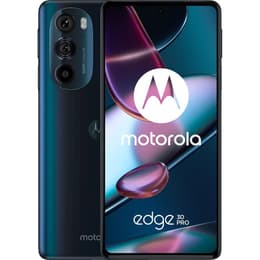
Galaxy A56 vs Motorola Edge 30 Pro

  • 1-year warranty
  • Free standard shipping
  • Free 30-day returns
Galaxy A56
Starting at

Refurbished price:A$390.00

Versus A$699.00 new

See options

Differences at a glance

The Samsung Galaxy A56 (2025) and the Motorola Edge 30 Pro (2022) represent two different approaches to mid-range and upper-tier smartphone design. While they occupy distinct generations, both devices offer capabilities that cater to everyday mobile users looking for dependable performance. The primary differentiators between these two models center on their software support timelines, processing capabilities, and display technologies. Operating on Android platforms with distinct manufacturer interfaces, each device delivers a unique user experience tailored to different functional priorities.

Available Models

Colour

Storage

Scores

Durability

When evaluating the lifespan and software support of these two devices, release timelines and update policies play a major role in determining long-term viability.

  • Software longevity and update support: The Galaxy A56 benefits from an extended software support window spanning multiple years of major operating system upgrades, whereas the Motorola Edge 30 Pro, having launched earlier, is further along in its official update cycle.
  • Repairability and build maintenance: Both models feature modern glass and frame constructions that require professional handling for internal component repairs, though standard replacement parts remain accessible through repair networks.
  • Expected practical lifespan: Users can anticipate solid multi-year functionality from both devices, with the newer release offering extended security readiness for long-term daily operation.

Release year

2025

2022

Operating system

Android

Android

Foldable

No

No

Performance

Processing power and multitasking efficiency vary significantly based on the internal architecture and storage configurations of each smartphone.

  • Multitasking and everyday responsiveness: Both devices handle standard web browsing, messaging, and social media applications smoothly, though the newer processor in the Galaxy A56 provides refined efficiency for modern mobile applications.
  • Storage and memory configurations: Multiple storage tiers allow users to select capacity levels matching their media storage habits, paired with sufficient memory resources to keep background apps active without frequent reloading.
  • Battery behavior and power management: Each device manages power differently during daily tasks, where choosing a quality-assured refurbished option from Back Market ensures battery health is thoroughly tested for reliable day-to-day endurance.

Screen quality

Visual immersion and panel brightness define the media consumption and outdoor viewing experience on both smartphones.

  • Display technology and clarity: Both models utilize vibrant OLED panels that deliver deep contrast levels, sharp text rendering, and vivid color reproduction for videos and photos.
  • Refresh rate and interface smoothness: High refresh rate capabilities on both screens ensure fluid scrolling through web pages and responsive touch interactions during gaming or navigation.
  • Outdoor visibility and brightness: Peak luminance levels allow content to remain legible under direct sunlight, though panel maximum brightness varies slightly between the two generations.

Resolution

1080 x 2340

1080 x 2400

Audiovisual

Imaging hardware and audio output shape how users capture memories and consume multimedia content on the go.

  • Camera system versatility: Both smartphones feature multi-lens rear camera arrays that handle everyday photography well, capturing detailed daytime shots and utilizing software processing for balanced low-light images.
  • Video recording performance: Stable video capture options allow for smooth high-resolution recording, supported by digital stabilization features that reduce handshake during movement.
  • Media and audio output: Built-in stereo speakers provide clear sound output for casual video viewing and hands-free calls, though neither model includes a traditional headphone jack.

Miscellaneous

Physical dimensions, connectivity standards, and daily handling characteristics complete the user experience profile for both devices.

  • Connectivity and network compatibility: Both smartphones support fast 5G cellular networks, modern Wi-Fi standards, and Bluetooth pairing for wireless accessories.
  • Biometric security sensors: Secure device unlocking is achieved through responsive fingerprint sensors and facial recognition options integrated into the daily workflow.
  • Physical handling and build: Ergonomic dimensions and balanced weight distribution make both devices comfortable to hold, with exterior finishes designed for standard everyday handling.

Weight

200 oz

196 oz

Screen size (in)

6.7

6,7

Network

4G

5G

SIM card

Physical SIM + eSIM

Dual Physical SIM

Carrier compatibility

Unlocked

Unlocked

What the community thinks

User feedback from online communities highlights distinct preferences for each device based on individual daily requirements. Owners of the Samsung Galaxy A56 frequently praise its long-term software support commitment, reliable battery efficiency, and clean daily performance. Common discussions note that its interface offers deep customization features alongside consistent security updates. Conversely, users of the Motorola Edge 30 Pro often highlight its fast processing speeds, smooth high-refresh-rate display experience, and clean software approach that remains close to stock Android. Occasional discussions for the older model center on moderate battery endurance under heavy workloads and a shorter remaining window for major software upgrades.

Users prioritizing extended software longevity and current security timelines may prefer the Galaxy A56, while users focusing on raw processing speed and smooth multimedia handling might lean toward the Motorola Edge 30 Pro. For those seeking a sustainable choice, opting for a quality-assured refurbished option provides an eco-friendly alternative that extends device life cycles without compromising functional standards. Ultimately, selecting between these two smartphones depends on whether software update longevity or processing capability aligns best with your daily routine.