Compare models

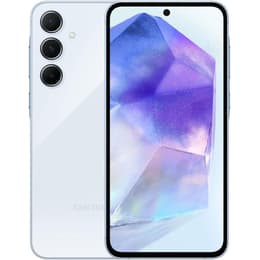
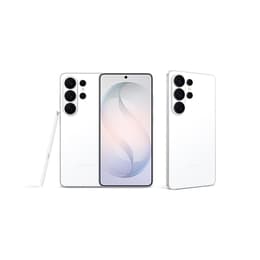
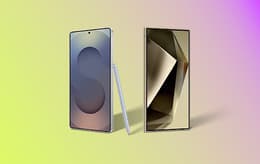
Galaxy A55 vs Galaxy S26 Ultra

  • 1-year warranty
  • Free standard shipping
  • Free 30-day returns
Galaxy A55
Starting at

Refurbished price:A$384.00

Versus A$699.00 new

See options
Galaxy S26 Ultra
Starting at

Refurbished price:A$1,529.00

Versus A$2,199.00 new

See options

Differences at a glance

The Samsung Galaxy A55 (2024) and the Samsung Galaxy S26 Ultra (2026) represent two entirely different tiers within the smartphone market, catering to vastly distinct user needs and preferences. While the Galaxy A55 positions itself as a dependable, everyday device focusing on core essentials, the Galaxy S26 Ultra serves as a flagship powerhouse equipped with cutting-edge mobile innovations. Both devices operate on the Android ecosystem with Samsung's custom interface, yet their internal hardware and intended audiences diverge significantly.

Available Models

Colour

Storage (GB)

Scores

Durability

When examining longevity and software support, both devices offer robust update commitments, though their hardware lifespans align with their respective market categories.

  • Software support timelines: Both models benefit from extensive manufacturer software and security updates, ensuring long-term digital safety, with the newer flagship model extending support further into the future.
  • Repairability and build durability: The Galaxy A55 features a glass back and aluminum frame with solid water resistance, while the Galaxy S26 Ultra utilizes advanced scratch-resistant glass and titanium materials designed to withstand rigorous daily wear.
  • Expected practical lifespan: Users seeking a quality-assured refurbished option for everyday tasks will find reliable multi-year endurance in the mid-range model, whereas power users will appreciate the hardware headroom of the flagship.

Release year

2024

2026

Operating system

Android

Android

Foldable

No

No

Performance

Processing power and daily operational speed differ notably between these two smartphones, reflecting their distinct hardware configurations.

  • Multitasking and app execution: The Galaxy A55 handles standard messaging, web browsing, and media streaming smoothly, while the Galaxy S26 Ultra manages demanding 3D gaming and intensive background processes with zero hesitation.
  • Battery behavior: Both devices comfortably navigate a standard day of moderate use, though the flagship incorporates advanced energy-efficiency management to sustain heavier workflows for longer periods.
  • Storage configurations: Ample internal storage options are available across both lineups, accommodating large photo libraries, applications, and offline media files without performance degradation.

Screen quality

Visual output and display technology provide distinct viewing experiences tailored to different consumption habits.

  • Display technology: Both smartphones utilize vibrant OLED panels with deep contrast levels, ensuring rich colors and sharp text rendering for reading and media viewing.
  • Brightness and outdoor visibility: The Galaxy S26 Ultra reaches significantly higher peak brightness levels for clear visibility under direct sunlight, whereas the Galaxy A55 performs adequately in standard outdoor conditions.
  • Refresh rate smoothness: High refresh rate capabilities are present on both displays, resulting in fluid scrolling through menus, web pages, and supported applications.

Resolution

1080x2340

1440x3120

Audiovisual

Multimedia capture and audio output capabilities vary considerably, offering different tiers of photographic and acoustic performance.

  • Camera versatility: The Galaxy A55 delivers reliable everyday photos and stable video recording for general social sharing, while the Galaxy S26 Ultra incorporates a versatile multi-lens array featuring advanced telephoto zoom and exceptional low-light sensitivity.
  • Audio and speaker output: Stereo speakers on both models provide clear dialogue for video calls and casual media playback, though the flagship yields a richer soundstage with deeper bass response.
  • Microphone performance: Voice clarity during calls and audio recording remains crisp and intelligible on both devices thanks to effective background noise suppression.

Miscellaneous

Physical handling, connectivity standards, and daily convenience features shape the physical interaction with each smartphone.

  • Connectivity and ports: Both models support modern 5G networks, fast Wi-Fi standards, and Bluetooth pairing, utilizing a reversible USB-C port for charging and data transfer.
  • Biometric security: Secure unlocking is handled via responsive under-display fingerprint sensors and facial recognition systems on both devices.
  • Dimensions and handling: The Galaxy A55 offers a standard form factor with comfortable one-handed reach, whereas the larger Galaxy S26 Ultra provides an expansive viewing workspace paired with an integrated stylus for productivity tasks.

Weight

213 oz

214 oz

Screen size (in)

6.6

6.9

Network

5G

5G

SIM card

Physical SIM

Physical SIM + eSIM

Carrier compatibility

Unlocked

Unlocked

What the community thinks

User discussions across online forums highlight distinct patterns of praise and common considerations for each smartphone. Owners of the Galaxy A55 frequently commend its reliable battery duration, solid build quality, and straightforward daily performance without unnecessary complexities. Conversely, users of the Galaxy S26 Ultra often emphasize appreciation for the expansive display workspace, exceptional zoom photography capabilities, and rapid execution of demanding applications, though some note the larger physical footprint requires two-handed use.

Users prioritizing core communication, dependable battery longevity, and everyday utility may prefer the practical approach of the Galaxy A55. Meanwhile, users prioritizing advanced photographic versatility, maximum processing headroom, and productivity tools will lean toward the Galaxy S26 Ultra. For those exploring sustainable choices, choosing a quality-assured refurbished option provides an eco-friendly alternative that extends device lifecycles while matching individual technology preferences.