
Compare models

Galaxy A53 5G vs Galaxy Z Fold7

  • 1-year warranty
  • Free standard shipping
  • Free 30-day returns
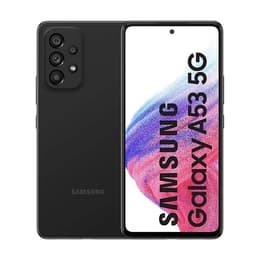
Galaxy A53 5G
Starting at

Refurbished price:A$252.00

Versus A$495.00 new

See options
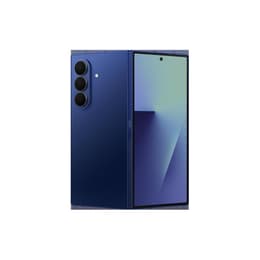
Galaxy Z Fold7
Starting at

Refurbished price:A$1,300.00

Versus A$2,499.00 new

See options

Differences at a glance

The Samsung Galaxy A53 5G (2022) and the Samsung Galaxy Z Fold7 (2025) represent two entirely different form factors and tiers within Samsung's smartphone lineup. While the Galaxy A53 5G is a traditional mid-range slate device focused on core everyday reliability, the Galaxy Z Fold7 is a premium book-style foldable featuring an expansive inner screen and high-end hardware. Both run on the Android operating system with Samsung's custom interface, though they cater to drastically different user expectations.

Available Models

Colour

Storage (GB)

Scores

Durability

When comparing the Galaxy A53 5G and the Galaxy Z Fold7, differences in release schedules and device categorization result in divergent long-term support expectations and mechanical considerations.

    Software longevity: The Galaxy Z Fold7 benefits from an extended software update commitment typical of modern flagship models, whereas the older Galaxy A53 5G is further along in its multi-year support lifecycle.
    Hardware durability: Traditional slate devices like the Galaxy A53 5G feature fewer moving parts, while the foldable engineering of the Galaxy Z Fold7 requires careful handling of its flexible inner screen mechanism.
    Expected lifespan: Both smartphones maintain solid daily usability over time, though users handling heavy productivity tasks on the Galaxy Z Fold7 rely heavily on high-end internal components to stay current.

Release year

2022

2025

Operating system

Android

Android

Foldable

No

Yes

Performance

Processing power and multitasking behaviors differ significantly between the mid-range configuration of the Galaxy A53 5G and the advanced hardware found inside the Galaxy Z Fold7.

    Multitasking and memory: The Galaxy Z Fold7 handles demanding multi-window workflows and heavy applications smoothly due to its generous RAM allocation, while the Galaxy A53 5G manages standard everyday switching efficiently.
    Storage configurations: The Galaxy A53 5G provides moderate internal storage choices alongside expandable storage support, whereas the Galaxy Z Fold7 offers large base storage capacities with high-speed data read and write capabilities.
    Battery behavior: The Galaxy A53 5G relies on a large single-cell battery to comfortably power a standard display through typical daily use, while the Galaxy Z Fold7 manages power across two separate screens with advanced processor efficiency.

Screen quality

Display technology is one of the most striking differentiators when comparing a traditional smartphone format to a folding device.

    Display technology: The Galaxy A53 5G features a flat Super AMOLED screen with sharp clarity, while the Galaxy Z Fold7 offers a dual-screen experience utilizing a wider cover display and an 8-inch foldable main panel.
    Brightness and outdoor viewing: Both devices deliver clear visibility in bright daylight environments through high-brightness modes, making outdoor reading straightforward.
    Refresh rate and smoothness: Both screens support high refresh rates, ensuring smooth scrolling through web pages, menus, and user interfaces.

Resolution

1080 x 2400

1968x2184

Audiovisual

Optics and media consumption setups vary widely, reflecting the different market positions of each device.

    Camera capabilities: The Galaxy A53 5G includes a dependable multi-lens rear array suited for everyday snapshots, while the Galaxy Z Fold7 incorporates high-resolution primary sensors and optical zoom lenses for versatile photography.
    Video and audio output: Both models record stable video clips with clear audio capture, and their built-in stereo speakers provide adequate sound output for casual media streaming.
    Low-light performance: Advanced image processing on the Galaxy Z Fold7 helps preserve detail in dim lighting conditions more effectively than the mid-range processing on the Galaxy A53 5G.

Miscellaneous

Practical everyday factors such as physical dimensions, connectivity standards, and build materials highlight the distinct design choices of each phone.

    Build and handling: The Galaxy A53 5G offers a lightweight, standard plastic-and-glass slate body, whereas the Galaxy Z Fold7 features a thinner folding chassis and a higher overall weight due to its complex hinge mechanism.
    Connectivity: Both devices support modern 5G cellular networks, fast Wi-Fi standards, and Bluetooth pairing for wireless accessories.
    Security and ports: Both models utilize secure biometric authentication methods like facial recognition and fingerprint scanning alongside reversible USB Type-C charging ports.

Weight

189 oz

215 oz

Screen size (in)

6.5

8.0

Network

5G

5G

SIM card

Physical SIM

Dual Physical SIM + eSIM

Carrier compatibility

Unlocked

Unlocked

What the community thinks

User feedback from online communities highlights distinct preferences for each device based on practical daily needs. Owners of the Galaxy A53 5G frequently praise its dependable battery endurance, straightforward design, and reliable everyday performance for basic communication and media consumption. Common discussions surrounding the Galaxy Z Fold7 focus on the convenience of the wider cover screen and the productivity benefits of the expansive inner display, though some users note the higher weight and foldable maintenance requirements.

Users prioritizing simplicity, lightweight handling, and standard smartphone functionality will find the Galaxy A53 5G well-suited to their daily routines. Conversely, users prioritizing multitasking space, large-screen media viewing, and high-end processing power may lean toward the Galaxy Z Fold7. For those exploring sustainable tech habits, choosing a quality-assured refurbished option provides an eco-friendly alternative that extends device lifecycles without compromising on performance standards.