
Compare models
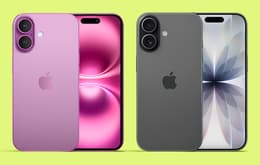
Galaxy A34 vs iPhone 16
- 1-year warranty
- Free standard shipping
- Free 30-day returns
Differences at a glance
The Samsung Galaxy A34 (2023) and the iPhone 16 (2024) represent two distinct approaches to the modern smartphone market, balancing differing software ecosystems and hardware philosophies. While the Galaxy A34 runs on the Android operating system with Samsung's custom interface, the iPhone 16 operates on Apple's iOS platform, offering entirely different user environments. A primary differentiator between these devices lies in their release years and ecosystem structures, which influence long-term software delivery and overall device architecture.
Available Models
Colour
Storage (GB)
Scores
Durability
When examining longevity and hardware durability, these two devices display distinct support timelines and structural designs.
- Software Support: The iPhone 16 benefits from Apple's extended update timeline, while the Galaxy A34 provides multiple years of security and platform updates from its 2023 release date, influencing long-term software usability.
- Build and Repairability: Both models feature dust and water resistance ratings, though their structural materials and repair pathways differ according to manufacturer guidelines and part availability.
- Expected Lifespan: Daily wear and tear handling depends on battery health management features built into each respective operating system, supporting multi-year daily use.
Release year
2023
2024
Compatible with latest Update
Yes
Yes
Foldable
No
No
Performance
System responsiveness and daily application handling vary due to distinct hardware configurations and memory management across platforms.
- Multitasking and Speed: The iPhone 16 manages demanding applications and rapid task switching smoothly, whereas the Galaxy A34 handles everyday multitasking, web browsing, and casual gaming efficiently for standard daily tasks.
- Storage and Battery: Both devices offer varied internal storage capacities without expandable memory slots, while battery performance adapts to typical daily usage through power-efficient system optimization.
- System Fluidity: Interface navigation remains responsive on both models, ensuring smooth transitions when launching core applications and managing background processes.
Screen quality
Display characteristics differ in technology type and maximum brightness output, impacting outdoor visibility and media consumption.
- Display Technology: Both models utilize vibrant OLED panels that deliver deep contrast levels and rich colors, though peak brightness metrics vary for direct sunlight readability.
- Refresh Rates: The Galaxy A34 features a high refresh rate screen for smooth scrolling animations, matching the fluid visual feedback provided by the iPhone 16 display architecture.
- Size and Resolution: Screen dimensions differ slightly, offering comfortable viewing areas for reading, video playback, and general navigation tailored to different physical form factors.
Resolution
1080 x 2340
1179 x 2556
Screen type
Super AMOLED
Super Retina XDR OLED
Audiovisual
Media capture capabilities and audio output systems offer diverse options for photography, video recording, and sound reproduction.
- Camera Systems: The iPhone 16 utilizes a refined dual-lens setup with advanced computational photography features, while the Galaxy A34 includes a versatile multi-lens array suitable for everyday snapshots and landscape photography.
- Video and Low-Light: Video recording stability and low-light performance rely on distinct image processing algorithms, yielding clear results across varying illumination environments.
- Audio Output: Built-in stereo speakers deliver clear sound for media playback and hands-free calls, supported by integrated microphone arrays designed to reduce background noise during conversations.
Main camera
48 megapixels
48 megapixels
Front camera
13 megapixels
12 megapixels
Miscellaneous
Physical dimensions, connectivity standards, and daily handling characteristics establish distinct user experiences.
- Connectivity: Both smartphones support modern 5G cellular networks, current Wi-Fi standards, and Bluetooth protocols for reliable accessory pairing and data transfer.
- Ports and Biometrics: The iPhone 16 features a USB-C port and facial recognition security, whereas the Galaxy A34 utilizes a USB-C port and an in-display fingerprint sensor alongside facial unlocking options.
- Physical Handling: Dimensions and weight distributions differ, affecting pocketability and one-handed reachability during extended communication sessions.
Weight
199 oz
170 oz
Screen size (in)
6,6
6.1
Network
5G
5G
SIM card
Physical SIM
Physical SIM + eSIM
Carrier compatibility
Unlocked
Unlocked
What the community thinks
Users evaluating these models often note that community feedback highlights the iPhone 16 for its long-term processing capability and integrated ecosystem, while the Galaxy A34 receives praise for its balanced everyday feature set and high refresh rate display. Frequent discussions focus on how well each device maintains battery efficiency over extended periods of ownership. Users prioritizing seamless integration within the Apple ecosystem may prefer the iPhone 16, while users prioritizing an Android interface with expanded screen fluidity may lean toward the Galaxy A34. Choosing a quality-assured refurbished option through platforms like Back Market offers a sustainable choice that extends device lifecycles and reduces electronic waste without compromising on functional reliability. Ultimately, matching individual software preferences and daily usage habits to each device's core strengths ensures a satisfying long-term experience.