Compare models

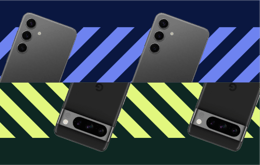
Galaxy A34 vs Google Pixel 9a

  • 1-year warranty
  • Free standard shipping
  • Free 30-day returns
Galaxy A34
Starting at

Refurbished price:A$214.00

Versus A$476.00 new

See options
Google Pixel 9a
Starting at

Refurbished price:A$635.00

Versus A$719.76 new

See options

Differences at a glance

The Samsung Galaxy A34 (2023) and Google Pixel 9a (2025) are popular mid-range smartphones designed to deliver reliable everyday performance without unnecessary complexity. While both devices run on the Android operating system, they originate from different release years and cater to slightly different hardware philosophies. The Galaxy A34 relies on expandable storage and a larger screen footprint, whereas the Pixel 9a emphasizes newer software integration, computational photography features, and a more compact form factor.

Available Models

Colour

Storage

Scores

Durability

Device longevity and software support schedules differ due to the launch timeline gap between the two models, impacting long-term usability and update frequency.

    Software longevity: The Google Pixel 9a benefits from an extended software support commitment spanning seven years from its release, while the Galaxy A34 operates on an older timeline with a shorter remaining window of major updates.
    Build and repairability: Both smartphones feature dust and water resistance ratings, though structural repair considerations vary by model design, with components like batteries presenting different levels of replacement accessibility.
    Practical lifespan: Users looking for multi-year software relevance will find the Pixel 9a provides a longer window of security patches, whereas the Galaxy A34 remains a functional tool for shorter upgrade cycles.

Release year

2023

2025

Operating system

Android

Android

Foldable

No

No

Performance

Day-to-day responsiveness and multitasking capabilities vary across both devices, driven by their internal configurations and memory architectures.

    Multitasking capacity: The Galaxy A34 is typically configured with up to 8GB of RAM and expandable storage via microSD, while the Pixel 9a provides 8GB of high-speed RAM paired with fixed internal storage options.
    System responsiveness: Both handsets handle standard daily tasks, web browsing, and social media smoothly, though the Pixel 9a handles heavier processing loads and modern applications with extra headroom.
    Battery behavior: Both devices pack large power cells around the 5,000mAh threshold, comfortably lasting through a full day of standard mixed usage before requiring a recharge.

Screen quality

Visual output characteristics differ noticeably in physical dimensions, brightness output, and refresh rate behavior between the two models.

    Display technology: The Galaxy A34 utilizes a 6.6-inch Super AMOLED screen, whereas the Pixel 9a features a slightly smaller 6.3-inch OLED panel, both offering deep contrast levels and rich colors.
    Motion smoothness: Both displays support a 120Hz refresh rate, ensuring fluid scrolling through web pages, menus, and supported applications.
    Outdoor visibility: The Pixel 9a achieves higher peak brightness levels for direct sunlight legibility, while the Galaxy A34 delivers ample clarity for standard outdoor viewing environments.

Resolution

1080 x 2340

1080x2424

Screen type

Super AMOLED

P-OLED

Audiovisual

Media capture capabilities and audio-visual playback hardware reflect distinct design priorities for photography and entertainment.

    Camera versatility: The Galaxy A34 features a triple rear camera arrangement including a dedicated macro lens, while the Pixel 9a opts for a dual rear camera system backed by advanced automated image processing software.
    Video and low light: Both phones record stable video clips in high definition with optical image stabilization, though the Pixel 9a excels at nighttime clarity and automated photo cleanup tools.
    Media consumption: Stereo speaker setups on both models deliver clear audio output for hands-free calls, podcasts, and casual video streaming.

Miscellaneous

Physical handling, connectivity standards, and daily utility features shape the ergonomics and physical interaction of each smartphone.

    Dimensions and weight: The Galaxy A34 has a larger, heavier chassis suited for two-handed media viewing, while the Pixel 9a offers a lighter, narrower build that fits more easily into pockets.
    Connectivity: Both models support 5G cellular networks, modern Wi-Fi standards, and Bluetooth, ensuring reliable wireless accessory pairing.
    Hardware additions: The Galaxy A34 includes a microSD card slot for physical storage expansion, a feature omitted on the Pixel 9a in favor of fixed internal capacities. Consumers exploring a quality-assured refurbished option can find both models as sustainable choices that reduce electronic waste.

Weight

199 oz

186 oz

Screen size (in)

6,6

6.3

Network

5G

5G

SIM card

Physical SIM

Physical SIM + eSIM

Carrier compatibility

Unlocked

Unlocked

What the community thinks

User discussions and community feedback highlight distinct preferences for each device based on practical everyday needs. Owners of the Galaxy A34 frequently praise its dependable battery endurance, expandable storage capability, and large display real estate. On the other hand, Pixel 9a users often emphasize satisfaction with its clean software interface, compact handling, and reliable low-light photo capture. Common criticisms for the Galaxy A34 center on its bulkier plastic frame, while some users note that the Pixel 9a lacks expandable storage support.

Users prioritizing a larger screen and expandable storage capacity will find the Galaxy A34 well-suited to their workflow. Conversely, users prioritizing a more compact physical footprint, longer software update longevity, and advanced automated photo editing tools may lean toward the Pixel 9a. Choosing between these devices depends entirely on whether physical media storage or modern software support aligns better with personal usage habits.