
Galaxy A33 5G vs iPhone 16e

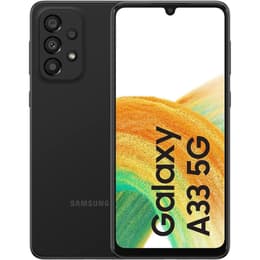
Galaxy A33 5G
Galaxy A33 5G
Starting at

Refurbished price:A$205.00

Versus A$495.00 new

See options
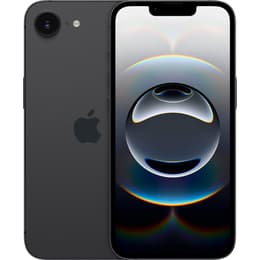
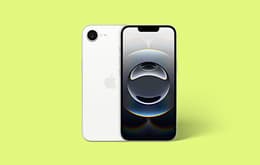
iPhone 16e
iPhone 16e
Starting at

Refurbished price:A$838.00

Versus A$999.00 new

See options

The Samsung Galaxy A33 5G, released in April 2022, and the Apple iPhone 16E, a rumored model expected in 2026, represent distinct approaches to smartphone design and functionality. While the Galaxy A33 5G operates on the Android platform, the iPhone 16E runs on Apple's iOS. Key differentiators between these two devices include their operating systems, display technologies, and camera philosophies.

Scores

Durability

When considering the long-term usability of a smartphone, software support and physical resilience are important factors.

  • Release Timeline: The Galaxy A33 5G was released in April 2022, making it a device that has been on the market for some time. The iPhone 16E is anticipated to launch in 2026, positioning it as a newer device with a more recent hardware and software foundation.
  • Software Longevity: The Galaxy A33 5G launched with Android 12 and is guaranteed to receive four major Android OS updates, extending its support up to Android 16, along with five years of security updates. The iPhone 16E, expected to launch with iOS 18, will likely benefit from Apple's typical long-term software support, often spanning five to seven years of major iOS updates.
  • Durability Features: The Galaxy A33 5G features an IP67 rating for dust and water resistance and a Gorilla Glass 5 front for screen protection. The iPhone 16E is expected to offer an IP68 rating and Ceramic Shield front cover, which is designed for enhanced drop performance.

Release year

2022

2025

Operating system

Android

iOS

Foldable

No

No

Performance

Performance aspects like processing power, storage, and battery behavior significantly influence daily user experience.

  • Processing Capabilities: The Galaxy A33 5G is powered by an octa-core processor, which handles everyday tasks and multitasking efficiently. The iPhone 16E is anticipated to feature Apple's A18 chip, which is designed to deliver smooth performance for demanding applications, advanced gaming, and support for Apple Intelligence features.
  • Storage and Multitasking: The Galaxy A33 5G offers internal storage options of 128GB or 256GB and supports expandable storage via a microSD card, providing flexibility for users with large media libraries. The iPhone 16E is expected to come with 128GB, 256GB, and 512GB storage options, but without expandable storage. Both devices offer sufficient RAM for smooth multitasking within their respective operating systems.
  • Battery Behavior: The Galaxy A33 5G is equipped with a 5000 mAh battery, which typically provides extended usage, with users often reporting it lasts through a full day of heavy use. The iPhone 16E is expected to offer enhanced battery life, with Apple claiming it will have the best battery life ever on a 6.1-inch iPhone.

Memory (GB)

4 GB

8 GB

Screen quality

The display is a primary interface for smartphone interaction, and its quality impacts viewing pleasure and usability.

  • Display Technology and Clarity: The Galaxy A33 5G features a 6.4-inch Super AMOLED display, known for its vibrant colors and deep blacks, with a resolution of 1080x2400 pixels. The iPhone 16E is expected to have a 6.06-inch or 6.1-inch LTPS OLED Super Retina XDR display, offering high contrast and clarity for media consumption.
  • Refresh Rate and Smoothness: The Galaxy A33 5G provides a 90Hz refresh rate, contributing to smoother scrolling and a more fluid visual experience. The iPhone 16E is anticipated to feature a standard 60Hz refresh rate.
  • Brightness and Outdoor Visibility: The iPhone 16E's Super Retina XDR display is expected to offer high peak brightness, enhancing visibility in bright outdoor conditions and for HDR content. The Galaxy A33 5G's Super AMOLED display also offers good brightness for various lighting environments.

Resolution

1080 x 2400

2532x1170

Audiovisual

Camera capabilities are a significant consideration for many users, influencing how they capture and share moments.

  • Rear Camera System: The Galaxy A33 5G features a versatile quad-camera setup, including a 48 MP main camera with optical image stabilization (OIS), an 8 MP ultrawide, a 5 MP macro, and a 2 MP depth sensor, capable of recording 4K video at 30 frames per second. The iPhone 16E is expected to come with a single 48 MP Fusion camera, which includes an integrated 2x telephoto capability, and supports 4K Dolby Vision recording.
  • Photography Performance: The Galaxy A33 5G's main camera performs well in good lighting, producing detailed images, and its OIS helps with stability. The iPhone 16E's camera system is designed to leverage Apple's computational photography for high-quality images across various conditions, including Portrait mode and Night mode.
  • Front Camera and Video: Both devices offer capable front-facing cameras for selfies and video calls. The Galaxy A33 5G has a 13 MP front camera. The iPhone 16E is expected to feature a 12 MP front camera. Both are capable of recording high-quality video.

Front camera

13 megapixels

TrueDepth 12MP

Miscellaneous

Beyond core features, several practical elements contribute to the overall user experience and device utility.

  • Connectivity and Ports: Both the Galaxy A33 5G and iPhone 16E support 5G connectivity for faster mobile data speeds. The Galaxy A33 5G includes Wi-Fi 5 (802.11ac) and Bluetooth 5.1, while the iPhone 16E is expected to feature more recent Wi-Fi and Bluetooth standards. Both devices utilize a USB-C port for charging and data transfer, and neither includes a traditional 3.5mm headphone jack.
  • Biometric Security: The Galaxy A33 5G incorporates an in-display optical fingerprint sensor for secure unlocking. The iPhone 16E is expected to feature Face ID for facial recognition-based authentication.
  • Design and Handling: The Galaxy A33 5G features a plastic back and frame with a glass front, weighing 186g. The iPhone 16E is anticipated to have an aluminum frame and glass back, with a design similar to the iPhone 14, and is expected to be compact and lightweight. The iPhone 16E is also expected to include an Action button, offering customizable shortcuts.

Weight

186 oz

167 oz

Screen size (in)

6.4

6.1

Network

5G

5G

SIM card

Physical SIM

Physical SIM + eSIM

Carrier compatibility

Unlocked

Unlocked

Users frequently praise the Samsung Galaxy A33 5G for its robust battery life and vibrant Super AMOLED display, which offers a smooth 90Hz refresh rate. Some common feedback notes that while its camera system is versatile, its overall performance might not match higher-end devices, and occasional stutters can occur with many apps open. The iPhone 16E, on the other hand, is anticipated to be lauded for its powerful A18 chip, ensuring fluid performance and long-term software support, along with its expected high-quality camera and enhanced battery life. Potential points of discussion for the iPhone 16E might include its expected 60Hz display refresh rate and the single rear camera setup, despite its advanced capabilities.

Users prioritizing an expansive, high-refresh-rate AMOLED display and expandable storage may find the Galaxy A33 5G well-suited to their needs. Its strong battery life and comprehensive Android software support make it a practical choice for those who value longevity and customization within the Android ecosystem. Conversely, users who prioritize a powerful and efficient processor, long-term iOS software updates, and a premium build with advanced biometric security like Face ID may lean towards the iPhone 16E. Its expected compact design and advanced camera features, including computational photography, cater to those seeking a streamlined and high-performance experience.

Both devices offer compelling features for different user preferences. For those considering an eco-friendly and quality-assured option, exploring refurbished versions of either model can provide a sustainable choice without compromising on functionality.

See all articles

Our recent comparisons