
Compare models
Galaxy A23 vs Motorola Moto G04
- 1-year warranty
- Free standard shipping
- Free 30-day returns
Differences at a glance
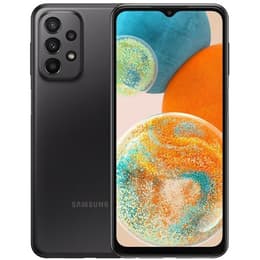
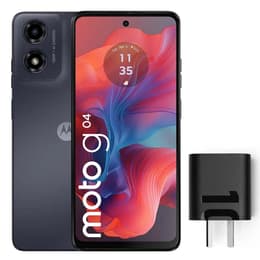
The Samsung Galaxy A23 (2022) and the Motorola Moto G04 (2024) are entry-level Android smartphones designed to handle daily communication and media needs reliably. While both models serve budget-conscious users seeking core smartphone functionality, they differ notably in their release timelines, operating systems, and display resolutions. The Samsung device operates on customizable software with a multi-camera array, whereas the Motorola option runs a streamlined software interface housed in a lighter physical build.
Available Models
Colour
Storage (GB)
Scores
Durability
Evaluating the lifespan and durability of these devices involves examining their software support windows, physical build quality, and expected maintenance needs over time.
- Software Support: The Samsung model launched running an older software version than the Motorola device, though both receive ongoing security updates to maintain system stability.
- Build and Repairability: Both smartphones utilize durable plastic frames and backs, making them less prone to shattering from minor drops compared to all-glass builds, with standard component repairability for common parts like batteries and screens.
- Expected Lifespan: Both devices deliver multi-year usability for everyday communication, though choosing a quality-assured refurbished option provides a sustainable choice that extends device longevity while minimizing electronic waste.
Release year
2022
2024
Compatible with latest Update
Yes
Yes
Operating system
Android
Android
Foldable
No
No
Performance
Performance capabilities vary based on internal hardware configurations, storage capacities, and battery management efficiency during daily operation.
- Everyday Responsiveness: Both devices handle basic communication, web browsing, and social media apps smoothly, though heavy multitasking or high-end gaming may cause minor stuttering due to entry-level processing hardware.
- Storage and Memory: Available in various configurations of internal storage and working memory, both models support expandable storage via a microSD card slot to accommodate large photo libraries and media files.
- Battery Behavior: Each smartphone features a high-capacity battery that easily delivers a full day of typical use for calling, messaging, and casual video streaming.
Screen quality
Display characteristics shape the visual experience for viewing media, reading text, and navigating user interfaces outdoors or indoors.
- Display Technology: Both models utilize liquid crystal display panels equipped with a smooth refresh rate for fluid scrolling through menus and web pages.
- Resolution and Clarity: The Samsung device offers a higher resolution screen for sharper text rendering, while the Motorola alternative features a standard high-definition panel suited for casual media viewing.
- Outdoor Visibility: Adequate peak brightness levels on both screens allow for legible viewing under standard daylight conditions, though direct sunlight may require manual brightness adjustments.
Resolution
1080 x 2408
720 x 1612
Screen type
PLS LCD
IPS LCD
Audiovisual
Imaging and audio hardware determine how each device performs for casual photography, video calls, and media consumption.
- Camera Systems: The Samsung model incorporates a versatile multi-lens rear setup including a high-resolution main sensor and an ultra-wide option, whereas the Motorola device features a streamlined single main camera backed by basic enhancement tools.
- Video and Low-Light: Both smartphones capture standard high-definition video suitable for sharing, though low-light performance shows noticeable grain and reduced detail on both options.
- Audio Output: Media playback relies on built-in speakers that handle podcasts and video calls clearly, while both devices retain the traditional headphone jack for wired audio accessories.
Main camera
50 megapixels
16 megapixels
Front camera
8 megapixels
5 megapixels
Miscellaneous
Physical dimensions, connectivity standards, and daily handling characteristics define the practical usability of each smartphone.
- Connectivity: Both models support standard wireless networks including Wi-Fi, Bluetooth for wireless accessories, and reliable 4G cellular data connectivity without 5G capabilities.
- Security Sensors: Quick biometric authentication is available on both devices through side-mounted fingerprint scanners integrated into the power button.
- Design and Handling: The Motorola model features a notably lighter and slimmer chassis for effortless pocketability, while the Samsung alternative carries a slightly heavier build to accommodate its multi-lens camera array.
Weight
197 oz
179 oz
Screen size (in)
6.6
6.56
Network
4G
4G
SIM card
Dual Physical SIM
Dual Physical SIM
Carrier compatibility
Unlocked
Unlocked
What the community thinks
User feedback from online communities highlights distinct preferences for each device depending on daily priorities. Owners of the Samsung Galaxy A23 frequently praise its sharper screen resolution and versatile camera setup, while noting that charging speeds can be slow. Conversely, Motorola Moto G04 users appreciate its lightweight handling, clean software interface, and dependable daily battery life, though some express desire for a higher-resolution display.
Users prioritizing sharp visual clarity and flexible photo options may prefer the Samsung model, while users prioritizing a lightweight build and clean software will find the Motorola device well-suited to their needs. Selecting a quality-assured refurbished option from Back Market allows consumers to make an eco-friendly choice without compromising on functional reliability.