iPhone
Compare models
Differences at a glance
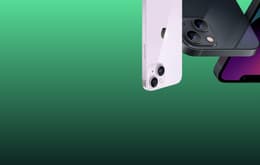
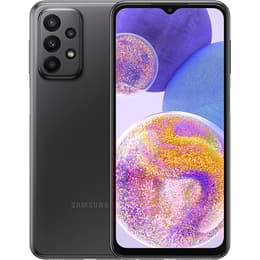
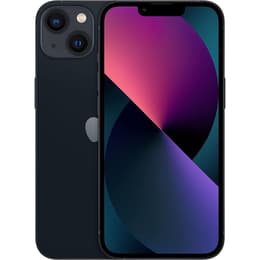
The Samsung Galaxy A23, released in March 2022, and the Apple iPhone 13, launched in September 2021, represent distinct approaches to smartphone design and functionality. While both devices offer a comprehensive mobile experience, they cater to different user preferences through their respective operating systems and hardware philosophies. The Galaxy A23 operates on Android, emphasizing a versatile camera system and a large display, whereas the iPhone 13 runs on iOS, focusing on a powerful processing experience and advanced photographic capabilities.
Colour
Storage
When considering the longevity of a smartphone, factors like software support, physical durability, and ease of repair play a significant role. The Galaxy A23 and iPhone 13 offer different outlooks in these areas.
Release year
Compatible with latest Update
Operating system
Foldable
The performance of a smartphone is crucial for daily tasks, from navigating applications to managing multiple processes simultaneously. Both the Galaxy A23 and iPhone 13 deliver capable performance, though with differing levels of raw power and optimization.
The display is a primary interface for any smartphone, influencing everything from content consumption to daily interactions. The Galaxy A23 and iPhone 13 present different display technologies and characteristics.
Resolution
Screen type
For many users, the camera system is a key differentiator, capturing memories and enabling creative expression. Both devices offer capable camera setups, but with distinct strengths and features.
Main camera
Front camera
Beyond core performance and display, several practical features contribute to the overall user experience and daily convenience of a smartphone.
Weight
Screen size (in)
Network
SIM card
Carrier compatibility
The Samsung Galaxy A23 and iPhone 13 cater to different user priorities, reflecting their respective ecosystems and design philosophies. Users often praise the iPhone 13 for its powerful performance, consistent camera quality, and long-term software support. Its optimized iOS experience and robust build materials are frequently highlighted as strong points. Some common criticisms, however, include its 60Hz display refresh rate and the absence of a telephoto lens. [1, 19, 22, 27, 35]
The Galaxy A23 is frequently lauded for its impressive battery life, larger display, and the inclusion of a versatile quad-camera system with OIS on the main sensor. Its expandable storage and the presence of a headphone jack are also often appreciated by users. Conversely, some users note that its processing power is more suited for everyday tasks rather than intensive gaming, and its LCD screen, while large and smooth with 90Hz, may not offer the same contrast as an OLED panel. [2, 9, 21, 28, 38, 40]
Users prioritizing a highly fluid and powerful processing experience, coupled with advanced computational photography and extended software longevity within the Apple ecosystem, may find the iPhone 13 well-suited to their needs. Those who value a larger display, exceptional battery endurance, a versatile camera setup with dedicated macro and depth sensors, and the flexibility of the Android operating system, along with expandable storage and a headphone jack, may lean toward the Galaxy A23. Both devices offer reliable performance for their intended audiences, and considering a quality-assured refurbished option can be an eco-friendly alternative for either model.