
Galaxy A23 5G vs Motorola Razr 40

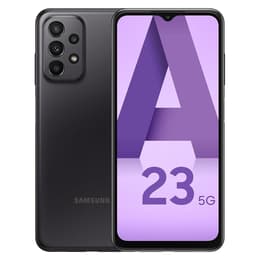
Galaxy A23 5G
Galaxy A23 5G
Starting at

Refurbished price:A$219.00

Versus A$457.00 new

See options
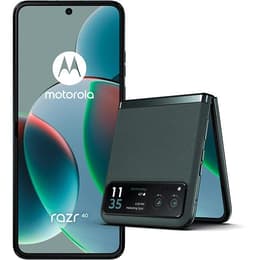
Motorola Razr 40
Motorola Razr 40
See options

Ratings

The Samsung Galaxy A23 5G, released in late 2022, and the Motorola Razr 40, launched in mid-2023, represent distinct approaches to smartphone design and functionality. While the Galaxy A23 5G offers a traditional slab form factor with a focus on core features, the Razr 40 introduces a foldable design, allowing for a compact experience when closed. Both devices operate on the Android platform, providing users with a familiar software environment.

Scores

Durability

The longevity of a smartphone is influenced by its physical resilience and ongoing software support. These two devices offer different profiles in this regard.

  • Release Timeline and Software Support: The Galaxy A23 5G was released in August/September 2022, typically receiving two major Android OS updates and four years of security updates from its launch with Android 12, meaning support is expected up to Android 14 and security patches until around 2026. The Motorola Razr 40, launched in June 2023 with Android 13, is expected to receive three major Android OS upgrades and four years of bi-monthly security updates.
  • Build Materials and Durability: The Galaxy A23 5G features a glass front protected by Gorilla Glass 5, with a plastic back and frame. Its repairability is considered moderate, though battery removal can be challenging due to strong adhesive. The Motorola Razr 40, with its foldable design, uses a plastic front when unfolded, a glass back (Gorilla Glass Victus) or vegan leather, and an aluminum frame with a stainless steel hinge. It also has a water-repellent coating with an IP52 rating. User experiences suggest the hinge is durable, but the external screen may be vulnerable to direct pressure.
  • Expected Practical Lifespan: Users prioritizing extended software updates might find the Razr 40's policy more appealing, offering an additional major OS upgrade. For physical durability, the traditional design of the A23 5G may offer a more conventional resilience, while the Razr 40's foldable nature introduces specific considerations for its hinge and flexible display.

Release year

2022

2023

Compatible with latest Update

Yes

Yes

Operating system

Android

Android

Foldable

No

Yes

Performance

Performance is a key factor in daily smartphone use, affecting everything from app responsiveness to multitasking capabilities.

  • Processor Capabilities: The Galaxy A23 5G is equipped with a processor that handles everyday tasks efficiently, providing smooth navigation and app usage, especially with its 120Hz display. The Motorola Razr 40 features a more capable processor, resulting in smoother performance for demanding applications, quicker app loading times, and more fluid multitasking.
  • Memory and Storage: The Galaxy A23 5G offers configurations with 4GB, 6GB, or 8GB of RAM and 64GB or 128GB of internal storage, with the added benefit of expandable storage via a microSD card. Some users have noted occasional sluggishness with lower RAM variants. The Razr 40 comes with 8GB or 12GB of RAM and 128GB, 256GB, or 512GB of storage, but does not offer microSD expansion.
  • Battery Behavior: The Galaxy A23 5G houses a large 5000 mAh battery, which typically provides extended usage times, often lasting more than a full day for many users. The Motorola Razr 40 has a 4200 mAh battery, which, despite being smaller, generally offers good battery life for a foldable device, often lasting through a full day of moderate use.

Memory (GB)

4 GB

8 GB

Screen quality

The display is the primary interface for smartphone interaction, and both devices offer distinct viewing experiences.

  • Display Technology and Resolution: The Galaxy A23 5G features a 6.6-inch PLS LCD display with a resolution of 1080 x 2408 pixels. This provides good clarity for general viewing. The Motorola Razr 40 boasts a 6.9-inch Foldable LTPO AMOLED main display with a higher resolution of 1080 x 2640 pixels, offering vibrant colors and deep blacks. It also includes a smaller 1.5-inch AMOLED cover display for quick information.
  • Refresh Rate and Brightness: The Galaxy A23 5G offers a 120Hz refresh rate, contributing to smooth scrolling and a responsive feel. The Razr 40's main display features an even higher 144Hz refresh rate, providing exceptionally fluid visuals, and can reach a peak brightness of 1400 nits, enhancing outdoor visibility.
  • Viewing Experience: The traditional flat screen of the A23 5G provides a consistent viewing area. The Razr 40's foldable screen offers a unique form factor, allowing for a large display when unfolded and a compact device when closed, with the cover screen providing quick access to notifications and controls.

Resolution

1080 x 2408

1080 x 2640

Screen type

PLS LCD

Foldable LTPO AMOLED

Audiovisual

Camera capabilities are a significant consideration for many users, and these devices approach photography differently.

  • Rear Camera Systems: The Galaxy A23 5G features a quad-camera setup, including a 50MP main sensor with optical image stabilization (OIS), a 5MP ultrawide lens, and two 2MP sensors for macro and depth. The main camera performs well in good lighting conditions, capturing detailed and color-accurate photos. The ultrawide and macro cameras are more basic in their performance. The Motorola Razr 40 has a dual-camera system, comprising a 64MP main sensor with OIS and a 13MP ultrawide lens with autofocus. Its main camera is capable of producing good images with vibrant colors in adequate lighting.
  • Front Camera and Video Recording: For selfies, the Galaxy A23 5G has an 8MP front camera. Video recording on the A23 5G is limited to 1080p at 30 frames per second. The Razr 40 features a higher-resolution 32MP front camera. It also offers the flexibility to use its main rear cameras for high-quality selfies, utilizing the cover screen as a viewfinder. The Razr 40 can record videos up to 4K at 30 frames per second.
  • Audio Output: The Galaxy A23 5G features a single bottom-firing speaker. The Razr 40 provides a capable speaker output for media consumption.

Main camera

50 megapixels

64 megapixels

Front camera

8 megapixels

32 megapixels

Miscellaneous

Beyond core features, several practical elements contribute to the overall user experience of a smartphone.

  • Connectivity and Ports: Both devices support 5G connectivity. The Galaxy A23 5G includes Wi-Fi 5 (802.11ac) and Bluetooth 5.1, along with NFC. It also retains a 3.5mm headphone jack and uses a USB-C 2.0 port. The Motorola Razr 40 offers more advanced connectivity with Wi-Fi 6E (802.11ax) and Bluetooth 5.3, also including NFC. It features a USB-C 2.0 port but omits the traditional headphone jack.
  • Biometric Security and Design: Both smartphones incorporate a side-mounted fingerprint sensor for secure unlocking. The Galaxy A23 5G has a conventional design, weighing 197g. The Razr 40's defining characteristic is its foldable form factor, allowing it to be compact when closed (88.2 x 74 x 15.8 mm) and expanding to a larger screen when unfolded (170.8 x 74 x 7.4 mm), with a weight of 188.6g.
  • Build Materials: The Galaxy A23 5G uses a combination of glass (Gorilla Glass 5) on the front and plastic for its back and frame. The Razr 40 utilizes a plastic front (unfolded), with options for a glass back (Gorilla Glass Victus) or vegan leather, and an aluminum frame with a stainless steel hinge.

Weight

197 oz

189 oz

Screen size (in)

6.6

6,9

Network

5G

5G

SIM card

Physical SIM

Dual Physical SIM + eSIM

Carrier compatibility

Unlocked

Unlocked

The Samsung Galaxy A23 5G and Motorola Razr 40 cater to different user preferences, each offering a distinct set of advantages. The Galaxy A23 5G is frequently praised by users for its long-lasting battery, capable main camera, and smooth 120Hz display, providing a solid experience for everyday tasks. Some common criticisms include occasional performance sluggishness, particularly with lower RAM configurations, and the basic nature of its secondary cameras.

The Motorola Razr 40, on the other hand, is lauded for its innovative foldable design, which offers a large screen experience in a compact form factor, along with a vibrant main display and generally good battery life for its category. User feedback sometimes points to concerns regarding the durability of the external screen under pressure and camera performance that, while good, may not match the highest-end non-foldable devices.

Users prioritizing a traditional smartphone experience with a large battery and expandable storage may find the Galaxy A23 5G well-suited to their needs. Its consistent performance for daily use and robust software support make it a practical choice. Conversely, users who value a unique, compact design and a premium foldable display, along with a more powerful processor for demanding applications, may lean towards the Motorola Razr 40. Its advanced connectivity and higher refresh rate also appeal to those seeking a more modern feature set.

Both devices offer compelling features for their respective audiences. For those considering these models, exploring quality-assured refurbished options can provide an eco-friendly alternative to extend the life cycle of these electronic products.

See all articles

Our recent comparisons