
Compare models
Galaxy S24 Ultra vs Google Pixel 9
- 1-year warranty
- Free standard shipping
- Free 30-day returns
Differences at a glance
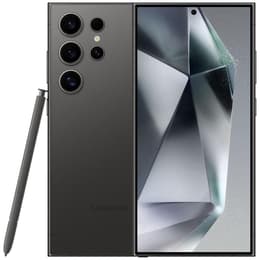
The Samsung Galaxy S24 Ultra and the Google Pixel 9 are flagship smartphones released in early 2024 and late 2024, respectively. While both devices offer a premium Android experience, they cater to slightly different user preferences. The Galaxy S24 Ultra emphasizes a larger display, a versatile camera system with extensive zoom capabilities, and integrated stylus functionality, running Samsung's One UI. The Pixel 9, on the other hand, focuses on a more compact form factor, a streamlined software experience with advanced AI features, and a strong dual-camera setup, powered by Google's vision of Android.
Available Models
Colour
Storage (GB)
Scores
Durability
When considering the long-term usability of these devices, both offer substantial software support and robust build quality, though their repairability approaches differ.
- Software Longevity: The Google Pixel 9 launched with Android 15 and is promised seven years of OS and security updates, extending its software lifespan significantly. The Samsung Galaxy S24 Ultra, released with Android 14, also offers a long support period, typically around seven years of updates, ensuring both devices remain current for an extended duration.
- Physical Durability: The Galaxy S24 Ultra features a titanium frame and Gorilla Glass Armor for enhanced scratch and drop resistance, along with an IP68 rating for dust and water protection. The Pixel 9 also boasts an IP68 rating and uses Gorilla Glass Victus 2 on both its front and back, encased in a metal frame made from recycled aluminum, providing solid everyday protection.
- Repairability: The Galaxy S24 Ultra has received varied repairability assessments, with some reports indicating a near-perfect score of 9/10 due to accessible components like the battery and charger port, despite some challenges with screen removal. Conversely, the Pixel 9's repairability has been described as more challenging by some experts, particularly concerning battery removal due to strong adhesives, despite Google's efforts to provide repair guides and parts.
Release year
2024
2024
Compatible with latest Update
Yes
Yes
Operating system
Android
Android
Foldable
No
No
Performance
Both smartphones deliver strong performance for daily tasks and demanding applications, though they achieve this through different hardware and software optimizations.
- Processing Power: The Galaxy S24 Ultra is equipped with a high-performance processor designed for intensive tasks, offering smooth operation for heavy multitasking, graphic-intensive gaming, and complex productivity applications. Users report a consistently fluid experience even under significant load.
- System Responsiveness: The Pixel 9 features Google's custom-designed processor, which is optimized for the device's software and AI capabilities, resulting in a highly responsive user interface and efficient handling of everyday apps. While generally smooth, some benchmarks suggest its raw performance might be less potent compared to some rivals, though this rarely impacts typical user experience.
- Memory and Storage: Both devices come with ample RAM, typically 12GB, facilitating seamless app switching and efficient background process management. The Galaxy S24 Ultra offers a wider range of storage options, including 256GB, 512GB, and 1TB, while the Pixel 9 is available in 128GB and 256GB configurations.
Screen quality
The visual experience on both devices is vibrant and clear, though they differ in size and specific display technologies.
- Display Technology and Clarity: The Galaxy S24 Ultra features a 6.8-inch Dynamic LTPO AMOLED 2X display with a QHD+ resolution, providing exceptionally sharp images and deep blacks. The Pixel 9 sports a 6.3-inch OLED panel with an FHD+ resolution, offering clear visuals and rich colors.
- Brightness and Refresh Rate: The S24 Ultra's display can reach a high peak brightness of 2600 nits, making it highly visible even in bright outdoor conditions, and offers an adaptive refresh rate from 1Hz to 120Hz for smooth scrolling and power efficiency. The Pixel 9 also features a bright display, with a peak brightness of up to 2700 nits, and an adaptive refresh rate ranging from 60Hz to 120Hz, ensuring a fluid visual experience.
- Viewing Experience: The larger screen of the Galaxy S24 Ultra provides an expansive canvas for media consumption and multitasking, while the Pixel 9's more compact screen size makes it easier for one-handed use and portability.
Resolution
1440 x 3120
1080 x 2424
Screen type
Dynamic LTPO AMOLED 2X
OLED
Audiovisual
Both smartphones are recognized for their advanced camera capabilities, excelling in different aspects of photography and videography.
- Rear Camera Systems: The Galaxy S24 Ultra boasts a versatile quad-camera setup, including a 200MP main sensor, a 12MP ultrawide, a 10MP 3x optical telephoto, and a 50MP 5x optical telephoto lens, offering extensive zoom flexibility and detailed shots across various focal lengths. The Pixel 9 features a dual-camera system with a 50MP main sensor and a 48MP ultrawide lens, known for its computational photography prowess and consistent image quality, particularly in challenging lighting conditions.
- Photography Performance: Users praise the S24 Ultra for its clarity, color reproduction, and dynamic range, with impressive zoom capabilities, though some note occasional struggles with fast-moving subjects and low-light performance compared to the Pixel in specific scenarios. The Pixel 9 is highly regarded for its sharp, clear images, excellent low-light performance, and realistic color rendition, often producing pleasing results straight out of the camera.
- Video and Audio: The S24 Ultra supports 8K video recording at 30fps and 4K at up to 120fps, providing high-resolution video capture with good stabilization. The Pixel 9 records video at up to 4K 60fps for both front and rear cameras, with optical image stabilization on the rear, delivering vibrant colors and preserved details. Both devices offer stereo speakers and multiple microphones for clear audio capture and media playback.
Main camera
200 megapixels
50 megapixels
Front camera
12 megapixels
10.5 megapixels
Miscellaneous
Beyond core features, several practical elements differentiate these two flagship devices, impacting daily convenience and user interaction.
- Connectivity and Ports: Both phones support modern connectivity standards, including 5G, Wi-Fi 7, and Bluetooth 5.3, ensuring fast and reliable wireless connections. The Galaxy S24 Ultra features a USB-C port, while the Pixel 9 also uses USB-C for charging and data transfer.
- Biometric Security: The Galaxy S24 Ultra incorporates an in-display fingerprint sensor and face recognition for secure unlocking. The Pixel 9 also offers an upgraded ultrasonic in-display fingerprint sensor and facial recognition, providing fast and accurate authentication.
- Design and Handling: The Galaxy S24 Ultra is a larger device, weighing around 232 grams, and includes an integrated S Pen stylus, enhancing productivity and creative tasks. The Pixel 9 is more compact and lighter, measuring 152.8 x 72.0 x 8.5mm and weighing 198 grams, making it easier to handle with one hand.
- Build Materials: The S24 Ultra features a premium titanium frame, contributing to its robust feel. The Pixel 9 utilizes a metal frame made from 100% recycled aluminum, aligning with sustainability efforts.
Weight
232 oz
198 oz
Screen size (in)
6.8
6.3
Network
5G
5G
SIM card
Physical SIM + eSIM
Physical SIM + eSIM
Carrier compatibility
Unlocked
Unlocked
What the community thinks
The Samsung Galaxy S24 Ultra and the Google Pixel 9 both stand as strong contenders in the premium smartphone market, each with distinct strengths that appeal to different user needs. Users frequently praise the Galaxy S24 Ultra for its exceptional battery life, highly versatile camera system with impressive zoom capabilities, and powerful performance for demanding applications. Its integrated S Pen is also a significant draw for those who value precise input and productivity features. Some common criticisms include its size, which can be cumbersome for some users, and its charging speed, which is not the fastest available.
The Google Pixel 9 receives consistent acclaim for its outstanding camera quality, particularly its computational photography and low-light performance, as well as its clean, intuitive software experience with advanced AI features. Its commitment to seven years of software updates is also a significant advantage for long-term users. However, some users note that its raw performance might not match the absolute top-tier rivals, and the base model lacks a dedicated telephoto lens.
Users prioritizing a large, expansive display, a comprehensive camera system with optical zoom, and integrated stylus functionality for productivity may find the Samsung Galaxy S24 Ultra well-suited to their needs. Conversely, those who value a more compact device, a streamlined software experience with cutting-edge AI, and a camera that excels in consistent, high-quality photography, especially in varied lighting, may lean towards the Google Pixel 9. Both devices represent excellent choices, and considering a quality-assured refurbished option can be an eco-friendly alternative for either model.