
Galaxy A15 5G vs iPhone 16 Plus

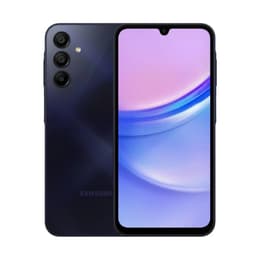
Galaxy A15 5G
Galaxy A15 5G
Starting at

Refurbished price:A$256.00

Versus A$329.00 new

See options
iPhone 16 Plus
iPhone 16 Plus
Starting at

Refurbished price:A$918.00

Versus A$1,599.00 new

See options

Ratings

The Samsung Galaxy A15 5G, released in late 2023, and the iPhone 16 Plus, launched in late 2024, represent distinct approaches to smartphone design and functionality. While the Galaxy A15 5G offers a feature-rich experience within the Android ecosystem, the iPhone 16 Plus provides Apple's latest advancements in performance and camera technology, running on iOS. This comparison will explore their core differences to help users determine which device best suits their daily needs.

Scores

Durability

The longevity of a smartphone is significantly influenced by its software support and physical durability. These two devices offer different timelines and build characteristics that impact their practical lifespan.

  • Software Updates: The iPhone 16 Plus, running on iOS 18 at launch, is expected to receive major iOS updates for approximately 5 to 7 years, with security patches extending even further, potentially until around 2036. The Galaxy A15 5G, launched with Android 14, is promised 4 major OS updates (up to Android 18) and 5 years of security updates, extending its support until at least 2028 or 2029.
  • Build Materials: The iPhone 16 Plus features a Ceramic Shield front, an aerospace-grade aluminum frame, and a color-infused glass back, contributing to its robust feel and IP68 dust and water resistance. The Galaxy A15 5G utilizes a plastic body and frame with a glass front, offering a durable yet more flexible construction.
  • Repairability: The iPhone 16 series has shown improved repairability, with some assessments giving it a score of 7 out of 10, an increase from previous generations. The Galaxy A15 5G is generally considered accessible for common repairs like screen replacements, though specific repairability scores are less widely published.

Performance

Performance is a key differentiator, impacting how smoothly applications run and how efficiently the device handles demanding tasks.

  • Processing Power: The iPhone 16 Plus is equipped with the A18 chip, designed for high-end performance and optimized for generative artificial intelligence tasks, ensuring smooth operation for complex applications and multitasking. The Galaxy A15 5G features a MediaTek Dimensity 6100+ processor, which provides reliable performance for everyday use and moderate multitasking, though some users might notice slight delays with more intensive applications.
  • Storage and Memory: The iPhone 16 Plus offers internal storage options up to 512GB, without the possibility of expansion. The Galaxy A15 5G comes with up to 256GB of internal storage and includes a microSD card slot, allowing users to expand storage by up to 1TB.
  • System Responsiveness: Users of the iPhone 16 Plus can expect a highly responsive experience across the operating system and applications, benefiting from its powerful processor. The Galaxy A15 5G delivers a generally smooth experience for typical smartphone activities, though it may exhibit occasional minor stutters when navigating quickly or switching between numerous demanding apps.

Memory (GB)

8 GB

8 GB

Screen quality

The display is the primary interface for interaction, and both devices offer distinct visual experiences.

  • Display Technology: The iPhone 16 Plus features a 6.7-inch Super Retina XDR OLED display, known for its deep blacks, high contrast, and vibrant color reproduction. The Galaxy A15 5G sports a 6.5-inch Super AMOLED display, which also delivers rich colors and good contrast, a notable upgrade for its category.
  • Resolution and Brightness: The iPhone 16 Plus offers a resolution of 2796 x 1290 pixels at 460 ppi, providing sharp and detailed visuals, with a peak outdoor brightness of 2000 nits for excellent visibility in bright conditions. The Galaxy A15 5G has a 1080 x 2340 pixel resolution (FHD+) and can reach up to 800 nits of brightness in high brightness mode, which is sufficient for most indoor and outdoor viewing.
  • Refresh Rate: The Galaxy A15 5G features a 90Hz refresh rate, contributing to smoother scrolling and a more fluid visual experience compared to standard 60Hz displays. The iPhone 16 Plus maintains a 60Hz refresh rate, providing a consistent visual experience for everyday tasks.

Audiovisual

Camera capabilities are often a deciding factor, and these devices cater to different photographic expectations.

  • Rear Camera System: The iPhone 16 Plus features an advanced dual-camera system, including a 48MP Fusion Main camera with sensor-shift optical image stabilization and a 12MP ultrawide lens. It supports super-high-resolution photos and offers a 12MP 2x telephoto option through the main sensor. The Galaxy A15 5G comes with a triple rear camera setup, consisting of a 50MP main sensor, a 5MP ultrawide lens, and a 2MP macro lens.
  • Photography Performance: The iPhone 16 Plus excels in capturing detailed and color-accurate images across various lighting conditions, with strong computational photography features and improved low-light performance. The Galaxy A15 5G's main camera performs well in good lighting, producing clear images, though its ultrawide and macro lenses are less capable, and low-light performance can be challenging without dedicated night mode.
  • Video Recording: Both devices are capable of recording high-quality video. The iPhone 16 Plus offers advanced video features, including cinematic modes and enhanced stabilization, while the Galaxy A15 5G records video at 1080p resolution at 30 frames per second.

Miscellaneous

Beyond the core features, several practical elements contribute to the overall user experience.

  • Connectivity and Ports: The iPhone 16 Plus supports Wi-Fi 7, Bluetooth 5.3, and features a USB-C port for charging and data transfer, but lacks a traditional headphone jack. The Galaxy A15 5G supports Wi-Fi 5, Bluetooth 5.3, and includes both a USB-C port (USB 2.0) and a 3.5mm headphone jack, offering more versatile audio connectivity.
  • Biometric Security: The iPhone 16 Plus relies on Face ID for secure facial recognition. The Galaxy A15 5G incorporates a side-mounted fingerprint sensor for biometric authentication.
  • Design and Handling: The iPhone 16 Plus has dimensions of 160.9 x 77.8 x 7.8 mm and weighs 199g, offering a premium feel with its aluminum frame and glass construction. The Galaxy A15 5G measures 160.1 x 76.8 x 8.4 mm and weighs 200g, featuring a plastic build that is comfortable to hold.

Screen size (in)

6.5

6.7

Network

5G

5G

SIM card

Physical SIM

Physical SIM + eSIM

Carrier compatibility

Unlocked

Unlocked

Choosing between the Samsung Galaxy A15 5G and the iPhone 16 Plus involves weighing different priorities in smartphone usage. User feedback for the Galaxy A15 5G often praises its excellent battery life, vibrant Super AMOLED display, and Samsung's commitment to software updates for a budget-friendly device. Some common criticisms point to its mid-range processor, which can feel less responsive with demanding tasks, and the less impressive performance of its secondary cameras.

The iPhone 16 Plus is generally lauded for its powerful performance, advanced camera system, and the long-term software support characteristic of Apple devices. Users appreciate its premium build and the seamless integration within the Apple ecosystem. Potential concerns might include the standard 60Hz refresh rate on its display, which some users accustomed to higher refresh rates might notice, and the absence of expandable storage or a headphone jack.

Users prioritizing a long-lasting battery, expandable storage, and the flexibility of the Android operating system, along with a 90Hz display for smoother scrolling, may find the Galaxy A15 5G well-suited to their needs. It serves as a reliable daily driver for communication, media consumption, and light productivity. Conversely, individuals who value top-tier performance, a highly capable camera for photography and videography, extended software longevity, and the iOS ecosystem will likely lean towards the iPhone 16 Plus. This device is ideal for those seeking a premium experience with robust security and a strong emphasis on computational power.

For those considering either device, exploring quality-assured refurbished options can provide an eco-friendly alternative, offering a sustainable choice without compromising on functionality.
See all articles

Our recent comparisons