
Compare models

Galaxy A15 5G vs Galaxy S26 Ultra

  • 1-year warranty
  • Free standard shipping
  • Free 30-day returns
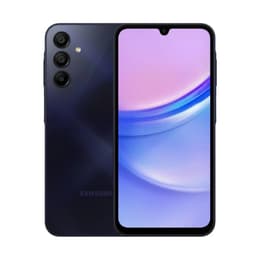
Galaxy A15 5G
Starting at

Refurbished price:A$219.00

Versus A$411.00 new

See options
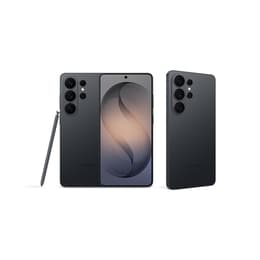
Galaxy S26 Ultra
Starting at

Refurbished price:A$1,516.00

Versus A$2,199.00 new

See options

Differences at a glance

The Samsung Galaxy A15 5G (2023) and the Samsung Galaxy S26 Ultra (2026) are distinct Android smartphones tailored for vastly different user priorities and release timelines. While both devices run on Google's Android operating system paired with Samsung's custom interface, they approach daily mobile computing from opposite spectrums of capability and engineering. The primary differentiators span generational processing power, professional-grade camera flexibility, and structural build materials.

Available Models

Colour

Storage (GB)

Scores

Durability

When evaluating structural longevity and software support, the two devices reflect their respective release years and market tiers. Choosing a quality-assured refurbished option provides access to high-end hardware like the Galaxy S26 Ultra while supporting sustainable technology habits.

  • Software Support Schedule: The Galaxy S26 Ultra provides an extensive multi-year update window extending up to seven major upgrades, whereas the Galaxy A15 5G features a shorter software lifecycle aligned with its entry-tier status.
  • Build Integrity: The Galaxy S26 Ultra incorporates advanced durable glass and a titanium or armor aluminum frame designed to withstand heavy wear, while the Galaxy A15 5G relies on standard plastic framing and glass construction.
  • Expected Lifespan: Both models utilize robust battery capacities, but high-end internal components ensure the Galaxy S26 Ultra maintains processing overhead for future software demands over a longer operational span.

Release year

2023

2026

Operating system

Android

Android

Foldable

No

No

Performance

Daily operation and speed diverge significantly based on internal hardware configurations and multitasking capacity. Both smartphones manage routine communication tasks efficiently, but heavy workloads reveal distinct operational thresholds.

  • Multitasking and App Handling: The Galaxy S26 Ultra features generous random access memory paired with a high-performance processor, handling intensive gaming and demanding creative applications smoothly, whereas the Galaxy A15 5G is optimized for everyday essentials like web browsing and messaging.
  • Storage and Expansion: The Galaxy S26 Ultra offers large baseline internal storage tiers with rapid file transfer speeds, while the Galaxy A15 5G provides moderate storage capacity complemented by a microSD card slot for expandable media storage.
  • Power Efficiency: Both devices house large 5000 mAh batteries, though power management optimization in the Galaxy S26 Ultra balances high screen refresh rates efficiently during prolonged usage sessions.

Screen quality

Visual output and display responsiveness vary to match distinct media consumption and outdoor viewing requirements. Both models incorporate high-contrast panel technology that brings content to life.

  • Display Technology and Clarity: The Galaxy S26 Ultra delivers a expansive dynamic panel with ultra-high resolution and advanced anti-reflective coatings, while the Galaxy A15 5G utilizes a crisp Super AMOLED screen with solid sharpness for daily viewing.
  • Brightness and Outdoor Legibility: The Galaxy S26 Ultra reaches significantly higher peak luminance levels for clear visibility under direct sunlight, compared to the moderate outdoor brightness of the Galaxy A15 5G.
  • Motion Smoothness: The Galaxy S26 Ultra supports an adaptive refresh rate scaling up to 120Hz for fluid scrolling, whereas the Galaxy A15 5G operates at a fixed 90Hz refresh rate.

Resolution

1080x2340

1440x3120

Audiovisual

Media capture capabilities represent one of the most prominent contrasts between these two mobile devices, affecting everything from casual snapshots to professional video production.

  • Lens Array Versatility: The Galaxy S26 Ultra features a comprehensive quad-camera system including ultra-wide, high-resolution main, and dual telephoto lenses for extensive optical zoom, while the Galaxy A15 5G equips a simpler triple-lens setup focused on standard wide and basic ultra-wide shots.
  • Low-Light and Video Performance: Advanced image processing sensors on the Galaxy S26 Ultra capture sharp details in dim environments and support high-resolution multi-format video recording, whereas the Galaxy A15 5G handles everyday daylight photography reliably at standard definitions.
  • Audio and Media Output: The Galaxy S26 Ultra incorporates rich stereo speakers and sensitive multi-microphone arrays for immersive media playback and clear voice capture, while the Galaxy A15 5G utilizes a basic mono loudspeaker setup.

Miscellaneous

Physical handling, accessory compatibility, and connectivity standards shape the everyday ergonomics and integration of each smartphone into existing tech ecosystems.

  • Connectivity Standards: The Galaxy S26 Ultra supports modern high-speed wireless bands and advanced Bluetooth protocols, while the Galaxy A15 5G covers standard 5G connectivity and traditional wireless networks.
  • Physical Dimensions and Handling: The Galaxy A15 5G is slightly lighter and features a traditional flat form factor, whereas the Galaxy S26 Ultra presents a larger, heavier chassis that accommodates an integrated stylus for productivity tasks.
  • Security and Biometrics: Both devices feature secure biometric authentication options, utilizing responsive in-display fingerprint sensors or facial recognition technologies for quick device access.

Weight

200 oz

214 oz

Screen size (in)

6.5

6.9

Network

5G

5G

SIM card

Physical SIM

Physical SIM + eSIM

Carrier compatibility

Unlocked

Unlocked

What the community thinks

User discussions across community forums highlight distinct preferences for each device depending on daily routines. Owners of the Galaxy A15 5G frequently praise its reliable battery longevity, clear display quality, and dependable everyday functionality for basic tasks. Conversely, users of the Galaxy S26 Ultra frequently commend its expansive screen real estate, versatile multi-lens camera system, and extensive processing headroom. Common criticisms for the entry-tier model center on limited multitasking capacity and mono audio output, while feedback on the flagship often notes its substantial physical footprint and heavier weight in the hand.

Users prioritizing productivity, advanced photography, and long-term software support may prefer the Galaxy S26 Ultra, while users focusing on essential communication, straightforward operation, and functional daily media viewing will find the Galaxy A15 5G well-suited to their needs. Exploring a quality-assured refurbished device provides an eco-friendly alternative for acquiring advanced technology while reducing electronic waste. Choosing between these smartphones ultimately depends on matching hardware capabilities with individual daily usage habits and functional expectations.