Compare models
Galaxy A14 5G vs Galaxy S26 Ultra
- 1-year warranty
- Free standard shipping
- Free 30-day returns
Differences at a glance
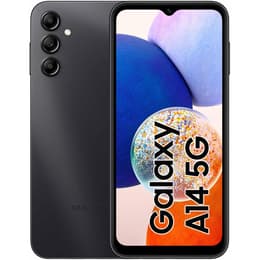
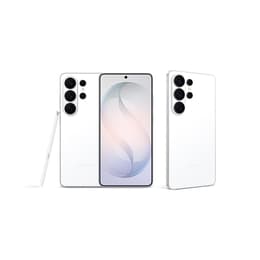
The Samsung Galaxy A14 5G (2023) and the Samsung Galaxy S26 Ultra (2026) represent two very different tiers within Samsung's smartphone lineup, serving distinct generations and design philosophies. While both devices support modern cellular connectivity and run on the Android operating system, they cater to vastly different user priorities through their hardware capabilities and release timelines. This comparison examines how their practical features, performance levels, and everyday usability measure up to help you determine which model aligns with your daily needs.
Available Models
Colour
Storage
Scores
Durability
When examining longevity, these two smartphones sit at opposite ends of the release spectrum, influencing how long they will remain supported by software updates.
- Software support window: The Galaxy S26 Ultra benefits from an extended multi-year software update commitment, whereas the older Galaxy A14 5G operates closer to the middle of its update lifecycle.
- Repairability and build: Both models feature solid physical construction, with the Galaxy S26 Ultra utilizing advanced armored framing and reinforced glass, while the Galaxy A14 5G relies on durable plastics designed for daily wear.
- Expected lifespan: Users can anticipate several years of functional service from both devices, though the newer model provides extended future-proofing for operating system upgrades.
Release year
2023
2026
Operating system
Android
Android
Foldable
No
No
Performance
Daily operation and speed vary significantly between these devices, reflecting their distinct internal hardware configurations and multitasking capacities.
- Storage and memory configurations: The Galaxy S26 Ultra offers high-capacity storage tiers paired with generous random access memory for heavy multitasking, whereas the Galaxy A14 5G provides standard entry-level storage with the option for expandable memory via a card slot.
- System responsiveness: Everyday tasks such as web browsing and messaging run smoothly on both models, but demanding applications and intense gaming load faster and maintain higher frame stability on the Galaxy S26 Ultra.
- Battery behavior: Both devices house large capacity batteries designed to last through a standard day of moderate usage, though charging speeds differ significantly when replenishment is required.
Screen quality
Display technology creates a major visual distinction between the two smartphones, affecting clarity, outdoor readability, and media consumption.
- Panel technology: The Galaxy S26 Ultra features an advanced organic light-emitting diode panel delivering deep black levels and vibrant colors, while the Galaxy A14 5G utilizes a standard liquid crystal display panel with a reliable resolution for everyday viewing.
- Brightness and outdoor use: High peak brightness levels on the Galaxy S26 Ultra ensure clear visibility under direct sunlight, whereas the Galaxy A14 5G requires shade for comfortable viewing in bright outdoor conditions.
- Refresh rate smoothness: Fast refresh rate capabilities on the Galaxy S26 Ultra provide fluid scrolling through menus, complementing the standard refresh rate found on the Galaxy A14 5G.
Resolution
1080x2408
1440x3120
Audiovisual
Photography and media recording capabilities vary widely, driven by the specialized lens arrays and processing hardware included in each model.
- Camera versatility: The Galaxy S26 Ultra incorporates a multi-lens array featuring high-resolution main sensors and dedicated optical zoom capabilities, compared to the simpler triple-lens setup on the Galaxy A14 5G.
- Low-light performance: Advanced image processing on the Galaxy S26 Ultra captures sharp, detailed photos in dim environments, while the Galaxy A14 5G performs best in well-lit daylight settings.
- Audio and video tools: High-definition video recording and multi-microphone setups on the Galaxy S26 Ultra offer enhanced audio-visual capture for content creation, whereas the Galaxy A14 5G handles casual video calls and basic recording adequately.
Miscellaneous
Practical physical design elements and connectivity features define how each device feels and operates in daily scenarios.
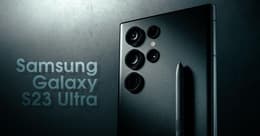
- Build and handling: The Galaxy S26 Ultra features premium glass and metal materials with an integrated stylus slot, while the Galaxy A14 5G offers a slightly thicker plastic chassis that houses a traditional headphone jack.
- Biometric security: Secure authentication is handled via responsive fingerprint sensors on both models, supplemented by facial recognition features.
- Connectivity standards: Both devices deliver reliable 5G cellular access, with the newer model supporting updated wireless communication protocols and faster data transfer standards.
Weight
202 oz
214 oz
Screen size (in)
6.6
6.9
Network
5G
5G
SIM card
Physical SIM
Physical SIM + eSIM
Carrier compatibility
Unlocked
Unlocked
What the community thinks
User feedback from online communities highlights distinct preferences for each device based on practical daily use. Owners of the Galaxy A14 5G frequently praise its reliable battery longevity, straightforward interface, and the inclusion of expandable storage alongside a physical headphone jack. Conversely, users of the Galaxy S26 Ultra emphasize appreciation for its expansive display clarity, versatile zoom photography, and smooth handling of demanding multitasking workflows. At the same time, some community members note that the heavier build and large footprint of the S26 Ultra require two-handed operation.
Users who prioritize essential communication, straightforward everyday tasks, and practical expandability will find the Galaxy A14 5G well-suited to their daily routines. Meanwhile, users prioritizing advanced photography, maximum processing capability, and a vibrant viewing experience may lean toward the Galaxy S26 Ultra. For those exploring sustainable choices, a quality-assured refurbished option provides an eco-friendly alternative that delivers reliable performance while supporting circular consumption habits. Ultimately, selecting the right device depends on aligning your specific usage habits with the core strengths of each model.