Dell Latitude 7490 14" vs Microsoft Surface Go 2 10"

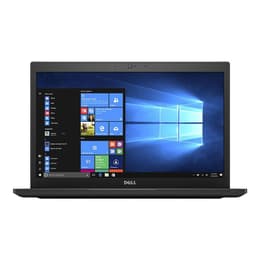
Dell Latitude 7490 14"
See options
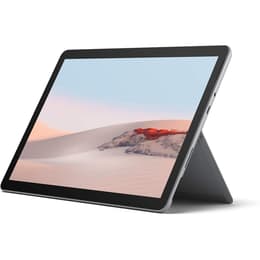
Microsoft Surface Go 2 10"
See options

The Dell Latitude 7490 (2018) and the Microsoft Surface Go 2 (2020) represent distinct approaches to portable computing. The Latitude 7490 is a traditional business-oriented laptop, emphasizing a robust build and comprehensive connectivity, while the Surface Go 2 is a compact 2-in-1 detachable tablet designed for portability and versatility. Both devices operate on the Windows ecosystem, offering familiar software experiences but catering to different user needs through their form factors and core capabilities.

Scores

Durability

These devices offer different longevity prospects based on their design and release timelines.

  • Release Timeline and OS Support: The Dell Latitude 7490, released in 2018, typically runs Windows 10, which reached its end of support for most versions on October 14, 2025. Users may need to upgrade to Windows 11 for continued feature and security updates, provided the hardware meets the requirements. The Microsoft Surface Go 2, launched in 2020, also runs Windows 10 Home in S mode (upgradable to full Windows 10) and benefits from a later release, potentially extending its Windows 11 support timeline further into the future.
  • Repairability and Practical Lifespan: The Latitude 7490 is designed with user serviceability in mind, featuring easily replaceable components such as the battery, M.2 SSD, and RAM, which can extend its practical lifespan through upgrades and repairs. In contrast, the Surface Go 2 is noted for being less user-repairable, with components often glued in place, meaning its hardware lifespan is more fixed from the point of purchase.
  • Software Longevity Expectations: While both devices run Windows, the Latitude 7490's older hardware might face limitations with future Windows 11 feature updates compared to the more recent Surface Go 2. However, the Latitude's upgradable RAM and storage can help it keep pace with software demands for longer.

Release year

2017

2018

Last Os Compatibility

Yes

Yes

Operating system

Windows 11

Windows 11

Performance

The performance profiles of these two devices are tailored to different usage scenarios, reflecting their underlying hardware and design philosophies.

  • Processor Capabilities: The Dell Latitude 7490 is equipped with 8th-generation Intel Core i5 or i7 processors, providing a solid foundation for demanding productivity tasks, multitasking, and moderate data processing. The Microsoft Surface Go 2, on the other hand, features Intel Pentium Gold or 8th-generation Intel Core m3 processors, which are suitable for lighter workloads such as web browsing, document editing, and streaming.
  • Multitasking and Responsiveness: With up to 32GB of upgradable DDR4 RAM, the Latitude 7490 offers substantial headroom for running numerous applications simultaneously and handling complex projects without significant slowdowns. The Surface Go 2 typically comes with 4GB or 8GB of RAM, which is sufficient for everyday tasks but may show limitations when managing many browser tabs or multiple applications concurrently.
  • Storage Options and Speed: Both devices offer SSD storage, contributing to faster boot times and application loading. The Latitude 7490 supports M.2 SSDs, including NVMe options, for quick data access. The Surface Go 2 offers eMMC or SSD storage, with SSD configurations providing better performance for file operations.
  • Battery Behavior: The Latitude 7490 generally provides 6 to 7.5 hours of real-world battery life with moderate use, with some configurations extending to 15 hours. The Surface Go 2 offers longer endurance for typical web browsing, often reaching 11.5 to 13.5 hours, making it well-suited for extended use away from a power outlet.

Memory (GB)

16 GB

8 GB

Processor

Core i7 - Gen 8 (U)

Core m3 - Gen 8 (Y)

Graphic card

Integrated Graphics

Intel UHD Graphics 615

Screen quality

The display characteristics of these devices cater to different viewing preferences and portability needs.

  • Display Technology and Resolution: The Dell Latitude 7490 features a 14-inch Full HD (1920x1080) IPS anti-glare display, providing sharp text and good color reproduction suitable for productivity tasks. The Microsoft Surface Go 2 has a smaller 10.5-inch PixelSense touchscreen with a 1920x1280 resolution and a 3:2 aspect ratio, offering a crisp image and more vertical screen real estate, which can be beneficial for document viewing.
  • Brightness and Outdoor Use: The Latitude 7490's screen typically offers brightness levels around 277-294 nits, which is adequate for indoor environments but may struggle in direct sunlight. The Surface Go 2 generally provides higher brightness, ranging from 390-408 nits, making it more comfortable for outdoor use or brightly lit conditions.
  • Viewing Experience: The Latitude 7490's larger screen size is advantageous for multitasking and extended work sessions, offering a more expansive visual workspace. The Surface Go 2's compact size and 3:2 aspect ratio are well-suited for tablet-style use and content consumption, with its touchscreen functionality enhancing interactive experiences.
  • Color Accuracy and Smoothness: The Latitude 7490's IPS panel delivers good color accuracy, with some configurations offering 100% sRGB coverage. The Surface Go 2 also boasts good color reproduction, covering 99-107% of the sRGB gamut, and its display generally avoids pulse-width modulation (PWM) above 76 nits, which can contribute to reduced eye strain during prolonged use.

Resolution

1366 x 768

1920 x 1280

Screen type

IPS

LCD

Audiovisual

The camera and audio capabilities of these devices are designed with their primary use cases in mind, from business conferencing to casual communication.

  • Camera System Capabilities: The Dell Latitude 7490 includes an HD fixed-focus webcam, typically offering 720p resolution, which is standard for basic video conferencing. The Microsoft Surface Go 2 features a more advanced camera setup, with a 5MP front-facing camera that supports 1080p video and Windows Hello facial recognition, and an 8MP rear-facing camera also capable of 1080p video recording.
  • Video Recording Quality: For video calls and casual recording, the Surface Go 2 provides clearer and more detailed visuals due to its higher resolution cameras. The Latitude 7490's 720p camera is functional but offers less clarity.
  • Microphone Quality: The Surface Go 2 incorporates dual Studio Mics, designed to enhance voice clarity and reduce background noise during calls, which is beneficial for remote work and online meetings. The Latitude 7490 features a standard microphone setup, suitable for general use.
  • Speaker Output and Media Consumption: The Latitude 7490's speakers are generally considered adequate for business use, though some users note they may not be particularly loud or rich. The Surface Go 2's 2W stereo speakers with Dolby Audio Premium offer a good audio experience for a tablet of its size, making it suitable for media consumption.

Miscellaneous

Beyond core performance, several practical elements differentiate these two devices, impacting their usability in various environments.

  • Connectivity Options: The Dell Latitude 7490 offers a comprehensive array of ports, including multiple USB 3.1 Gen1 ports, HDMI 1.4, Ethernet (RJ45), an SD 4.0 card reader, and a USB-C port with optional Thunderbolt 3, providing extensive compatibility with peripherals and networks. The Microsoft Surface Go 2, designed for portability, has a more streamlined selection, including a USB-C port, Surface Connect, a MicroSDXC card reader, and a 3.5mm headphone jack, with optional LTE for mobile connectivity.
  • Weight and Dimensions: The Latitude 7490 is a 14-inch laptop weighing between 1.4 kg and 1.56 kg, with a thickness of 17.9 mm, making it a portable but traditional laptop form factor. The Surface Go 2 is significantly lighter and more compact, weighing around 544g (Wi-Fi model) and measuring 8.3 mm thick, offering superior portability as a tablet.
  • Build Materials and Durability: The Latitude 7490 features a magnesium alloy casing, often with a carbon-fiber lid, contributing to its robust and durable build quality suitable for business travel. The Surface Go 2 also uses a magnesium body, providing a sleek and premium feel, and includes a built-in kickstand for versatile positioning.
  • Security and Authentication: Both devices support Windows Hello, with the Latitude 7490 offering an optional fingerprint reader (though user experiences vary) and the Surface Go 2 featuring facial recognition via its front-facing camera.

Weight

2500 oz

544 oz

Screen size

14

10

The Dell Latitude 7490 and Microsoft Surface Go 2 cater to distinct user profiles, each excelling in different areas of portable computing. The Latitude 7490 is frequently praised by users for its robust build quality, comfortable keyboard, and comprehensive port selection, making it a reliable workhorse for professionals and students who require a traditional laptop experience. Common criticisms sometimes point to its screen brightness in outdoor settings and the size of its trackpad.

Conversely, the Surface Go 2 receives acclaim for its exceptional portability, vibrant touchscreen display, and impressive battery life, positioning it as an ideal companion for those prioritizing mobility and a versatile 2-in-1 form factor. User feedback occasionally highlights its performance limitations for intensive tasks and the additional cost of essential accessories like the Type Cover keyboard.

Users prioritizing a durable, easily serviceable laptop with extensive connectivity for demanding productivity and multitasking will find the Dell Latitude 7490 well-suited to their needs. Its upgradable components also offer a pathway to extended use. For individuals who value extreme portability, a high-quality touchscreen for content consumption and light productivity, and longer battery life in a tablet-first design, the Microsoft Surface Go 2 presents a compelling option. Both devices offer a gateway to the Windows ecosystem, and considering a quality-assured refurbished option for either model can be an eco-friendly alternative to new purchases.


See all articles

Our recent comparisons