Dell Latitude 5310 13" vs Dell Latitude 7200 2-in-1 12"

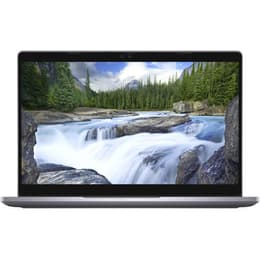
Dell Latitude 5310 13"
See options
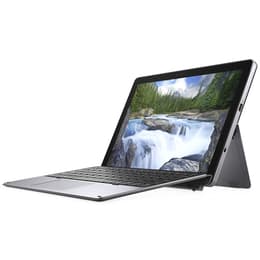
Dell Latitude 7200 2-in-1 12"
See options

The Dell Latitude 5310 13, released in 2020, and the Dell Latitude 7200 2-in-1 12, launched in 2019, are business-oriented devices designed for productivity and portability. While both operate on the Windows platform, they cater to different user preferences through their distinct form factors and internal specifications. The Latitude 5310 primarily functions as a traditional clamshell laptop, offering a larger display and more recent processing power, whereas the Latitude 7200 2-in-1 emphasizes versatility with its detachable keyboard and tablet mode.

Scores

Durability

When considering the long-term usability of these devices, their release timelines and design philosophies play a significant role. The Dell Latitude 5310, being a 2020 model, benefits from a slightly newer hardware generation, which can translate to extended software support and component longevity compared to the 2019-released Latitude 7200 2-in-1. Both devices are part of Dell's Latitude business line, known for robust construction and enterprise-level support.

  • Release Timeline: The Latitude 5310 was released in 2020, featuring 10th-generation processors, while the Latitude 7200 2-in-1 debuted in 2019 with 8th-generation processors. This difference in release year means the 5310 may receive operating system updates and security patches for a slightly longer duration.
  • Software Longevity: Both models are compatible with Windows 11, ensuring access to current software features and security updates. The Latitude series generally receives consistent driver and firmware support from Dell, contributing to a stable user experience over several years.
  • Repairability: The Latitude 5310 offers more straightforward access to internal components like RAM and storage, which are user-upgradable, potentially extending its practical lifespan. The Latitude 7200 2-in-1 allows for component replacement, including the SSD and battery, but requires more intricate disassembly, including the removal of the display.

Release year

2020

2019

Last Os Compatibility

Yes

Yes

Operating system

Windows 11

Windows 11

Performance

The performance capabilities of these two Latitude models are influenced by their respective processor generations and memory configurations, impacting how smoothly they handle daily tasks and multitasking.

  • Processor Capabilities: The Latitude 5310 features 10th-generation Intel Core processors, which generally provide a performance advantage over the 8th-generation processors found in the Latitude 7200 2-in-1. This translates to more responsive application loading and smoother operation for demanding business applications on the 5310.
  • Multitasking and Responsiveness: The Latitude 5310 supports up to 64GB of DDR4 RAM across two SODIMM slots, allowing for significant upgrades and enhanced multitasking capabilities. The Latitude 7200 2-in-1 typically comes with 8GB or 16GB of LPDDR3 RAM, which is soldered and not user-upgradable, potentially limiting its long-term multitasking headroom. Both devices utilize fast NVMe SSDs for quick boot times and efficient file access.
  • Battery Behavior: The Latitude 5310, equipped with a 60 Wh battery, generally offers extended usage, with real-world reports indicating up to 11 hours of battery life for typical use. The Latitude 7200 2-in-1, with its smaller 38 Wh battery, provides a shorter operational time, often requiring more frequent charging for users who are away from power outlets for extended periods.

Memory (GB)

16 GB

16 GB

Processor

Core i5 - Gen 10 (U)

Core i5 - Gen 8 (U)

Graphic card

Integrated Graphics

Integrated Graphics

Screen quality

The visual experience on these devices differs primarily in screen size, aspect ratio, and display technology, catering to varied preferences for content consumption and productivity.

  • Display Technology and Clarity: The Latitude 5310 typically offers a 13.3-inch Full HD (1920x1080) IPS display, providing clear visuals and comfortable viewing angles. The Latitude 7200 2-in-1 features a 12.3-inch display with a 1920x1280 resolution and a 3:2 aspect ratio, which offers more vertical screen real estate, beneficial for document work and web browsing.
  • Brightness and Outdoor Use: The Latitude 5310's display can reach up to 300 nits of brightness, making it suitable for indoor environments and moderately lit outdoor conditions. The Latitude 7200 2-in-1's display also offers adequate brightness for typical office use, though its glossy finish might be more prone to reflections in bright settings compared to the anti-glare options on the 5310.
  • Touch and Pen Support: The Latitude 7200 2-in-1, by its nature, includes a multi-touch display with native pen support, enhancing its versatility for note-taking and creative tasks. While the Latitude 5310 has 2-in-1 variants that offer touch and Gorilla Glass 5 protection, the standard clamshell model typically features a non-touch display.

Resolution

1920 x 1080

1920 x 1080

Screen type

IPS

LED

Camera

Audiovisual

For communication and media, both devices integrate essential audiovisual components, though with some distinctions in camera capabilities and overall sound experience.

  • Camera System: The Latitude 5310 is equipped with a 720p webcam, suitable for standard video conferencing. The Latitude 7200 2-in-1 offers a more advanced camera setup, featuring a 1080p front-facing webcam and an 8MP rear-facing camera, providing higher clarity for video calls and the flexibility for capturing images or scanning documents in tablet mode.
  • Microphone and Speakers: Both laptops include integrated microphones designed for clear voice capture during calls. The Latitude 5310 is noted for having clear and loud speakers, making it suitable for media consumption and online learning. The Latitude 7200 2-in-1 also provides dual stereo speakers with MaxxAudio Pro for an enhanced audio experience.
  • Video Recording: The 7200 2-in-1's 1080p front and 8MP rear cameras support higher quality video recording compared to the 5310's 720p webcam, which is primarily designed for basic video calls.

Miscellaneous

Beyond core performance and display, several practical elements contribute to the overall user experience, including connectivity, physical design, and security features.

  • Connectivity Options: The Latitude 5310 supports Wi-Fi 6 (802.11ax) and Bluetooth 5.0, offering faster wireless speeds and improved network efficiency. The Latitude 7200 2-in-1 uses Wi-Fi 5 (802.11ac) and Bluetooth 5.0. Both models offer optional LTE connectivity for mobile broadband.
  • Port Selection: The Latitude 5310 provides a comprehensive set of ports, including USB-C (with optional Thunderbolt 3), two USB-A ports, HDMI, a microSD card reader, and an Ethernet port. The Latitude 7200 2-in-1 stands out with two Thunderbolt 3 (USB-C) ports, a single USB-A port, and a microSD card reader, offering high-speed data transfer and versatile display output capabilities.
  • Design and Handling: The Latitude 5310, weighing around 1.22 kg, is a compact and durable laptop with an aluminum or magnesium chassis. The Latitude 7200 2-in-1 is lighter as a tablet (around 0.85 kg) and features a robust aluminum and magnesium build, designed for flexibility between laptop and tablet modes. The 5310 also includes a physical privacy shutter for the webcam.

Weight

7500 oz

851 oz

Screen size

13

12

The Dell Latitude 5310 13 and the Dell Latitude 7200 2-in-1 12 each present a compelling package for business users, with their own set of strengths and considerations. Users frequently praise the Latitude 5310 for its robust build quality, comfortable keyboard, and strong battery life, making it a reliable workhorse for extended periods. Its more modern processor is often highlighted for providing a snappier and more responsive experience for everyday tasks and multitasking. Some users have noted that the fan can become audible under heavy load when plugged in, though this is a common characteristic across many laptops.

Conversely, the Latitude 7200 2-in-1 is lauded for its exceptional versatility, allowing seamless transitions between a traditional laptop and a tablet. Its dual Thunderbolt 3 ports are a significant advantage for users requiring extensive peripheral connectivity and high-speed data transfer. However, a frequent criticism revolves around its comparatively shorter battery life, which may necessitate more frequent charging throughout a workday. The soldered RAM also limits future upgrade options.

Users prioritizing a traditional laptop experience with a larger screen, longer battery life, and upgradable components may find the Dell Latitude 5310 13 better suited to their needs. It offers a solid balance of performance and features for general productivity, office work, and online learning. On the other hand, individuals who value maximum portability, the flexibility of a 2-in-1 form factor, and advanced connectivity options like dual Thunderbolt 3 ports, might lean towards the Dell Latitude 7200 2-in-1 12, understanding its trade-offs in battery endurance and RAM upgradability. Both models are available as quality-assured refurbished options, providing an eco-friendly alternative for those seeking reliable business devices.

See all articles

Our recent comparisons