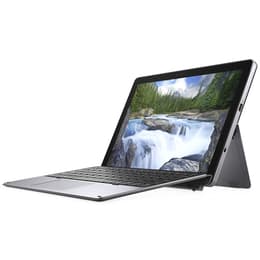

Dell Latitude 5420 14" vs Dell Latitude 7200 2-in-1 12"

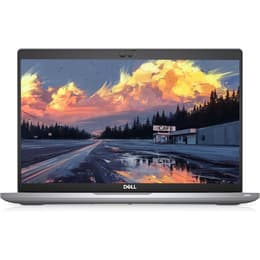
Dell Latitude 5420 14"
Starting at

Refurbished price:A$408.00

Versus A$1,199.00 new

See options
Dell Latitude 7200 2-in-1 12"
See options

The Dell Latitude 5420 14, released in 2021, and the Dell Latitude 7200 2-in-1 12, released in 2019, are business-oriented devices from Dell's Latitude series. While both are designed for productivity, their primary distinction lies in their form factor: the 5420 is a traditional clamshell laptop, whereas the 7200 offers a detachable 2-in-1 design. Both run on the Windows operating system, providing a familiar software environment for professional users.

Scores

Durability

The Dell Latitude 5420 14, released in 2021, benefits from a more recent manufacturing timeline compared to the 2019 Dell Latitude 7200 2-in-1 12. This difference in release year typically translates to a longer expected period of official software support and security updates for the 5420, ensuring extended usability.

  • Software Longevity: The Latitude 5420 is likely to receive operating system and security updates for a longer duration, extending its practical usability and safeguarding against evolving digital threats compared to the Latitude 7200. This provides a longer window of supported functionality.
  • Physical Construction: Both models are built with business-grade materials designed for daily professional use and travel. The Latitude 7200 features a robust magnesium alloy chassis and Gorilla Glass 6 for its display, offering significant protection in its tablet form. The Latitude 5420 also incorporates durable materials, often including reinforced plastics and carbon fiber, to withstand typical wear and tear and accidental bumps.
  • Repairability: Dell Latitude devices are generally designed with repairability in mind, allowing for component replacement to extend their lifespan. The 5420, being a more conventional laptop, might offer slightly easier access for certain internal repairs and upgrades compared to the more compact and integrated 2-in-1 design of the 7200, which can be more challenging to service.

Release year

2020

2019

Last Os Compatibility

Yes

Yes

Operating system

Windows 11

Windows 11

Performance

The performance capabilities of these two Latitude models reflect their respective release years and target use cases. The Dell Latitude 5420 14, with its newer internal components, generally offers a more responsive and efficient experience for demanding applications and intensive multitasking.

  • Processing Power: The Latitude 5420 features a more recent generation of processors (11th Gen Intel Core), providing enhanced speed and efficiency for everyday tasks, complex data analysis, and moderate content creation. The Latitude 7200, while perfectly capable for general office work and web browsing, relies on an older processor generation (8th Gen Intel Core), which may show limitations with more resource-intensive software.
  • Multitasking and Responsiveness: The 5420 typically supports higher capacities of faster DDR4 RAM (up to 64GB DDR4 3200 MHz), which contributes to smoother multitasking, quicker application loading times, and more fluid transitions between programs. Users running multiple applications simultaneously or working with larger datasets will likely notice the difference in overall system responsiveness. The 7200 supports up to 16GB LPDDR3 RAM.
  • Storage Options: Both devices offer solid-state drive (SSD) storage, ensuring fast boot times and quick access to files, which is a significant advantage over traditional hard drives. The 5420 may offer more modern NVMe SSD interfaces, potentially leading to slightly faster data transfer and read/write speeds for large files.

Memory (GB)

16 GB

16 GB

Processor

Core i5-1135G7

Core i5 - Gen 8 (U)

Graphic card

Intel Iris Xe Graphics

Integrated Graphics

Screen quality

The visual experience on these two Dell Latitude devices is influenced by their display technology, size, and form factor, catering to different user preferences and work styles. The Dell Latitude 5420 14 provides a larger viewing area, while the Latitude 7200 2-in-1 12 offers a more compact, touch-enabled display.

  • Display Technology and Size: The Latitude 5420 typically features a 14-inch IPS display, often available with Full HD (1920x1080) resolution, providing ample screen real estate for productivity tasks like document editing and spreadsheet management. The Latitude 7200 comes with a 12.3-inch touch-enabled IPS display, also usually Full HD (1920x1280), optimized for its tablet mode and portability.
  • Clarity and Brightness: Both displays offer good clarity for text and images, making them suitable for indoor office environments. The 5420 may offer higher brightness options (up to 400 nits on some configurations) and anti-glare coatings, which can be beneficial for working in varied lighting conditions or outdoors, reducing reflections. The 7200 typically offers around 300 nits of brightness.
  • Touch and Pen Support: The Latitude 7200's 2-in-1 design inherently includes multi-touch functionality and often supports an active pen, making it highly suitable for note-taking, sketching, or direct interaction with the screen during presentations. The 5420, as a traditional laptop, typically does not offer touch input, focusing instead on a conventional keyboard and trackpad experience, though touch screen options exist.

Resolution

1920 x 1080

1920 x 1080

Screen type

LCD

LED

Audiovisual

The audio and visual capabilities of the Dell Latitude 5420 14 and the Dell Latitude 7200 2-in-1 12 are designed to support professional communication and media consumption within a business context, with slight variations based on their form factors.

  • Camera Performance: Both devices include integrated webcams suitable for video conferencing. The 5420's camera often includes features like a physical privacy shutter for enhanced security, while the 7200, being a tablet, may offer both front and rear cameras for more versatile use cases, including quick photo capture or document scanning.
  • Microphone Quality: Both models are equipped with integrated microphones designed to capture clear audio for calls and virtual meetings. The 5420 often features dual-array microphones with noise reduction capabilities for better voice clarity in busy office environments, minimizing background distractions.
  • Speaker Output: The speakers on both devices are generally tuned for clear voice reproduction during video calls and for casual media playback. The 5420, with its larger chassis, might offer slightly fuller and louder sound compared to the more compact 7200, which prioritizes portability.

Miscellaneous

Beyond core performance and display, several practical elements differentiate the Dell Latitude 5420 14 and the Dell Latitude 7200 2-in-1 12, significantly impacting their usability in various professional scenarios.

  • Connectivity Options: The Latitude 5420 typically offers a broader and more comprehensive range of ports, including multiple USB-A and USB-C (Thunderbolt 4), a full-size HDMI port, and an Ethernet port, providing extensive connectivity for peripherals, external displays, and wired network access without the need for adapters. The Latitude 7200, due to its compact design, has a more limited port selection, usually including USB-C (Thunderbolt 3) and USB-A.
  • Portability and Handling: The Latitude 7200, as a detachable 2-in-1, offers superior portability in tablet mode, making it significantly lighter (starting around 0.85 kg for the tablet) and more convenient for on-the-go use, presentations, or field work. The Latitude 5420, while still portable for a 14-inch laptop (starting around 1.37 kg), is heavier and designed for a more traditional desk-based workflow, offering a stable typing experience.
  • Security Features: Both devices incorporate enterprise-grade security features, such as TPM 2.0 for hardware-based encryption and optional fingerprint readers or smart card readers for secure authentication. The 7200 may also offer Windows Hello facial recognition through its front camera, adding another layer of convenient security.

Weight

1370 oz

851 oz

Screen size

14

12

User feedback for the Dell Latitude 5420 14 often highlights its robust build quality, reliable performance for everyday business tasks, and comprehensive port selection as key strengths. Users appreciate its consistent performance and suitability for a traditional office setup. The Dell Latitude 7200 2-in-1 12 is frequently praised for its exceptional versatility, offering the flexibility of a tablet with the functionality of a laptop when paired with its detachable keyboard. Its compact size, touch screen, and pen support are often cited as significant benefits for mobile professionals. A recurring point of discussion for the 7200 relates to its battery life, which some users find requires more frequent charging during heavy use, a common trade-off for its ultra-portable design.

Users prioritizing a traditional laptop experience with a larger screen, extensive port options, and a longer expected software support window will find the Dell Latitude 5420 14 well-suited to their needs. This device is ideal for professionals who primarily work at a desk or require a stable, powerful machine for daily productivity. Conversely, individuals who value maximum portability, touch screen interaction, and the adaptability of a tablet form factor for presentations or on-the-go work may lean toward the Dell Latitude 7200 2-in-1 12. Its compact design and 2-in-1 nature make it a strong contender for those who need a highly adaptable device. Both models are available as quality-assured refurbished options, providing an eco-friendly alternative for consumers seeking reliable business devices.

See all articles

Our recent comparisons