
Compare models
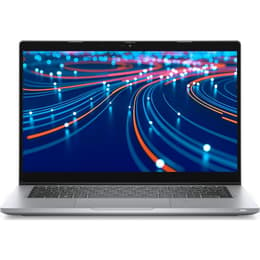
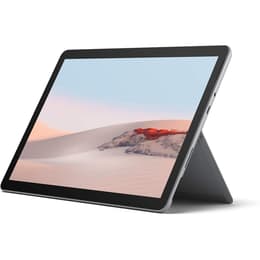
Dell Latitude 5320 13" vs Microsoft Surface Go 2 10"
- 1-year warranty
- Free standard shipping
- Free 30-day returns
Differences at a glance
The Dell Latitude 5320 13" (2021) and the Microsoft Surface Go 2 10" (2020) represent two distinct form factors within the portable computing landscape. While the Dell device is a traditional clamshell business laptop with a conventional keyboard layout, the Microsoft device functions as a compact 2-in-1 detachable tablet designed for ultimate mobility. Both run on Windows operating systems, but they target very different user workflows through their unique physical designs and sizing options.
Available Models
Storage (GB)
Processor
Memory (GB)
Scores
Durability
When evaluating hardware longevity and support timelines, these devices reflect their respective release years and intended commercial markets.
- Release timeline and support: The Dell Latitude 5320 arrived in 2021, giving it a slight age advantage over the Microsoft Surface Go 2 from 2020. Both benefit from standard Windows driver support cycles, though business-class machines like the Dell model typically receive extended BIOS and security updates.
- Repairability and build durability: The Dell model features a sturdy business chassis designed for standard office maintenance, whereas the compact tablet build of the Microsoft device makes component replacement more complex.
- Expected practical lifespan: Users can expect reliable multi-year performance from both choices, though choosing a quality-assured refurbished option provides a sustainable way to extend device utility while maintaining performance standards.
Release year
2021
2018
Last Os Compatibility
Yes
Yes
Operating system
Windows 11
Windows 11
Performance
System responsiveness and day-to-day processing capabilities differ significantly based on the internal hardware configurations of each device type.
- Storage and memory configurations: The Dell laptop offers robust solid-state storage capacity and higher memory options suited for intensive multitasking, while the Microsoft tablet features lighter configurations designed for basic application loads.
- Everyday task handling: Web browsing, document editing, and video calls run smoothly on both models, but the Dell variant manages heavier workloads and multiple open applications with greater thermal efficiency.
- Battery behavior: The larger footprint of the 13-inch laptop accommodates a higher-capacity battery for full-day office routines, whereas the smaller tablet prioritizes light travel weight over extended battery endurance.
Graphic card
Integrated Graphics
Integrated Graphics
Screen quality
Display characteristics shape the visual experience, balancing workspace area against overall physical dimensions.
- Display technology and size: The Dell Latitude 5320 features a 13.3-inch screen providing ample workspace for split-window multitasking, while the Microsoft Surface Go 2 utilizes a smaller 10.5-inch panel optimized for handheld viewing.
- Resolution and clarity: Both screens deliver sharp text and clear imagery for daily productivity, utilizing high-density panels that reduce eye strain during extended reading sessions.
- Outdoor usability: Adequate panel brightness levels on both models ensure legible content visibility under typical indoor lighting and moderate outdoor conditions.
Resolution
1920 x 1080
1920 x 1280
Screen type
LCD
LCD
Audiovisual
Multimedia components cater to remote communication needs and casual media consumption.
- Camera capabilities: Both devices include functional front-facing cameras suitable for virtual meetings and online classes, alongside optional sensor configurations for secure facial recognition logins.
- Audio output: Built-in stereo speakers provide clear sound delivery for conference calls and casual video streaming, complemented by dependable microphone arrays for voice clarity.
- Media consumption: The larger display and wider audio profile of the Dell laptop suit desk-based viewing, while the lightweight tablet design facilitates relaxed, handheld media viewing.
Miscellaneous
Physical design elements and peripheral compatibility define how each machine integrates into daily routines.
- Port selection: The Dell laptop provides a wide array of built-in connections including traditional USB ports and video outputs, whereas the Microsoft tablet relies heavily on a single USB-C port and a magnetic connector.
- Dimensions and handling: Weighing over a kilogram, the Dell model is built for stable desk placement, while the ultra-lightweight Microsoft tablet is exceptionally easy to slip into small bags for travel.
- Build materials: Both units utilize durable outer casings designed to withstand the rigors of frequent daily transport by students and professionals.
Weight
1320 oz
544 oz
Screen size
13
10
What the community thinks
User feedback from online communities highlights distinct operational preferences for each platform. Owners of the Dell Latitude 5320 frequently praise its dependable keyboard comfort, robust port selection, and reliable performance during multi-application office work. Conversely, users of the Microsoft Surface Go 2 often commend its featherlight portability, responsive touchscreen interface, and convenience as a portable note-taking companion. Common criticisms for the Dell model focus on its traditional laptop bulk compared to tablets, while Surface Go 2 owners occasionally note performance limits when handling demanding software and the added expense of acquiring a separate keyboard cover.
Users prioritizing expanded screen workspace, extensive peripheral connectivity, and traditional keyboard productivity will find the Dell Latitude 5320 well-suited to their requirements. Meanwhile, users prioritizing maximum portability, handheld reading comfort, and a lightweight travel footprint may lean toward the Microsoft Surface Go 2. Exploring a quality-assured refurbished option serves as an eco-friendly alternative that supports sustainable technology habits while delivering reliable performance for everyday computing needs.