Compare models
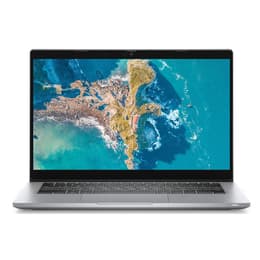
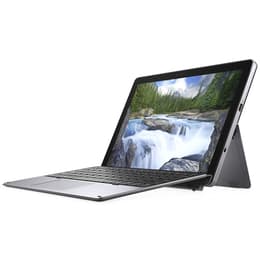
Dell Latitude 5320 13" vs Dell Latitude 7200 2-in-1 12"
- 1-year warranty
- Free standard shipping
- Free 30-day returns
Differences at a glance
The Dell Latitude 5320 13" (2021) and the Dell Latitude 7200 2-in-1 12" (2019) are versatile business-class portable computers designed for professional and academic environments. While the Latitude 5320 offers a traditional clamshell layout with newer internal components, the Latitude 7200 provides a flexible convertible form factor with a detachable keyboard. Both devices run on Windows operating systems and cater to users seeking dependable daily productivity, though they differ significantly in age and design structure.
Scores
Durability
The Dell Latitude 5320 and Latitude 7200 2-in-1 span different release windows, directly influencing their remaining software support and expected operational lifespan.
- Release timeline and age: The Latitude 5320 launched in 2021, providing a newer hardware baseline compared to the 2019 release date of the Latitude 7200.
- Software longevity expectations: The newer release window of the Latitude 5320 allows for an extended window of operating system and driver support.
- Repairability and build: Both commercial-grade chassis feature durable constructions designed for routine professional use, with accessible internal components that facilitate straightforward component maintenance.
Release year
2021
2019
Last Os Compatibility
Yes
Yes
Operating system
Windows 11
Windows 11
Performance
Performance capabilities vary noticeably between these machines due to their differing generational hardware iterations and thermal designs.
- Everyday multitasking: The Latitude 5320 handles demanding office applications, browser tabs, and video conferencing smoothly thanks to its current-generation processor and higher memory bandwidth.
- System responsiveness: The Latitude 7200 2-in-1 manages standard document editing and media playback reliably, though heavy application switching may reveal the limitations of its older hardware platform.
- Storage and configuration: Both models utilize fast solid-state storage architecture, ensuring rapid system boot times and quick file retrieval.
Graphic card
Intel Iris Xe Graphics
Integrated Graphics
Screen quality
Display characteristics differ in size, format, and interaction methods, shaping how each device handles daily visual tasks.
- Display technology and size: The Latitude 5320 features a traditional 13-inch non-detachable screen, whereas the Latitude 7200 utilizes a compact 12-inch touchscreen panel built for tablet integration.
- Clarity and resolution: Both options deliver sharp text rendering and clear details suitable for reading spreadsheets and viewing presentations.
- Form factor interaction: The Latitude 7200 supports active stylus input and tablet-mode navigation, while the Latitude 5320 prioritizes a rigid, stable viewing angle for lap use.
Screen type
LCD
LED
Audiovisual
Multimedia and communication features reflect their intended mobile collaboration use cases.
- Web conferencing: Both laptops include integrated webcams and microphone arrays suitable for remote meetings, virtual lectures, and video calls.
- Audio output: Built-in stereo speakers provide adequate sound clarity for voice communication and casual media consumption.
- Secondary optics: The Latitude 7200 includes a rear-facing camera configuration unique to its detachable tablet structure, which is absent on the standard clamshell design of the Latitude 5320.
Miscellaneous
Physical dimensions and connectivity options dictate how easily each computer integrates into mobile workflows and desk setups.
- Port selection: The Latitude 5320 incorporates modern universal serial bus type-C ports alongside traditional connectors, whereas the Latitude 7200 relies heavily on compact multi-use ports requiring adapters for legacy peripherals.
- Portability and weight: The Latitude 7200 2-in-1 offers a lighter, highly compact footprint when detached, while the Latitude 5320 maintains a balanced weight distribution for a standard laptop form factor.
- Security and sensors: Both devices offer enterprise-grade security additions, including optional biometric authentication features for secure sign-in.
Weight
1320 oz
851 oz
Screen size
13
12
What the community thinks
User feedback highlights distinct preferences for each machine depending on daily workflow requirements. Owners of the Dell Latitude 5320 frequently praise its reliable processing speeds, comfortable keyboard layout, and steady performance during long work sessions. Conversely, users favor the Dell Latitude 7200 2-in-1 for its compact footprint, tablet flexibility, and convenience during travel or note-taking. Common discussions note that the older processor in the 7200 limits intensive multitasking, while the 5320's traditional shell lacks the versatility of a detachable screen.
Users prioritizing maximum processing headroom, traditional laptop stability, and extended software lifespans will find the Dell Latitude 5320 well-suited to their needs. Meanwhile, users prioritizing ultra-portability, touch input, and a convertible design that transitions between tablet and laptop modes may lean toward the Dell Latitude 7200 2-in-1. Opting for a quality-assured refurbished option provides a sustainable choice that extends device lifecycles while matching individual productivity goals.