Compare models
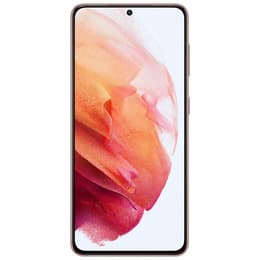
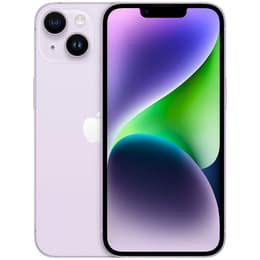
Galaxy S21 5G vs iPhone 14
- 1-year warranty
- Free standard shipping
- Free 30-day returns
Differences at a glance
The Samsung Galaxy S21 5G, released in January 2021, and the Apple iPhone 14, launched in September 2022, represent different generations and operating systems in the smartphone market. While both offer robust performance and advanced camera systems, they diverge significantly in their software ecosystems and display technologies. The Galaxy S21 5G runs on Android, offering a customizable experience, whereas the iPhone 14 operates on iOS, known for its streamlined interface and long-term software support.
Available Models
Colour
Storage (GB)
Scores
Durability
When considering the longevity of these devices, several factors come into play, primarily their release timelines and software support.
- Release Timeline and Age: The Galaxy S21 5G was released in January 2021, making it older than the iPhone 14, which launched in September 2022. This age difference directly impacts their remaining software support.
- OS Support Duration: Apple typically provides longer software support for its devices, meaning the iPhone 14 is expected to receive iOS updates for a year or two longer than the Galaxy S21 5G will receive Android updates. The Galaxy S21 5G launched with Android 11 and has received several major OS updates.
- Expected Practical Lifespan: Both devices are built with durable materials and are designed for everyday use. The iPhone 14 features a Ceramic Shield front cover, which Apple states is more durable than typical smartphone glass. The Galaxy S21 5G utilizes Corning Gorilla Glass Victus for screen protection. Users prioritizing the longest possible software support and access to the latest features might find the iPhone 14 to have a slightly extended practical lifespan due to its newer release and Apple's update policy.
Release year
2021
2022
Compatible with latest Update
Yes
Yes
Operating system
Android
iOS
Foldable
No
No
Performance
Both the Galaxy S21 5G and the iPhone 14 deliver capable performance for daily tasks, but their underlying hardware and software optimizations lead to distinct user experiences.
- Processor Capabilities: The iPhone 14 is equipped with a powerful processor that handles demanding applications and multitasking smoothly, offering a noticeable step up in raw power and efficiency for intensive tasks like gaming and video editing. The Galaxy S21 5G, powered by its own advanced processor, also provides smooth performance for everyday use and most demanding applications.
- Battery Behavior: The Galaxy S21 5G has a 4000 mAh battery, while the iPhone 14 has a 3279 mAh battery. Despite the difference in capacity, the iPhone 14's optimized software often results in comparable or even better real-world battery endurance for many users, with Apple reporting up to 20 hours of video playback. The Galaxy S21 5G is designed to last a full day for most users.
- Storage Options: Both devices offer various internal storage configurations, typically starting from 128GB and going up to 512GB, providing ample space for apps, photos, and videos.
Screen quality
The visual experience on both smartphones is vibrant and clear, though they employ different display technologies and refresh rates.
- Display Technology and Refresh Rate: The Galaxy S21 5G features a 6.2-inch Dynamic AMOLED 2X display with a 120Hz adaptive refresh rate, providing exceptionally smooth scrolling and fluid animations. The iPhone 14 comes with a 6.1-inch Super Retina XDR OLED display, offering excellent color accuracy and deep blacks, but it operates at a standard 60Hz refresh rate.
- Resolution and Clarity: Both phones offer high-resolution displays, with the Galaxy S21 5G at 2400 x 1080 pixels (421 ppi) and the iPhone 14 at 2532 x 1170 pixels (460 ppi), ensuring sharp text and detailed images.
- Brightness Levels: Both devices provide ample brightness for comfortable viewing in various lighting conditions. The iPhone 14 offers typical brightness of up to 800 nits and a peak brightness of 1200 nits for HDR content. The Galaxy S21 5G's Dynamic AMOLED 2X display also reaches high brightness levels, with a peak of 1300 nits.
Resolution
1080 x 2400
1170 x 2532
Screen type
Dynamic AMOLED 2X
Super Retina XDR OLED
Audiovisual
Both smartphones offer advanced camera systems capable of capturing high-quality photos and videos, though they differ in their hardware configurations and computational photography approaches.
- Camera System Capabilities: The Galaxy S21 5G features a versatile triple-lens rear camera system, including a 12MP wide-angle, a 64MP telephoto with 3x hybrid zoom, and a 12MP ultrawide lens, providing flexibility for various shooting scenarios. The iPhone 14 sports a dual-camera system with a 12MP main wide-angle lens and a 12MP ultrawide lens. The iPhone 14's front-facing camera is 12MP with autofocus, while the Galaxy S21 5G has a 10MP front camera.
- Photography Performance: The Galaxy S21 5G excels with its dedicated telephoto lens, offering enhanced zoom capabilities and detailed portrait shots. The iPhone 14 is praised for its consistent image processing, improved low-light performance, and new Photonic Engine for better detail and color in mid to low-light.
- Video Recording Quality: Both devices support high-resolution video recording. The Galaxy S21 5G can record 8K video at 24fps, along with 4K at 30/60fps. The iPhone 14 offers 4K Dolby Vision video recording at up to 60fps and includes features like Cinematic mode and Action mode for stabilized video.
Main camera
12 megapixels
12 megapixels
Front camera
10 megapixels
12 megapixels
Miscellaneous
Beyond core performance and display, several practical elements contribute to the overall user experience of these devices.
- Connectivity Options: Both phones support 5G connectivity for fast mobile data speeds and Wi-Fi 6 for efficient wireless networking. The iPhone 14 features Bluetooth 5.3, a newer standard compared to the Galaxy S21 5G's Bluetooth 5.0.
- Port Types: The Galaxy S21 5G uses a USB-C port for charging and data transfer. The iPhone 14 utilizes Apple's proprietary Lightning port.
- Biometric Security: The Galaxy S21 5G incorporates an ultrasonic fingerprint sensor embedded under the display, alongside face recognition. The iPhone 14 relies solely on Face ID for secure facial recognition.
- Build Materials and Durability: The iPhone 14 features a Ceramic Shield front and a glass back with an aluminum design. The Galaxy S21 5G has a plastic back (often referred to as 'Glasstic') and an aluminum frame, with Corning Gorilla Glass Victus protecting the display. Both devices carry an IP68 rating for dust and water resistance.
Weight
169 oz
172 oz
Screen size (in)
6.2
6,1
Network
5G
5G
SIM card
Physical SIM + eSIM
Physical SIM + eSIM
Carrier compatibility
Unlocked
Unlocked
What the community thinks
The Samsung Galaxy S21 5G and the iPhone 14 cater to users with distinct preferences, offering compelling features within their respective ecosystems. Users often praise the Galaxy S21 5G for its vibrant 120Hz AMOLED display and the versatility of its triple camera system, particularly the dedicated telephoto lens. Some users, however, have noted that the plastic back might feel less premium compared to glass, and battery life can vary depending on usage. The iPhone 14 is frequently lauded for its consistent performance, excellent camera quality, and the long-term software support provided by Apple. A common point of discussion among users is the 60Hz refresh rate, which some find less fluid than higher refresh rate displays available on other devices.
Users prioritizing a highly customizable Android experience, a smoother scrolling display, and the flexibility of a dedicated telephoto camera may find the Galaxy S21 5G well-suited to their needs. Conversely, those who value a streamlined user experience, extended software longevity, and a robust ecosystem with consistent camera performance will likely lean towards the iPhone 14. Both devices offer a quality-assured refurbished option, providing a sustainable choice for consumers looking to make an informed purchasing decision while also contributing to environmental responsibility.