
Compare models
iPhone SE (2022) vs Oppo Find X5 Lite
- 1-year warranty
- Free standard shipping
- Free 30-day returns
Differences at a glance
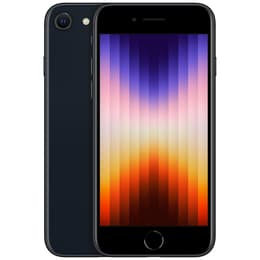
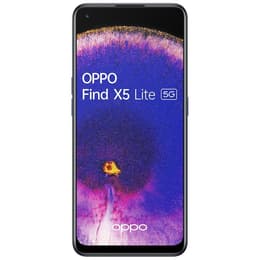
The iPhone SE (2022) and the Oppo Find X5 Lite (2022) are mid-range smartphones released in early 2022 that cater to distinctly different user preferences. While the iPhone SE relies on a compact form factor and Apple's iOS ecosystem, the Oppo Find X5 Lite focuses on a modern all-screen design, Android flexibility, and a media-centric feature set.
These devices differ primarily in their physical design approach and operating systems, with the iPhone running iOS and the Oppo running Android-based ColorOS.
Available Models
Colour
Storage
Scores
Durability
When evaluating structural longevity and software support, both devices offer solid multi-year backing through distinct update pathways typical of their respective operating systems.
- Software Support: The iPhone SE benefits from Apple's extended update timeline, typically receiving major operating system upgrades for five to six years from release. The Oppo Find X5 Lite provides several years of security patches and system updates under the Android ecosystem.
- Build Integrity: The iPhone SE features glass panels front and back paired with an IP67 water and dust resistance rating. The Oppo Find X5 Lite utilizes a slim plastic and glass construction with Gorilla Glass 5 protection, offering standard daily durability.
- Repairability: Both models feature established global repair networks, though component replacements for Apple devices are frequently standardized across authorized service channels.
Release year
2022
2022
Compatible with latest Update
Yes
No
Operating system
iOS
Android
Foldable
No
No
Performance
Underneath the exterior, these smartphones handle everyday applications, multitasking, and mobile gaming through different hardware configurations suited to varied usage styles.
- Storage Configurations: The iPhone SE is available in capacities starting at 64GB up to 256GB, whereas the Oppo Find X5 Lite comes standard with a spacious 256GB of onboard storage.
- System Responsiveness: The iPhone SE handles demanding applications and rapid multitasking smoothly through its high-performance processing hardware. The Oppo Find X5 Lite manages daily tasks, web browsing, and casual gaming reliably with its balanced mid-range processor and ample random access memory.
- Battery Behavior: The smaller battery capacity of the iPhone SE requires more frequent daily recharging for heavy users, while the Oppo Find X5 Lite comfortably spans a standard day of mixed usage and supports rapid charging routines.
Screen quality
The viewing experience represents one of the most substantial differences between the two devices, contrasting a classic compact display with an expansive modern panel.
- Display Technology: The iPhone SE uses a compact 4.7-inch IPS LCD screen featuring traditional bezels and a physical home button. The Oppo Find X5 Lite features a larger 6.43-inch AMOLED display with deep contrast levels and vibrant colors.
- Smoothness and Refresh Rate: The Oppo Find X5 Lite supports a 90Hz refresh rate for smoother scrolling through menus and web pages, whereas the iPhone SE maintains a standard 60Hz refresh rate.
- Outdoor Visibility: Both displays offer sufficient brightness levels for comfortable reading and media consumption under direct daylight conditions.
Resolution
750 x 1334
1080 x 2400
Screen type
Retina IPS LCD
AMOLED
Audiovisual
Imaging capabilities and media playback hardware vary significantly, giving users different tools for capturing memories and enjoying audio or video content.
- Camera Systems: The iPhone SE relies on a single rear 12-megapixel camera lens capable of producing clear everyday shots and stable video. The Oppo Find X5 Lite incorporates a versatile triple rear camera array featuring a 64-megapixel main sensor, an ultra-wide lens, and a macro sensor for close-up photography.
- Video and Front Capture: The Oppo device features a high-resolution 32-megapixel front-facing camera, while the iPhone handles self-portraits with a 7-megapixel front sensor and supports high-definition video recording modes.
- Audio Output: The iPhone SE provides stereo speaker output, whereas the Oppo Find X5 Lite includes a convenient 3.5mm headphone jack alongside its mono loudspeaker for wired audio connections.
Main camera
12 megapixels
64 megapixels
Front camera
7 megapixels
32 megapixels
Miscellaneous
Practical daily features, physical dimensions, and connectivity options shape the overall handling and utility of each smartphone.
- Connectivity Standards: Both models support 5G cellular networks, modern Wi-Fi standards, and Bluetooth for accessory pairing.
- Biometrics and Security: The iPhone SE utilizes physical fingerprint recognition via the classic home button, while the Oppo Find X5 Lite integrates an optical fingerprint reader directly beneath the display screen.
- Dimensions and Handling: Weighing 144 grams, the lightweight and narrow iPhone SE is well-suited for single-handed use and smaller pockets. The Oppo Find X5 Lite weighs 173 grams with a taller profile to accommodate its larger screen real estate.
Weight
144 oz
173 oz
Screen size (in)
4.7
6,43
SIM card
Physical SIM + eSIM
Physical SIM
Carrier compatibility
Unlocked
Unlocked
Connector
Lightning
USB-C + Jack 3.5mm
What the community thinks
Users prioritizing a compact physical footprint, long-term software support, and the iOS ecosystem will find the iPhone SE (2022) well-suited to their needs. Conversely, users who value an expansive AMOLED screen, higher refresh rates, expandable storage options via quality-assured refurbished retail channels, and a versatile multi-lens camera setup will lean toward the Oppo Find X5 Lite.
Reviewers and everyday consumers frequently praise the iPhone SE for its reliable performance and pocket-friendly size, though some note that its battery life and older display design feel dated. The Oppo Find X5 Lite receives positive feedback for its fast charging speeds and vibrant screen, while occasional criticisms focus on its mono speaker output.
Ultimately, the choice depends on personal preferences regarding operating systems, screen dimensions, and daily media consumption habits.