
iPhone 16 Pro Max vs Oppo Find X5 Pro 5G

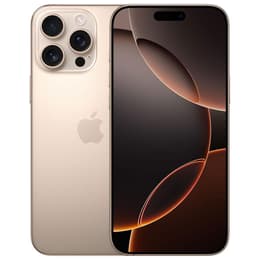
iPhone 16 Pro Max
iPhone 16 Pro Max
Starting at

Refurbished price:A$1,309.00

Versus A$2,149.00 new

See options
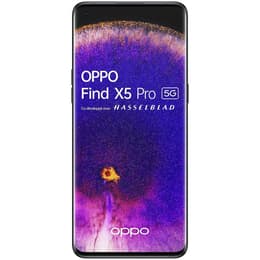
Oppo Find X5 Pro 5G
Oppo Find X5 Pro 5G
Starting at

Refurbished price:A$461.00

Versus A$2,708.00 new

See options

The iPhone 16 Pro Max, released in September 2024, and the Oppo Find X5 Pro 5G, launched in February 2022, represent distinct approaches to high-end smartphone design and functionality. While both devices offer premium experiences, key differences lie in their operating systems, camera technologies, and overall ecosystem integration. The iPhone operates on Apple's iOS, known for its long-term software support and integrated services, whereas the Oppo device runs on Android with Oppo's ColorOS overlay, offering a customizable experience.

Scores

Durability

The practical lifespan of a smartphone is influenced by its release timeline, software support, and physical durability.

  • Release Timeline: The iPhone 16 Pro Max is a more recent device, having been released in September 2024. The Oppo Find X5 Pro 5G was launched earlier, in February 2022. This difference in release dates means the iPhone benefits from newer components and a longer potential support window.
  • Software Longevity: Apple typically provides extensive software support for its iPhones, with the iPhone 16 Pro Max expected to receive major iOS updates until around 2031, offering approximately seven years of support. The Oppo Find X5 Pro 5G, running Android, generally receives 3-4 major Android version updates and 4-5 years of security updates, which is a shorter period compared to Apple's commitment.
  • Physical Durability: Both devices feature robust builds. The iPhone 16 Pro Max incorporates a titanium frame and the latest generation Ceramic Shield on the front, which Apple states is significantly tougher than previous iterations. It also has an IP68 rating for water and dust resistance. The Oppo Find X5 Pro 5G features Gorilla Glass Victus on its front display and a ceramic back, also boasting an IP68 rating for water and dust protection. While both are designed to withstand daily use, real-world drop tests indicate that glass components on both devices can still be susceptible to damage from impacts.

Release year

2024

2022

Foldable

No

No

Performance

Performance is a critical aspect for users, impacting everything from app responsiveness to demanding tasks like gaming and video editing.

  • Processing Power: The iPhone 16 Pro Max is equipped with Apple's A18 Pro chip, a 3nm processor designed for high efficiency and advanced computational tasks, including those related to artificial intelligence. This allows for smooth operation across various applications and intensive workloads. The Oppo Find X5 Pro 5G is powered by the Qualcomm Snapdragon 8 Gen 1 processor, which was a flagship chip at its release, providing strong performance for everyday use and gaming.
  • System Responsiveness and Multitasking: The iPhone 16 Pro Max, with its optimized iOS and powerful chip, offers fluid navigation and efficient multitasking, handling numerous open applications without significant slowdowns. The Oppo Find X5 Pro 5G, with its Snapdragon 8 Gen 1 and up to 12GB of RAM, also delivers a responsive user experience, capable of managing multiple applications and demanding games effectively.
  • Battery Behavior: The iPhone 16 Pro Max features a 4685 mAh battery, providing extended usage times, with some tests indicating over 17 hours of web browsing and up to 33 hours of video playback. The Oppo Find X5 Pro 5G comes with a 5000 mAh battery, offering good endurance for a full day of typical use. It also supports 80W fast wired charging and 50W wireless charging, allowing for quick power replenishment.

Memory (GB)

8 GB

12 GB

Screen quality

The display is the primary interface for user interaction, and both devices offer high-quality visual experiences.

  • Display Technology and Clarity: The iPhone 16 Pro Max features a 6.9-inch Super Retina XDR OLED display with a resolution of 2868 x 1320 pixels, resulting in sharp images and text. The Oppo Find X5 Pro 5G has a 6.7-inch LTPO2 AMOLED display with a QHD+ resolution of 3216 x 1440 pixels, also delivering excellent clarity and detail. Both displays offer vibrant colors and deep blacks characteristic of OLED technology.
  • Brightness and Refresh Rate: The iPhone 16 Pro Max's display supports HDR10 and Dolby Vision, with a typical brightness of 1000 nits and a peak brightness of 2000 nits, ensuring good visibility in various lighting conditions. It also features ProMotion technology, offering an adaptive refresh rate up to 120Hz for smooth scrolling and animations. The Oppo Find X5 Pro 5G's display also supports HDR10+ and has a peak brightness of up to 1300 nits. Its LTPO2 technology allows for an adaptive refresh rate that can scale from 1Hz to 120Hz, optimizing power consumption while maintaining fluidity.
  • Screen Size and Viewing Experience: The iPhone 16 Pro Max offers a slightly larger 6.9-inch display, providing an expansive canvas for media consumption and productivity. The Oppo Find X5 Pro 5G's 6.7-inch display also offers an immersive viewing experience, with curved edges contributing to a high screen-to-body ratio.

Resolution

1320 x 2868

1440 x3216

Audiovisual

Both smartphones prioritize advanced photography and videography capabilities, though they approach imaging with different philosophies.

  • Rear Camera Systems: The iPhone 16 Pro Max features a triple-lens rear camera system, including a 48MP main camera with sensor-shift optical image stabilization, a 48MP ultrawide camera optimized for low light, and a 12MP telephoto lens with 5x optical zoom. It also includes a LiDAR scanner for improved depth sensing. The Oppo Find X5 Pro 5G also has a triple-lens setup, with a 50MP main camera, a 50MP ultrawide camera with a wide field of view, and a 13MP telephoto lens offering 5x hybrid zoom.
  • Photography Performance: The iPhone 16 Pro Max excels in computational photography, delivering detailed images with accurate color reproduction and strong low-light performance. Its 48MP ultrawide camera is noted for significant improvements in capturing detail and quality in challenging lighting. The Oppo Find X5 Pro 5G benefits from Hasselblad color calibration and a dedicated MariSilicon X NPU, which enhances image processing, particularly for low-light video and natural color rendition.
  • Video Recording and Audio: The iPhone 16 Pro Max supports 4K Dolby Vision video recording at up to 120 frames per second, ProRes video, Cinematic mode, and Spatial video recording, offering extensive options for content creators. It also features studio-quality microphones for high-fidelity audio capture. The Oppo Find X5 Pro 5G offers 4K video recording and utilizes its MariSilicon X NPU for features like 4K Ultra Night Video, aiming for clear footage in dark environments. Both devices feature stereo speakers for media consumption.

Miscellaneous

Beyond core features, several practical elements contribute to the overall user experience and device utility.

  • Connectivity and Ports: The iPhone 16 Pro Max supports 5G, Wi-Fi 7, and Bluetooth 5.3, offering advanced wireless capabilities. It features a USB-C port for charging and data transfer. The Oppo Find X5 Pro 5G also supports 5G, Wi-Fi 6, and Bluetooth 5.2, providing reliable wireless connections. It also uses a USB-C port. The iPhone 16 Pro Max utilizes dual eSIM technology, while the Oppo Find X5 Pro 5G supports both physical Nano SIM and eSIM.
  • Biometric Security: The iPhone 16 Pro Max relies on Face ID for secure facial recognition. The Oppo Find X5 Pro 5G incorporates an in-display fingerprint sensor for biometric authentication, alongside face unlock capabilities.
  • Design and Handling: The iPhone 16 Pro Max has a titanium design, contributing to its strength and a relatively lightweight feel for its size. It measures 163 mm in height, 77.6 mm in width, and 8.25 mm in depth, weighing 227 grams. The Oppo Find X5 Pro 5G features a ceramic back and measures 163.7 mm in height, 73.9 mm in width, and 8.5 mm in depth, weighing 218 grams. The Oppo's curved design aims for a comfortable in-hand feel.

Weight

227 oz

218 oz

Screen size (in)

6.9

6,7

Network

5G

5G

SIM card

Physical SIM + eSIM

Physical SIM + eSIM

Carrier compatibility

Unlocked

Unlocked

User feedback for the iPhone 16 Pro Max frequently praises its exceptional battery life, often cited as one of the longest-lasting iPhones, and its powerful performance for demanding applications and gaming. Users also appreciate the advancements in its camera system, particularly the improved ultrawide lens and video capabilities. Some common criticisms revolve around its large size, which can make one-handed use challenging for some individuals, and the continued vulnerability of its glass components to drops despite durability enhancements.

For the Oppo Find X5 Pro 5G, users often highlight its vibrant and smooth AMOLED display, the unique ceramic design, and the fast charging speeds. The camera system, with its Hasselblad partnership and MariSilicon X NPU, generally receives positive remarks for color accuracy and low-light video. Criticisms sometimes point to its software update longevity compared to some competitors and its overall availability in certain markets.

Users prioritizing a device with the longest possible software support, a highly integrated ecosystem, and top-tier video recording capabilities may find the iPhone 16 Pro Max well-suited to their needs. Its robust performance and extended battery life also cater to power users. Conversely, individuals who value a highly customizable Android experience, extremely fast charging, and a distinct design aesthetic might lean towards the Oppo Find X5 Pro 5G. Both devices offer premium features, and choosing between them often comes down to personal preference for operating system and specific feature priorities. For those considering either of these powerful smartphones, exploring quality-assured refurbished options can provide an eco-friendly alternative.

See all articles

Our recent comparisons