
iPhone 16 Pro Max vs iPhone 16e

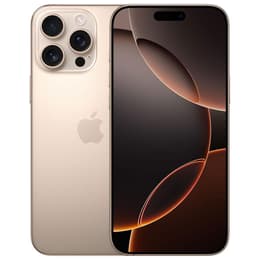
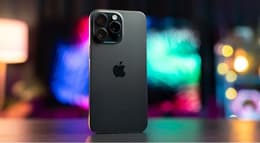
iPhone 16 Pro Max
iPhone 16 Pro Max
Starting at

Refurbished price:A$1,325.00

Versus A$2,149.00 new

See options
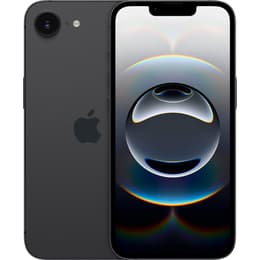
iPhone 16e
iPhone 16e
Starting at

Refurbished price:A$838.00

Versus A$999.00 new

See options

Ratings

The iPhone 16 Pro Max and iPhone 16E represent distinct offerings within Apple's smartphone lineup, released in September 2024 and February 2025, respectively. While both devices operate on the same core iOS platform and support Apple Intelligence features, they cater to different user priorities through variations in display technology, camera capabilities, and overall design. The iPhone 16 Pro Max emphasizes advanced features and a larger form factor, whereas the iPhone 16E focuses on delivering essential modern smartphone experiences in a more compact and streamlined package.

Scores

Durability

When considering the longevity of these devices, their release timelines and subsequent discontinuation dates are key factors. The iPhone 16 Pro Max was released in September 2024 and discontinued in September 2025, while the iPhone 16E, released in February 2025, was discontinued in March 2026. Both models launched with iOS 18 and are expected to receive several years of software updates, though the iPhone 16E, being discontinued more recently, might receive slightly longer support.

  • Software Longevity: Both devices launched with iOS 18 and are compatible with Apple Intelligence, ensuring access to current software features. The iPhone 16E, with its later discontinuation, may benefit from an additional year of major iOS updates compared to the iPhone 16 Pro Max.
  • Build Materials: The iPhone 16 Pro Max features a titanium design with a Ceramic Shield front and textured matte glass back, offering a robust and premium feel. The iPhone 16E utilizes an aluminum frame with a Ceramic Shield front and matte finished back glass, providing solid everyday durability.
  • Practical Lifespan: Users can expect both models to perform reliably for several years, handling daily tasks and applications smoothly. The choice between them for long-term use may depend more on desired features than on inherent durability differences, especially when considering a quality-assured refurbished option.

Release year

2024

2025

Foldable

No

No

Performance

Both the iPhone 16 Pro Max and iPhone 16E deliver capable performance for a wide range of tasks, powered by chips from the A18 series. The differences lie in their specialized capabilities for more demanding applications.

  • Processing Power: The iPhone 16 Pro Max is equipped with the A18 Pro chip, featuring a more advanced GPU with additional cores, which translates to smoother graphics rendering and faster processing for intensive tasks like high-fidelity gaming, professional video editing, and complex AI computations. The iPhone 16E uses the standard A18 chip, which still provides excellent speed and efficiency for everyday apps, multitasking, and general use, including Apple Intelligence features.
  • Multitasking and Responsiveness: Both devices come with 8GB of RAM, allowing for efficient multitasking and quick app switching without frequent reloads. Users will experience fluid navigation and rapid app launches on both models.
  • Storage Options: The iPhone 16 Pro Max offers higher maximum storage configurations, starting at 256GB and going up to 1TB, with a potential 2TB option, catering to users with extensive media libraries or large application needs. The iPhone 16E is available with 128GB, 256GB, or 512GB of storage, which is ample for most users.

Memory (GB)

8 GB

8 GB

Screen quality

The visual experience is a significant differentiator between these two iPhone models, primarily due to variations in display size, technology, and refresh rate.

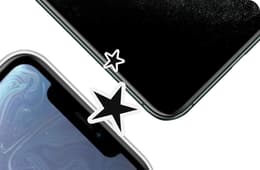
  • Display Technology and Size: The iPhone 16 Pro Max features a larger 6.9-inch Super Retina XDR OLED display, offering an expansive viewing area ideal for media consumption and productivity. It also incorporates Apple's Dynamic Island for interactive alerts and activities. The iPhone 16E has a more compact 6.1-inch Super Retina XDR OLED display, which is comfortable for one-handed use and features a traditional notch design.
  • Refresh Rate and Smoothness: The iPhone 16 Pro Max benefits from ProMotion technology, providing adaptive refresh rates up to 120Hz. This results in noticeably smoother scrolling, more responsive gaming, and a generally more fluid user interface experience. The iPhone 16E maintains a standard 60Hz refresh rate, which is perfectly adequate for most daily interactions but lacks the enhanced fluidity of ProMotion.
  • Brightness and Clarity: Both displays offer vibrant colors and deep blacks characteristic of OLED technology. The iPhone 16 Pro Max boasts higher peak brightness levels, especially for outdoor viewing and HDR content, making it more legible in bright sunlight. Both provide a sharp 460 pixels per inch resolution, ensuring clear text and detailed images.

Resolution

1320 x 2868

2532x1170

Audiovisual

The camera systems on the iPhone 16 Pro Max and iPhone 16E are designed for different levels of photographic versatility and advanced features.

  • Rear Camera System: The iPhone 16 Pro Max features a comprehensive triple-camera system, including a 48MP main sensor, a 48MP ultra-wide lens, and a 12MP 5x telephoto lens with a tetraprism design for extended optical zoom. This setup allows for greater flexibility in capturing various scenes, from expansive landscapes to distant subjects, with enhanced detail and low-light performance. The iPhone 16E is equipped with a single 48MP main camera that includes an integrated 2x telephoto capability, providing good quality everyday photos and basic zoom functionality.
  • Photography Features: The Pro Max model offers advanced capabilities such as shooting photos and videos in RAW format, more sophisticated computational photography, and a dedicated Camera Control button for quick access to video recording and photo capture. Both devices support Smart HDR 5, spatial audio recording, and Portrait mode with Portrait Lighting.
  • Video Recording and Front Camera: Both phones are capable of recording 4K video, with the iPhone 16 Pro Max supporting higher frame rates for more cinematic results. The iPhone 16 Pro Max also offers more advanced video features like 4K at 120fps. The iPhone 16E includes a 12MP TrueDepth front camera with autofocus, suitable for clear selfies and video calls, a feature also present on the Pro Max.

Front camera

12 megapixels

TrueDepth 12MP

Miscellaneous

Beyond core performance and display, several practical elements contribute to the overall user experience and differentiate these two iPhone models.

  • Connectivity and Ports: The iPhone 16 Pro Max supports Wi-Fi 7, offering faster wireless speeds and improved network efficiency compared to the iPhone 16E's Wi-Fi 6. Both devices feature USB-C ports for charging and data transfer. The iPhone 16E utilizes Apple's C1 5G modem, supporting sub-6GHz 5G, while the Pro Max offers broader 5G capabilities.
  • Biometric Security and Features: Both models rely on Face ID for secure authentication and convenient unlocking. The iPhone 16 Pro Max includes MagSafe for magnetic accessory attachment and wireless charging, a feature absent on the iPhone 16E. The Pro Max also features a new Capture Button, enhancing camera control.
  • Physical Design and Handling: The iPhone 16 Pro Max, with its larger display and titanium construction, is a heavier device at 227 grams, designed for users who prefer a substantial feel and maximum screen real estate. The iPhone 16E, weighing approximately 167 grams with an aluminum frame, offers a lighter and more compact design, making it easier for one-handed operation and pocketability.

Weight

227 oz

167 oz

Screen size (in)

6.9

6.1

Network

5G

5G

SIM card

Physical SIM + eSIM

Physical SIM + eSIM

Carrier compatibility

Unlocked

Unlocked

Connector

USB-C (USB 3)

USB-C

The iPhone 16 Pro Max and iPhone 16E, though part of the same generation, were designed to serve different user needs. The iPhone 16 Pro Max, released in September 2024, was praised by users for its expansive and fluid 120Hz ProMotion display, offering an immersive visual experience. Its advanced triple-camera system, including a dedicated telephoto lens and 48MP ultra-wide, was frequently highlighted for its versatility and professional-grade photography capabilities. Users also appreciated its robust titanium build and extended battery life, making it a preferred choice for power users and content creators. Some common criticisms, however, included its larger size and weight, which could be cumbersome for some users, and its higher initial cost.

Conversely, the iPhone 16E, launched in February 2025, garnered positive feedback for bringing modern iPhone features, such as an OLED display and the capable A18 chip, into a more accessible and compact form factor. Users often lauded its comfortable one-handed use and solid everyday performance. Its single 48MP main camera was generally considered excellent for casual photography, meeting the needs of most users without the complexity of multiple lenses. Criticisms sometimes pointed to its 60Hz display, which felt less fluid compared to higher refresh rate screens, and the absence of features like MagSafe and an ultra-wide camera, which some users missed.

Users prioritizing a large, high-refresh-rate display, advanced camera capabilities, and the most powerful processing for demanding tasks will find the iPhone 16 Pro Max well-suited to their needs. On the other hand, users who value a more compact design, excellent everyday performance, and a capable camera for general use, without the need for professional-grade features, may lean toward the iPhone 16E. Both devices offer a quality-assured refurbished option, providing an eco-friendly alternative for those seeking a reliable smartphone experience.
See all articles

Our recent comparisons