iPhone
Compare models
Differences at a glance
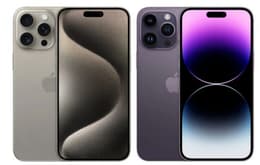
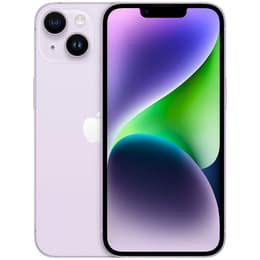
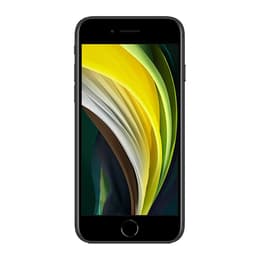
The iPhone 14, released in September 2022, and the iPhone SE (2nd generation), launched in April 2020, are both Apple smartphones running on the iOS operating system. While both devices offer a familiar user experience, they cater to different preferences, primarily differing in their display technology, physical design, and camera capabilities. The iPhone 14 represents a more modern design with an expansive screen, while the iPhone SE 2020 retains a compact form factor with a physical home button.
Colour
Storage
The practical lifespan of a smartphone is often influenced by its release date and the duration of software support it receives. These factors determine how long a device can continue to perform optimally and receive security updates.
Release year
Compatible with latest Update
Operating system
Foldable
Performance differences between these two models stem from their internal components, impacting how smoothly they handle applications and multitasking.
The visual experience is a significant differentiator, with distinct display technologies and sizes influencing daily use.
Resolution
Screen type
Camera capabilities vary significantly between these two models, impacting the quality and versatility of photos and videos.
Main camera
Front camera
Beyond core features, several practical elements contribute to the overall user experience and connectivity.
Weight
Screen size (in)
Network
SIM card
Carrier compatibility
Connector
Choosing between the iPhone 14 and the iPhone SE 2020 involves weighing modern features against a more traditional form factor and foundational capabilities. Users frequently praise the iPhone 14 for its vibrant OLED display, enhanced camera system, and longer battery life, making it suitable for those who consume a lot of media, prioritize photography, or require all-day power. Some users have noted occasional cellular connectivity issues with the iPhone 14, though this can often be carrier-related.
The iPhone SE 2020 is often appreciated for its compact size, the familiarity of Touch ID, and its ability to handle everyday tasks smoothly thanks to its capable processor. However, common criticisms include its smaller LCD display with larger bezels, and its less capable camera in challenging lighting conditions compared to newer models. Some users have also reported Wi-Fi connectivity issues with the iPhone SE 2020, which might be related to older router compatibility.
Users prioritizing a larger, more immersive display, advanced camera features, and future-proof 5G connectivity will find the iPhone 14 well-suited to their needs. Conversely, users who prefer a smaller device, the convenience of a physical home button with Touch ID, and a more traditional iPhone experience for essential tasks may lean toward the iPhone SE 2020. Both devices offer a reliable iOS experience, and opting for a quality-assured refurbished option can be an eco-friendly alternative to extend the life cycle of these devices.