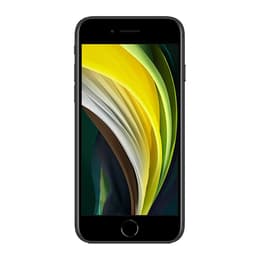

iPhone 14 Pro Max vs iPhone SE (2020)

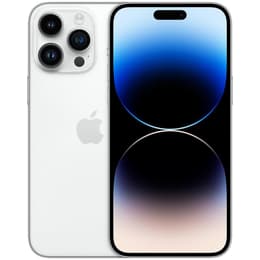
iPhone 14 Pro Max
iPhone 14 Pro Max
Starting at

Refurbished price:A$726.00

Versus A$1,899.00 new

See options
iPhone SE (2020)
iPhone SE (2020)
Starting at

Refurbished price:A$108.00

Versus A$529.00 new

See options

Ratings

The iPhone 14 Pro Max, released in September 2022, and the iPhone SE 2020, launched in April 2020, represent distinct approaches within Apple's smartphone lineup. While both operate on the iOS ecosystem, they cater to different user preferences through significant differences in design, display technology, and camera capabilities. The 14 Pro Max offers a larger, more advanced experience, whereas the SE 2020 provides a compact, traditional form factor.

Scores

Durability

When considering the longevity of these devices, their release timelines and subsequent software support are key factors. The iPhone 14 Pro Max, being a more recent model, benefits from a longer expected period of iOS updates compared to the iPhone SE 2020.

  • Software Support: The iPhone 14 Pro Max, released in 2022, is expected to receive iOS updates for approximately one to two years longer than the iPhone SE 2020, which was released in 2020. The iPhone SE 2020 originally shipped with iOS 13.4 and has received updates up to iOS 26.4 as of March 2026.
  • Physical Durability: The iPhone 14 Pro Max features a Ceramic Shield front cover, which Apple states offers enhanced drop performance compared to previous iPhone models. Both devices have water and dust resistance ratings, with the 14 Pro Max rated IP68 (up to 6 meters for 30 minutes) and the SE 2020 rated IP67 (up to 1 meter for 30 minutes).
  • Practical Lifespan: Users can expect the iPhone 14 Pro Max to remain a capable device for demanding tasks for a longer duration due to its newer internal components and extended software support. The iPhone SE 2020, while still functional, may show its age sooner in terms of performance with newer applications and operating system features.

Release year

2022

2020

Compatible with latest Update

Yes

Yes

Operating system

iOS

iOS

Foldable

No

No

Performance

The performance capabilities of these two iPhones vary considerably, primarily due to the generational gap in their internal processing hardware and memory configurations.

  • Processing Power: The iPhone 14 Pro Max is equipped with a more advanced processor, enabling it to handle demanding applications, complex multitasking, and graphics-intensive games with greater fluidity and speed. The iPhone SE 2020, while featuring a capable processor for its time, offers a more modest performance suitable for everyday tasks and less intensive applications.
  • Multitasking and Storage: The 14 Pro Max typically comes with more internal memory (RAM) and offers higher storage options, ranging up to 1TB, which contributes to smoother multitasking and allows for storing a larger volume of apps, photos, and videos. The iPhone SE 2020 has less RAM and storage options up to 256GB, which may lead to more frequent app reloads and storage management for users with extensive digital content.
  • Battery Behavior: The iPhone 14 Pro Max provides significantly longer battery life, capable of lasting through a full day of heavy use for most users. The iPhone SE 2020's smaller battery capacity means it often requires more frequent charging, especially for users who engage in prolonged screen-on activities like video streaming or gaming.

Memory (GB)

6 GB

3 GB

Screen quality

The visual experience offered by these two devices is a major point of differentiation, stemming from their distinct display technologies and design philosophies.

  • Display Technology and Clarity: The iPhone 14 Pro Max features a 6.7-inch Super Retina XDR OLED display, providing deep blacks, vibrant colors, and a high resolution of 2796 by 1290 pixels at 460 pixels per inch (ppi). In contrast, the iPhone SE 2020 has a 4.7-inch Retina HD LCD display with a resolution of 1334 by 750 pixels at 326 ppi. The OLED panel on the 14 Pro Max offers superior contrast and color accuracy.
  • Brightness and Smoothness: The 14 Pro Max boasts higher peak brightness levels, reaching up to 2000 nits outdoors, making it more legible in bright sunlight. It also incorporates ProMotion technology, offering an adaptive refresh rate up to 120Hz for smoother scrolling and more responsive interactions. The iPhone SE 2020 has a typical brightness of 625 nits and a standard 60Hz refresh rate.
  • Viewing Experience: The larger, edge-to-edge display of the 14 Pro Max, complemented by the Dynamic Island, provides a more immersive viewing experience for media consumption and productivity. The SE 2020's smaller screen and traditional bezels offer a more compact and pocketable device, suitable for users who prefer one-handed operation.

Resolution

1290 x 2796

750 x 1334

Screen type

LTPO Super Retina XDR OLED

Retina IPS LCD

Audiovisual

The camera systems on the iPhone 14 Pro Max and iPhone SE 2020 reflect different generations of Apple's imaging technology, offering varied capabilities for photography and videography.

  • Rear Camera System: The iPhone 14 Pro Max features a versatile triple-camera system, including a 48MP main sensor, a 12MP ultra-wide lens, and a 12MP telephoto lens with 3x optical zoom. This allows for greater detail, improved low-light performance, and more photographic flexibility. The iPhone SE 2020 has a single 12MP wide camera with optical image stabilization.
  • Photography Features: The 14 Pro Max benefits from advanced computational photography features like Photonic Engine, Deep Fusion, Smart HDR 4, and Night mode across all lenses, significantly enhancing image quality in various lighting conditions. It also supports ProRAW for professional users. The SE 2020 utilizes its processor for features like Smart HDR and Portrait mode for people, but lacks Night mode and the versatility of multiple lenses.
  • Video Recording and Audio: Both devices can record 4K video, with the 14 Pro Max offering more advanced options like Cinematic mode in 4K and Action mode for enhanced stabilization. The 14 Pro Max also provides superior microphone quality and stereo speaker output for a richer media experience. The SE 2020 offers solid video recording for its class, including 4K at up to 60fps, and features stereo speakers.

Main camera

48 megapixels

12 megapixels

Front camera

12 megapixels

7 megapixels

Miscellaneous

Beyond core performance and display, several practical elements contribute to the overall user experience and differentiate these two iPhone models.

  • Connectivity and Ports: The iPhone 14 Pro Max supports 5G cellular connectivity, offering faster download and upload speeds in compatible areas, along with newer Wi-Fi 6 and Bluetooth 5.3 standards. The iPhone SE 2020 supports 4G LTE, Wi-Fi 6, and Bluetooth 5.0. Both utilize the Lightning port for charging and data transfer.
  • Biometrics and Sensors: The 14 Pro Max relies on Face ID for secure authentication and features a LiDAR scanner for improved augmented reality experiences and low-light focusing. The iPhone SE 2020 uses the traditional Touch ID fingerprint sensor integrated into its Home button.
  • Design and Handling: The iPhone 14 Pro Max has a larger form factor, measuring 160.7 x 77.6 x 7.85 mm and weighing 240 grams, with a stainless steel frame. The iPhone SE 2020 is significantly more compact and lighter at 138.4 x 67.3 x 7.3 mm and 148 grams, featuring an aluminum frame. This difference in size greatly impacts one-handed usability and pocketability.

Weight

120 oz

148 oz

Screen size (in)

6.7

4.7

SIM card

Physical SIM + eSIM

Physical SIM + eSIM

Carrier compatibility

Unlocked

Unlocked

Connector

Lightning

Lightning

User sentiment for the iPhone 14 Pro Max often highlights its exceptional display quality, robust camera system, and extended battery life as key strengths. Users frequently praise the immersive viewing experience provided by its large OLED screen and the versatility of its advanced camera setup, particularly for low-light photography and video. Criticisms sometimes revolve around its substantial size and weight, which can make one-handed use challenging for some individuals. The Dynamic Island feature is generally well-received for its innovative approach to notifications and multitasking.

The iPhone SE 2020 is frequently lauded by users for its compact form factor and the familiarity of its traditional design, including the physical Home button with Touch ID. Its processing power, inherited from a flagship line, is often cited as a significant advantage for its segment, providing smooth performance for everyday tasks. However, common criticisms point to its relatively short battery life, especially for heavy users, and the limitations of its single-lens camera system, particularly the absence of a dedicated Night mode.

Users prioritizing a large, vibrant, and feature-rich display, along with a highly capable multi-lens camera system and all-day battery performance, will find the iPhone 14 Pro Max well-suited to their needs. This device is ideal for content creators, heavy media consumers, and those who value the latest technological advancements. Conversely, users who prefer a compact, lightweight device for easy one-handed use, and who primarily engage in everyday tasks, communication, and casual photography, may lean toward the iPhone SE 2020. It remains a practical choice for those seeking a familiar iPhone experience in a smaller package. Both models are available as quality-assured refurbished options, providing an eco-friendly alternative for consumers.
See all articles

Our recent comparisons