

Asus Zenfone 9 vs Galaxy S24 Ultra

Asus Zenfone 9
Asus Zenfone 9
See options
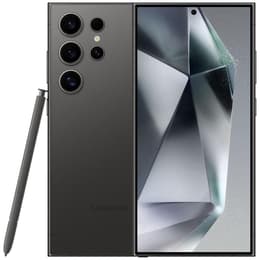
Galaxy S24 Ultra
Galaxy S24 Ultra
Starting at

Refurbished price:A$869.00

Versus A$1,882.00 new

See options

The Asus Zenfone 9, released in 2022, and the Samsung Galaxy S24 Ultra, launched in early 2024, represent distinct approaches to the modern smartphone. While the Zenfone 9 focuses on a compact form factor with flagship-level components, the Galaxy S24 Ultra offers a comprehensive, large-screen experience with advanced features. Both devices operate on the Android platform, but they cater to different user preferences regarding size, software longevity, and specialized capabilities.

Scores

Durability

When considering the long-term usability of these devices, their release timelines and software support policies are key differentiators.

  • Release and Updates: The Asus Zenfone 9, launched in September 2022, typically receives two major Android operating system updates and three years of security updates from its release date. This means it has likely reached its final major Android version update (Android 14) and will receive security patches for a limited time longer. [2, 11, 43, 44, 46] In contrast, the Samsung Galaxy S24 Ultra, released in January 2024, benefits from Samsung's commitment to seven years of OS upgrades and seven years of security updates, ensuring a significantly longer period of software support. [1, 6, 17, 21, 33, 36]
  • Practical Lifespan: The Zenfone 9's more limited update policy suggests a practical lifespan where it receives the latest software features for a shorter duration compared to the S24 Ultra. Users who prioritize having the newest Android versions and extended security coverage will find the S24 Ultra's policy more appealing for prolonged use.
  • Repairability: The Galaxy S24 Ultra has demonstrated a high repairability score, often rated around 9 out of 10, with features like easily replaceable batteries and accessible internal components. [3, 7, 8, 18] The Zenfone 9, while praised for its design, received a lower repairability score of 4.5 out of 10, indicating that repairs might be more challenging or costly. [10, 13, 20]

Release year

2022

2024

Compatible with latest Update

Yes

Yes

Operating system

Android

Android

Foldable

No

No

Performance

Both devices offer robust performance, but they achieve it with different hardware generations and cater to varying demands.

  • Processing Power: The Asus Zenfone 9 is equipped with a powerful processor from 2022, enabling smooth operation for demanding applications and multitasking. [2, 12, 26] The Samsung Galaxy S24 Ultra features a newer, custom-tuned processor designed for its ecosystem, providing enhanced capabilities for intensive tasks, advanced gaming, and on-device artificial intelligence features. [1, 4, 5, 22, 27, 39, 41]
  • Multitasking and Storage: The Zenfone 9 offers up to 16GB of RAM, which supports efficient multitasking, while the S24 Ultra comes with 12GB of RAM. [2, 11, 14, 27, 29] Both devices provide ample internal storage options, though neither offers expandable storage via a microSD card. [2, 11, 12, 14, 27, 29]
  • Battery Behavior: The Zenfone 9, despite its smaller size, is noted for its impressive battery longevity, often lasting a full day or more for many users due to its efficient components and smaller display. [2, 26, 32] The Galaxy S24 Ultra, with its larger battery capacity and optimized processor, also delivers excellent battery life, capable of enduring heavy usage throughout a day. [1, 5, 29, 39]

Memory (GB)

6 GB

12 GB

Screen quality

The visual experience on these smartphones differs significantly due to their display characteristics and size.

  • Display Technology and Size: The Asus Zenfone 9 features a compact 5.9-inch Super AMOLED display, offering vibrant colors and deep blacks, making it suitable for one-handed use. [2, 12, 19, 26, 30] The Samsung Galaxy S24 Ultra boasts a larger 6.8-inch Dynamic LTPO AMOLED 2X display, providing an expansive viewing area. [1, 4, 17, 24, 27, 29, 38]
  • Resolution and Brightness: The Zenfone 9 has a Full HD+ resolution (1080x2400 pixels) with a peak brightness of 1100 nits, ensuring clear visuals and good outdoor visibility. [2, 12, 19, 26, 30] The S24 Ultra offers a higher QHD+ resolution (1440x3120 pixels) and a significantly brighter peak of 2600 nits, which enhances clarity and readability even in direct sunlight. [1, 4, 17, 24, 27, 29, 38]
  • Refresh Rate and Protection: Both phones feature a 120Hz refresh rate for smooth scrolling and responsive interactions. [2, 12, 17, 19, 24, 26, 30] The Zenfone 9 uses Gorilla Glass Victus for screen protection, while the S24 Ultra incorporates the newer Gorilla Glass Armor, offering enhanced durability against scratches and drops. [2, 12, 17, 19, 24, 30]

Resolution

1080 x 2400

1440 x 3120

Screen type

Super AMOLED

Dynamic LTPO AMOLED 2X

Audiovisual

Both devices offer capable camera systems, but they approach photography with different hardware configurations and features.

  • Rear Camera Systems: The Asus Zenfone 9 features a dual-camera setup with a 50MP main sensor that includes a 6-axis gimbal stabilization system for steady shots and videos, alongside a 12MP ultrawide lens with macro capabilities. [11, 14, 26, 30, 32, 34, 37] The Samsung Galaxy S24 Ultra provides a versatile quad-camera system, including a 200MP main sensor, a 12MP ultrawide, a 50MP telephoto with 5x optical zoom, and a 10MP telephoto with 3x optical zoom, offering extensive zoom flexibility. [4, 17, 23, 29, 41]
  • Photography Performance: The Zenfone 9's main camera excels in capturing detailed images, especially with its gimbal stabilization aiding in low-light and video scenarios. [30, 32, 37] The S24 Ultra's high-resolution main sensor and multiple telephoto lenses provide exceptional detail and versatility across various lighting conditions and zoom levels, though some users note occasional shutter lag with fast-moving subjects. [5, 16, 39, 41]
  • Video and Audio: Both phones are capable of recording 8K video, with the Zenfone 9 supporting 8K at 24fps and the S24 Ultra at 30fps. [11, 23, 34, 39, 41] The Zenfone 9 includes a 3.5mm headphone jack and stereo speakers with Dirac tuning for a quality audio experience. [12, 32, 34] The S24 Ultra also features stereo speakers and advanced microphone technology for clear audio recording. [29, 39]

Main camera

50 megapixels

200 megapixels

Front camera

12 megapixels

12 megapixels

Miscellaneous

Beyond core specifications, several practical elements contribute to the overall user experience of these smartphones.

  • Connectivity and Ports: Both devices support 5G connectivity and modern Wi-Fi standards. The Zenfone 9 includes Wi-Fi 6/6E, while the S24 Ultra supports the newer Wi-Fi 7 (be) standard, offering potentially faster wireless speeds. [27, 28, 34] The Zenfone 9 retains a 3.5mm headphone jack, a feature absent on the S24 Ultra. Both utilize USB-C for charging and data transfer. [12, 15, 28]
  • Biometrics and Special Features: The Zenfone 9 features a side-mounted fingerprint sensor integrated into the power button, which also offers gesture controls. [12, 32] The Galaxy S24 Ultra incorporates an ultrasonic in-display fingerprint sensor and includes the integrated S Pen stylus, providing enhanced productivity and creative input. [1, 4, 5, 24]
  • Design and Build: The Zenfone 9 is notably compact and lightweight at 169g, with a plastic back and aluminum frame, making it comfortable for one-handed use. [2, 11, 15, 19, 26, 28, 30] The S24 Ultra is a larger and heavier device at 232g/233g, featuring a premium titanium frame and Gorilla Glass Armor on both the front and back for enhanced durability. [1, 4, 17, 24, 27, 29, 38] Both devices carry an IP68 rating for dust and water resistance. [2, 4, 15, 17, 24, 32, 38]

Weight

169 oz

232 oz

Screen size (in)

5.9

6.8

Network

5G

5G

SIM card

Dual Physical SIM

Physical SIM + eSIM

Carrier compatibility

Unlocked

Unlocked

The Asus Zenfone 9 and Samsung Galaxy S24 Ultra cater to distinct user needs, making the choice between them dependent on individual priorities. The Zenfone 9 is frequently praised by users for its compact size, making it one of the few modern flagship Android phones that can be comfortably operated with one hand. [26, 32] Its strong performance for its size and impressive battery life are also commonly highlighted as significant advantages. [26, 30, 32] However, a frequent criticism revolves around its limited software update policy, which offers fewer major Android versions compared to many competitors. [43, 44, 46]

The Samsung Galaxy S24 Ultra, on the other hand, receives consistent praise for its expansive and exceptionally bright display, its versatile and powerful camera system with extensive zoom capabilities, and its long-lasting battery. [5, 16, 39, 41] Users also appreciate the integrated S Pen for productivity and the industry-leading seven years of software support, ensuring a prolonged lifespan for the device. [6, 17, 31, 33, 36] Some users note that its large size and weight might not appeal to everyone, and its advanced features, while powerful, can sometimes lead to a more complex user interface. [5, 16]

Users prioritizing a compact, highly portable Android experience with solid performance and good battery life may find the Asus Zenfone 9 well-suited to their needs. Those who require the latest software for an extended period, desire a large, feature-rich display, a highly versatile camera system, and the added functionality of a stylus will likely lean towards the Samsung Galaxy S24 Ultra. Both devices offer quality-assured refurbished options, providing an eco-friendly alternative for consumers seeking to make informed and sustainable choices.


See all articles

Our recent comparisons