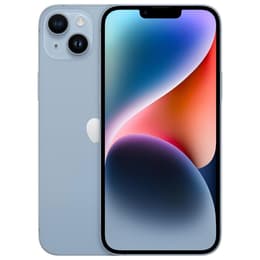
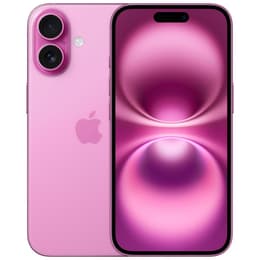
iPhone 14 Plus vs iPhone 16

iPhone 14 Plus
iPhone 14 Plus
Starting at

Refurbished price:A$480.00

Versus A$1,249.00 new

See options
iPhone 16
iPhone 16
Starting at

Refurbished price:A$949.00

Versus A$1,399.00 new

See options

Ratings

The iPhone 14 Plus, released in October 2022, and the iPhone 16, launched in September 2024, represent different generations within Apple's smartphone lineup. While both devices operate on Apple's iOS ecosystem, they cater to slightly different user preferences, primarily distinguished by screen size, processing power, and camera capabilities. The iPhone 14 Plus offers a larger display, whereas the iPhone 16 introduces a more advanced internal architecture and updated features.

Scores

Durability

When considering the long-term usability of these devices, several factors contribute to their expected lifespan, including software support and physical durability.

  • Release Timeline: The iPhone 14 Plus was released in October 2022, making it an older model compared to the iPhone 16, which debuted in September 2024. This difference in release year directly impacts the duration of future software updates.
  • Software Longevity: Apple typically provides iOS updates for 5-6 years from a device's release. The iPhone 16, being two years newer, is expected to receive software support for a longer period than the iPhone 14 Plus, ensuring access to the latest features and security enhancements for an extended time. The iPhone 14 Plus launched with iOS 16, while the iPhone 16 launched with iOS 18.
  • Physical Durability: Both models feature a Ceramic Shield front cover and an aluminum design, offering a similar level of protection against drops and scratches. They also share an IP68 rating for water and dust resistance, allowing submersion up to 6 meters for 30 minutes.

Release year

2022

2024

Compatible with latest Update

Yes

Yes

Foldable

No

No

Performance

The performance of a smartphone is crucial for daily tasks, from app usage to multitasking and gaming. These two models offer distinct experiences in this regard.

  • Processing Capabilities: The iPhone 14 Plus is powered by the A15 Bionic chip, which provides smooth performance for most applications and everyday use. The iPhone 16, however, features a newer-generation A18 chip, offering enhanced speed and efficiency. This translates to faster app loading times, more fluid multitasking, and improved handling of graphically intensive games and applications on the iPhone 16.
  • Battery Behavior: The iPhone 14 Plus is known for its robust battery life, offering up to 26 hours of video playback. The iPhone 16, while featuring a more efficient processor, has a smaller battery capacity, providing up to 22 hours of video playback. Users who prioritize extended usage without recharging may find the iPhone 14 Plus more suitable for their needs.
  • System Responsiveness: The newer A18 chip in the iPhone 16 contributes to a more responsive overall system, particularly noticeable in demanding scenarios or when navigating through the operating system. The iPhone 14 Plus, while still capable, may exhibit slight delays in comparison when handling the most intensive tasks.

Memory (GB)

6 GB

8 GB

Screen quality

The display is a primary interface for any smartphone, and both the iPhone 14 Plus and iPhone 16 offer high-quality viewing experiences with some key differences.

  • Display Technology and Size: The iPhone 14 Plus features a larger 6.7-inch Super Retina XDR OLED display, providing an expansive viewing area. In contrast, the iPhone 16 comes with a 6.1-inch Super Retina XDR OLED display, offering a more compact form factor. Both utilize OLED technology for deep blacks and vibrant colors.
  • Resolution and Clarity: Both devices offer high pixel densities, with the iPhone 14 Plus at 458 pixels per inch (ppi) and the iPhone 16 at a similar density for its screen size, ensuring sharp text and detailed images.
  • Brightness and Refresh Rate: Both models achieve a peak brightness of 1200 nits for HDR content, with typical brightness around 800 nits, ensuring good visibility in various lighting conditions. Both the iPhone 14 Plus and the standard iPhone 16 feature a 60Hz refresh rate, which provides a smooth experience for most content, though it does not offer the ultra-smooth motion of higher refresh rate displays found in Pro models.

Resolution

1284 x 2778

1179 x 2556

Screen type

Super Retina XDR OLED

Super Retina XDR OLED

Audiovisual

Camera capabilities are a significant consideration for many users, and both iPhones offer advanced photographic and videographic tools, with the newer model introducing notable enhancements.

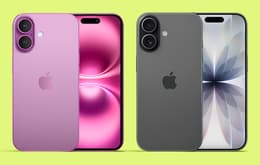
  • Camera System: The iPhone 14 Plus features a dual-camera system with a 12MP Main camera (f/1.5 aperture) and a 12MP Ultra Wide camera (f/2.4 aperture). The iPhone 16 upgrades the main camera to 48MP (f/1.6 aperture) and retains a 12MP Ultra Wide camera with an improved f/2.2 aperture, allowing for better low-light performance.
  • Photography Performance: The iPhone 16 introduces macro photography capabilities to the standard models for the first time. Both phones benefit from Apple's computational photography features like Photonic Engine and Deep Fusion for improved image processing, especially in challenging lighting. The iPhone 16's larger main sensor and wider aperture on the ultrawide lens contribute to capturing more detail and light.
  • Video Recording and Features: Both devices support 4K video recording, Cinematic mode, and Action mode for stabilized video. The iPhone 16 features a new vertical camera layout that enables spatial video recording, a feature not available on the iPhone 14 Plus. Additionally, the iPhone 16 introduces a new Capture Button, offering enhanced camera control.

Main camera

12 megapixels

48 megapixels

Front camera

12 megapixels

12 megapixels

Miscellaneous

Beyond core performance and display, several practical elements differentiate these two smartphones, impacting daily convenience and user interaction.

  • Connectivity and Ports: The iPhone 14 Plus supports 5G and Wi-Fi 6, along with Bluetooth 5.3. It uses the Lightning port for charging and data transfer. The iPhone 16 also supports 5G but upgrades to Wi-Fi 7, offering potentially faster and more stable wireless connections. A significant change is the adoption of the USB-C port on the iPhone 16, aligning with newer industry standards.
  • Sensors and Interaction: Both models feature Face ID for secure authentication. The iPhone 14 Plus includes safety features like Crash Detection and Emergency SOS via satellite. The iPhone 16 introduces a new Capture Button, providing dedicated physical control for camera functions.
  • Physical Characteristics: The iPhone 14 Plus measures 160.8 x 78.1 x 7.8 mm and weighs 203 grams, offering a larger form factor. The iPhone 16, with its 6.1-inch display, is more compact, making it potentially easier for one-handed use and carrying. Both are constructed with an aluminum frame and glass back.

Weight

203 oz

170 oz

Screen size (in)

6,7

6.1

Network

5G

5G

SIM card

Physical SIM + eSIM

Physical SIM + eSIM

Carrier compatibility

Unlocked

Unlocked

Connector

Lightning

USB-C (USB 2)

User feedback for the iPhone 14 Plus often highlights its excellent battery life and large display as significant advantages, making it a preferred choice for media consumption and users who value screen real estate. Some common criticisms, however, point to its 60Hz display refresh rate and the use of an older processor compared to its Pro counterparts at the time of its release. The iPhone 16, on the other hand, is praised for its enhanced performance, improved camera system with new features like macro photography and spatial video, and the modern USB-C port. Users appreciate the advancements in processing power and the introduction of Apple Intelligence for a more integrated and intelligent user experience. Potential concerns for the iPhone 16 might include its smaller screen size compared to the 14 Plus, and a slightly reduced battery endurance in terms of video playback.

Users prioritizing a larger display and exceptional battery life for extended usage may find the iPhone 14 Plus well-suited to their needs. Its expansive screen is ideal for watching videos, browsing, and general productivity. Conversely, users who prioritize the latest processing power, advanced camera capabilities including macro photography and spatial video, and the convenience of a USB-C port will likely lean towards the iPhone 16. Its more compact size also appeals to those seeking a device that is easier to handle. Both devices offer a quality experience within the Apple ecosystem, and choosing between them depends on whether a larger display and longer battery life (14 Plus) or cutting-edge performance and camera features (16) are the primary decision factors. Opting for a quality-assured refurbished option for either model presents an eco-friendly alternative for consumers.

See all articles

Our recent comparisons