Compare models
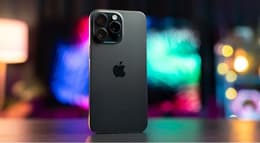
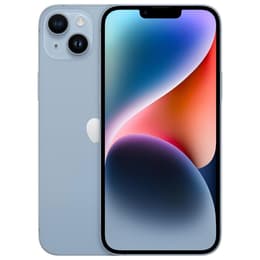
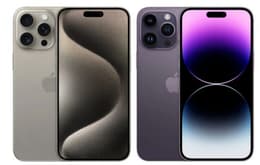
iPhone 14 Plus vs iPhone 15 Pro
- 1-year warranty
- Free standard shipping
- Free 30-day returns
Differences at a glance
The iPhone 14 Plus, released in October 2022, and the iPhone 15 Pro, launched in September 2023, represent different tiers within Apple's smartphone lineup. While both devices operate on Apple's iOS ecosystem, the iPhone 15 Pro introduces a more advanced processor, a versatile camera system, and a refined design, distinguishing it from the larger-screened iPhone 14 Plus. This comparison will explore the practical differences between these two models to help users make an informed decision based on their individual needs.
Available Models
Colour
Storage (GB)
Scores
Durability
When considering the longevity of a smartphone, several factors come into play, including software support, physical resilience, and ease of repair.
- Software Support: The iPhone 15 Pro, being a newer device, is expected to receive major iOS updates for a longer period than the iPhone 14 Plus. The iPhone 14 Plus launched with iOS 16, while the iPhone 15 Pro launched with iOS 17, meaning the Pro model will likely benefit from an additional year of feature updates and security patches, extending its functional lifespan.
- Physical Durability: Both models feature Ceramic Shield on the front and an IP68 rating for water and dust resistance. The iPhone 14 Plus uses an aluminum frame and glass back. The iPhone 15 Pro, however, introduces an aerospace-grade titanium frame, which is strong and lightweight. While the iPhone 15 Pro's back glass is designed for easier repair, some durability tests have indicated that its back glass may be more prone to cracking under certain bend pressures compared to previous models.
- Repairability: Both the iPhone 14 Plus and iPhone 15 Pro feature internal designs that facilitate easier access for repairs, particularly concerning the back glass. This design choice can contribute to a longer practical lifespan by making potential repairs more straightforward.
Release year
2022
2023
Compatible with latest Update
Yes
Yes
Operating system
iOS
iOS
Foldable
No
No
Performance
The performance of a smartphone is largely determined by its internal processing capabilities, impacting everything from app responsiveness to multitasking efficiency.
- Processing Power: The iPhone 14 Plus is equipped with a capable processor that handles everyday tasks, demanding applications, and graphics-intensive games smoothly. The iPhone 15 Pro features a newer, more advanced processor that offers enhanced CPU and GPU speeds, resulting in noticeably faster app loading times, smoother multitasking, and superior performance in graphically demanding games and professional applications.
- System Responsiveness: Users of the iPhone 15 Pro will experience a more immediate and fluid interaction with the device due to its upgraded processing unit and increased RAM. The iPhone 14 Plus provides a responsive experience for most users, but the Pro model offers additional headroom for future software and more intensive workloads.
- Multitasking and Storage: The iPhone 14 Plus comes with 6GB of RAM, which is sufficient for typical multitasking. The iPhone 15 Pro includes 8GB of RAM, allowing for more applications to run simultaneously in the background without performance degradation. Both devices offer various storage configurations, with the iPhone 15 Pro extending to a 1TB option, catering to users with extensive storage needs.
Screen quality
The display is a primary interface for smartphone interaction, and both models offer high-quality viewing experiences with distinct differences.
- Display Technology and Size: The iPhone 14 Plus features a large 6.7-inch Super Retina XDR OLED display, providing ample screen real estate for media consumption and productivity. The iPhone 15 Pro has a slightly smaller 6.1-inch Super Retina XDR OLED display. Both utilize OLED technology, delivering deep blacks and vibrant colors.
- Refresh Rate and Smoothness: A key differentiator is the refresh rate. The iPhone 14 Plus has a standard 60Hz refresh rate. The iPhone 15 Pro, however, incorporates ProMotion technology, offering adaptive refresh rates up to 120Hz. This results in noticeably smoother scrolling, more fluid animations, and a more responsive feel during gaming and general navigation.
- Brightness and Features: Both displays offer excellent brightness for indoor and outdoor viewing, with the iPhone 15 Pro reaching higher peak brightness levels, especially in outdoor conditions. The iPhone 15 Pro also includes the Always-On display feature and the Dynamic Island, which integrates alerts and background activities into an interactive area at the top of the screen.
Resolution
1284 x 2778
1179 x 2556
Screen type
Super Retina XDR OLED
LTPO Super Retina XDR OLED
Audiovisual
Camera capabilities are a significant consideration for many users, and these two iPhones offer different photographic experiences.
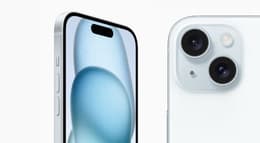
- Rear Camera System: The iPhone 14 Plus features a dual-camera system with a 12MP Main camera and a 12MP Ultra Wide camera. It includes sensor-shift optical image stabilization on the main lens and benefits from the Photonic Engine for improved low-light performance. The iPhone 15 Pro steps up to a Pro camera system, featuring a 48MP Main camera that can capture detailed 24MP or 48MP photos, a 12MP Ultra Wide camera, and a dedicated 12MP 3x Telephoto camera for optical zoom.
- Photography Features: The iPhone 15 Pro offers more advanced photographic features, including next-generation portraits with Focus and Depth Control, allowing users to adjust focus after a photo is taken. It also provides enhanced Night mode and Smart HDR. The iPhone 14 Plus delivers consistently good photos in various conditions, with improvements in low-light compared to its predecessors.
- Video and Front Camera: Both models offer high-quality video recording. The iPhone 14 Plus includes Action mode for stabilized video. The iPhone 15 Pro further enhances video capabilities with features like ProRes video recording directly to external storage and Log recording, catering to more professional videography needs. Both have a 12MP TrueDepth front camera, with the iPhone 14 Plus's front camera gaining autofocus.
Main camera
12 megapixels
48 megapixels
Front camera
12 megapixels
12 megapixels
Miscellaneous
Beyond core features, several practical elements contribute to the overall user experience and daily usability of these devices.
- Connectivity and Ports: Both devices support 5G cellular connectivity and Bluetooth 5.3. The iPhone 14 Plus uses the Lightning port for charging and data transfer. The iPhone 15 Pro transitions to a USB-C port, offering faster data transfer speeds, particularly with USB 3, and broader compatibility with accessories. The iPhone 15 Pro also features Wi-Fi 6E for faster wireless network performance.
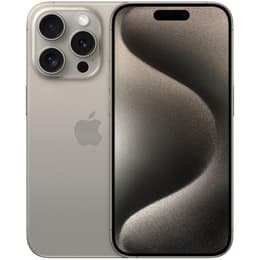
- Physical Design and Handling: The iPhone 14 Plus has a larger 6.7-inch display and an aluminum frame, weighing 203 grams. The iPhone 15 Pro, with its 6.1-inch display and titanium frame, is lighter at 187 grams and features thinner borders and contoured edges, which can impact one-handed use and overall feel.
- Unique Features: The iPhone 15 Pro introduces a customizable Action Button, replacing the traditional mute switch, which can be programmed for quick access to various functions like the camera, flashlight, or voice memos. Both devices include Face ID for secure authentication.
Weight
203 oz
187 oz
Screen size (in)
6,7
6.1
Network
5G
5G
SIM card
Physical SIM + eSIM
Physical SIM + eSIM
Carrier compatibility
Unlocked
Unlocked
Connector
Lightning
USB-C (USB 3)
What the community thinks
Choosing between the iPhone 14 Plus and the iPhone 15 Pro depends heavily on individual priorities and usage patterns. The iPhone 14 Plus, with its larger 6.7-inch display and excellent battery life, is well-suited for users who prioritize an expansive viewing experience for media consumption, web browsing, and general productivity without needing the absolute latest in processing power or advanced camera features. Users often praise its endurance, noting it can comfortably last a full day or more on a single charge.
On the other hand, the iPhone 15 Pro caters to users seeking a more advanced and compact device. Its powerful processor, 120Hz ProMotion display, and versatile Pro camera system make it ideal for mobile gamers, content creators, and professionals who demand top-tier performance, smoother visuals, and enhanced photographic capabilities. The transition to USB-C and the customizable Action Button also offer practical benefits for power users. Some users have noted initial concerns regarding the iPhone 15 Pro's back glass durability in extreme bend tests, though its overall repairability has improved.
Ultimately, users prioritizing a larger screen and extended battery life for everyday tasks will find the iPhone 14 Plus a compelling option. Those who value cutting-edge performance, a more sophisticated camera, and a smoother display in a slightly more compact form factor will lean towards the iPhone 15 Pro. Both models are available as quality-assured refurbished options, providing an eco-friendly alternative for consumers.