iPhone 13 mini vs iPhone 16 Plus

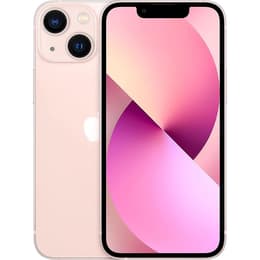
iPhone 13 mini
iPhone 13 mini
Starting at

Refurbished price:A$368.00

Versus A$1,049.00 new

See options
iPhone 16 Plus
iPhone 16 Plus
Starting at

Refurbished price:A$918.00

Versus A$1,599.00 new

See options

Ratings

The iPhone 13 Mini, released in September 2021, and the iPhone 16 Plus, launched in September 2024, represent distinct approaches within Apple's smartphone lineup. While both devices operate on Apple's iOS ecosystem, they cater to different user preferences, primarily distinguished by their physical size, processing power, and camera capabilities. The iPhone 13 Mini emphasizes a compact form factor, whereas the iPhone 16 Plus offers an expansive display and enhanced features.

Scores

Durability

The lifespan of a smartphone is influenced by its release date, software support, and physical resilience. These two models, separated by three years, offer different expectations in these areas.

  • Release Timeline: The iPhone 13 Mini was released in September 2021, making it an older model compared to the iPhone 16 Plus, which debuted in September 2024. This age difference directly impacts their remaining software support window.
  • Software Longevity: The iPhone 13 Mini, originally shipped with iOS 15, is compatible with the current iOS 26, and is expected to receive major software updates until approximately 2030 or 2031. The iPhone 16 Plus, launching with iOS 18, is anticipated to receive software support for a longer duration, likely extending its usability well into the late 2030s.
  • Physical Durability: Both devices feature a Ceramic Shield front cover and an IP68 rating for water and dust resistance, indicating a similar level of protection against everyday elements. The iPhone 16 Plus also incorporates an aluminum design with a color-infused glass back.

Release year

2021

2024

Compatible with latest Update

Yes

Yes

Foldable

No

No

Performance

Performance is a key differentiator, with the newer iPhone 16 Plus benefiting from significant advancements in processing technology and memory.

  • Processing Power: The iPhone 13 Mini is equipped with a capable processor that handles everyday applications and moderate multitasking smoothly. It provides a responsive experience for general use and gaming. The iPhone 16 Plus features a much newer generation processor, delivering substantially faster CPU and GPU speeds. This translates to quicker app loading times, smoother performance in demanding applications, and a more fluid experience with advanced mobile gaming and AI-driven features.
  • Multitasking and Responsiveness: The iPhone 13 Mini comes with 4GB of RAM, sufficient for typical smartphone usage. The iPhone 16 Plus includes 8GB of RAM, allowing for more seamless multitasking, keeping more applications active in the background, and enhancing overall system responsiveness, particularly when switching between heavy apps.
  • Storage Options: Both models offer storage configurations of 128GB, 256GB, and 512GB, providing ample space for apps, photos, videos, and other data.

Memory (GB)

4 GB

8 GB

Screen quality

The visual experience varies significantly between these two iPhones, primarily due to differences in display size and refresh rate technology.

  • Display Technology and Size: The iPhone 13 Mini features a compact 5.4-inch Super Retina XDR OLED display, offering deep blacks and vibrant colors in a highly portable form factor. The iPhone 16 Plus boasts a larger 6.7-inch Super Retina XDR OLED display, providing a more expansive canvas for media consumption, gaming, and productivity.
  • Resolution and Brightness: Both displays offer high pixel densities, resulting in sharp and clear visuals. The iPhone 13 Mini has a resolution of 1080x2340 pixels at 476 ppi. The iPhone 16 Plus features a resolution of 2796x1290 pixels at 460 ppi. The iPhone 16 Plus also offers higher peak brightness levels, reaching up to 2000 nits for outdoor use, making it more visible in bright sunlight compared to the iPhone 13 Mini's 1200 nits peak HDR brightness.
  • Refresh Rate: The iPhone 13 Mini has a standard 60Hz refresh rate, which is suitable for most daily tasks. The iPhone 16 Plus also features a 60Hz refresh rate, which provides a smooth viewing experience for general content.

Resolution

1080 x 2340

1290 x 2796

Screen type

Super Retina XDR OLED

Super Retina XDR OLED

Audiovisual

Camera systems have seen considerable evolution between these generations, with the iPhone 16 Plus offering more advanced capabilities and features.

  • Rear Camera System: The iPhone 13 Mini features a dual 12MP camera system, comprising a wide and an ultra-wide lens. It includes sensor-shift optical image stabilization on the main camera and offers features like Cinematic Mode and Smart HDR 4, delivering good photo and video quality for its generation. The iPhone 16 Plus comes with a more advanced dual camera system, featuring a 48MP Fusion Main camera that enables 2x telephoto capabilities, alongside a 12MP Ultra Wide lens. It benefits from newer computational photography enhancements like Photonic Engine and Smart HDR 5, resulting in improved detail, dynamic range, and low-light performance.
  • Low-Light and Video Performance: While the iPhone 13 Mini performs well in good lighting, its low-light performance is generally considered good but can show limitations compared to newer models. It supports 4K video recording up to 60fps. The iPhone 16 Plus offers superior low-light photography and video recording capabilities due to its larger main sensor and advanced image processing. It also supports advanced video features like Action mode and Spatial video recording.
  • Front Camera: Both devices feature a 12MP front-facing camera. The iPhone 16 Plus's front camera benefits from a wider aperture and autofocus with Focus Pixels, enhancing selfie quality and video calls.

Main camera

12 megapixels

48 megapixels

Front camera

12 megapixels

12 megapixels

Miscellaneous

Beyond core specifications, several practical elements contribute to the overall user experience and differentiate these two iPhone models.

  • Connectivity and Ports: Both the iPhone 13 Mini and iPhone 16 Plus support 5G cellular connectivity. The iPhone 13 Mini uses Apple's proprietary Lightning port for charging and data transfer. In contrast, the iPhone 16 Plus has transitioned to a USB-C port, offering broader compatibility with accessories and potentially faster data transfer speeds. The iPhone 16 Plus also supports Wi-Fi 7, a newer standard than the Wi-Fi 6 found in the iPhone 13 Mini.
  • Physical Design and Handling: The iPhone 13 Mini is notably compact and lightweight, measuring 131.5 x 64.2 x 7.65 mm and weighing 141 grams, making it ideal for one-handed use and easy pocketability. The iPhone 16 Plus is a larger device, with dimensions of 160.9 x 77.8 x 7.8 mm and a weight of 199 grams, providing a more substantial feel and a larger screen area.
  • Additional Features: Both models feature Face ID for secure authentication. The iPhone 16 Plus introduces the Dynamic Island, an interactive area at the top of the display for alerts and activities, and may include an Action Button, offering customizable shortcuts. The iPhone 16 Plus also integrates Apple Intelligence features, enhancing user interaction and capabilities.

Weight

140 oz

199 oz

Screen size (in)

5,4

6.7

Network

5G

5G

SIM card

Physical SIM + eSIM

Physical SIM + eSIM

Carrier compatibility

Unlocked

Unlocked

Connector

Lightning

USB-C (USB 2)

User feedback for the iPhone 13 Mini often highlights its unique appeal as a compact powerhouse. Many users appreciate its small size for comfortable one-handed use and easy portability, finding it a refreshing alternative in a market dominated by larger phones. Criticisms sometimes revolve around its battery life, which, while improved over its predecessor, can still be a concern for heavy users or those accustomed to larger iPhone models. The camera system, while capable, has received mixed reviews for close-up shots and low-light performance compared to Pro models.

For the iPhone 16 Plus, common praise centers on its expansive display, robust performance, and significantly improved battery life, making it well-suited for media consumption, gaming, and demanding tasks. Its larger size, while a benefit for some, can be a point of contention for users preferring a more compact device. The advanced camera system and integration of new software features are generally well-received, offering a comprehensive and modern smartphone experience.

Users prioritizing extreme portability, one-handed comfort, and a device that easily disappears into a pocket may find the iPhone 13 Mini well-suited to their needs. It remains a capable device for everyday communication, social media, and light content consumption. Conversely, users who prioritize a large display for immersive viewing, extended battery life, and the latest in processing power and camera technology will likely lean toward the iPhone 16 Plus. It is ideal for those who consume a lot of media, play graphics-intensive games, or require a device for productivity on the go.

For those considering either model, exploring quality-assured refurbished options can provide an eco-friendly alternative, offering access to these devices with verified functionality and a reduced environmental impact.
See all articles

Our recent comparisons