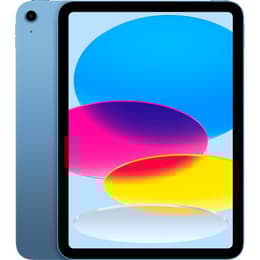
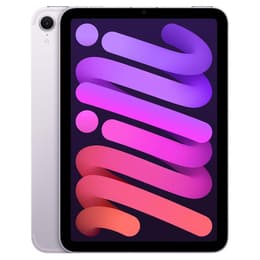

iPad 11 (2025, A16 series) vs iPad mini 7 (2024, A17 series)

iPad 11 (2025, A16 series)
See options
iPad mini 7 (2024, A17 series)
Starting at

Refurbished price:A$1,400.00

Versus A$1,579.00 new

See options

Ratings

The iPad 2025 (A16 Series) and the iPad Mini 2024 (A17 Series) represent distinct approaches within Apple's tablet lineup, each designed to cater to different user preferences. While both devices operate on iPadOS, offering a consistent software experience, their primary differentiators lie in their form factor and processing capabilities. The iPad Mini 2024 prioritizes portability and a more advanced processor, whereas the iPad 2025 offers a larger display for a broader range of tasks.

Scores

Durability

When considering the long-term usability of these tablets, several factors contribute to their expected lifespan, including software support and physical durability.

  • Software Longevity: Apple typically provides major iPadOS updates for approximately five to seven years from a device's release. Given its 2025 release, the iPad (A16 Series) is expected to receive software support for a slightly longer period than the iPad Mini (A17 Series), released in 2024. This means the iPad 2025 will likely remain compatible with the latest features and security updates for an additional year.
  • Update Frequency: Both devices will receive consistent security patches and performance enhancements throughout their supported lifespan, ensuring they remain functional and secure for everyday use.
  • Repairability: iPads generally feature a robust build, and while specific repairability scores can vary, both models are designed with Apple's standard construction. Users can expect similar ease of access for common repairs across the iPad lineup.

Release year

2025

2024

Compatible with latest Update

Yes

Yes

Operating system

iPadOS

iPadOS

Minimum system requirements (iPadOS)

iPadOS 18

iPadOS 18

Performance

The core performance of these two iPads is driven by their respective processors, influencing how smoothly they handle applications and multitasking.

  • Processor Capabilities: The iPad Mini 2024 features a more advanced current-generation processor, offering notable improvements in speed and efficiency compared to the previous-generation processor found in the iPad 2025. This translates to faster app loading, smoother transitions, and more responsive performance, particularly for demanding applications and advanced features like Apple Intelligence.
  • Multitasking and Responsiveness: The iPad Mini 2024 is equipped with 8GB of RAM, which enhances its ability to manage multiple applications simultaneously and maintain responsiveness during intensive tasks. The iPad 2025, with 6GB of RAM, handles everyday multitasking effectively but may show limitations when running a large number of complex applications concurrently.
  • Storage Options: Both models are expected to offer a base storage of 128GB, providing ample space for apps, media, and documents for most users.

Memory (GB)

6 GB

8 GB

Processor

Apple A16

Apple A17 Pro

Screen quality

The visual experience on these tablets is primarily defined by their display technology, size, and clarity.

  • Display Technology and Size: The iPad Mini 2024 features an 8.3-inch Liquid Retina display, known for its vibrant colors and sharp text, making it suitable for reading and portable media consumption. The iPad 2025 comes with a larger 10.9-inch LCD display, providing more screen real estate for productivity tasks and immersive viewing.
  • Resolution and Clarity: Both displays offer high pixel densities, ensuring crisp images and clear text. The iPad Mini's smaller screen size combined with its resolution results in a higher pixel density, which can make fine details appear slightly sharper.
  • Brightness and Refresh Rate: Both models typically offer sufficient brightness for indoor and outdoor use. The iPad 2025's display operates at a standard 60Hz refresh rate, while the iPad Mini 2024's Liquid Retina display also maintains a standard refresh rate, providing a smooth visual experience for general use.

Resolution

2360 x 1640

2266 x 1488

True Tone

Yes

Yes

Promotion

No

No

Screen type

Liquid Retina display

Liquid Retina display

Pixel density

264ppp

326ppp

Brightness

500 nits brightness

500 nits brightness

Sound quality

Speakers

Stereo speakers (landscape)

Stereo speakers (landscape)

Audiovisual

The camera systems on both iPads are designed for versatility, catering to video calls, document scanning, and casual photography.

  • Camera System Capabilities: Both the iPad 2025 and iPad Mini 2024 are equipped with 12-megapixel main cameras and 12-megapixel ultra-wide front-facing cameras. The front camera on the iPad 2025 is notably positioned on the landscape edge, which enhances the video calling experience by making eye contact feel more natural.
  • Photography Performance: Both devices support features like Smart HDR for improved dynamic range in photos and Center Stage, which automatically keeps subjects framed during video calls. The newer processor in the iPad Mini 2024 may enable slightly more advanced computational photography features.
  • Audio Experience: Both iPads feature stereo speakers, providing a more immersive audio experience for media consumption. The microphone quality on both is suitable for clear communication during calls and recordings.

Miscellaneous

Beyond the core specifications, several practical elements differentiate the user experience of these two tablets.

  • Connectivity: Both the iPad 2025 and iPad Mini 2024 support modern connectivity standards, including 5G for cellular models and the latest Wi-Fi and Bluetooth versions, ensuring fast and reliable wireless connections.
  • Port Types: Both devices feature a versatile USB-C port for charging, data transfer, and connecting to various accessories.
  • Biometric Authentication: Both models integrate Touch ID into the top button for secure and convenient unlocking and authentication. The iPad 2025 does not support Face ID.
  • Design and Handling: The iPad Mini 2024, with its compact 8.3-inch display, is designed for ultimate portability and one-handed use, weighing approximately 297 grams. The iPad 2025, with its larger 10.9-inch display, offers more screen real estate but is heavier at around 477 grams, making it better suited for two-handed use or placement on a surface.

Weight

477 oz

293 oz

Width

179.5 in

13.48 in

Height

248.6 in

19.54 in

Depth

7 in

0.63 in

Screen size (in)

11

8.3

Network

Wi-Fi

Wi-Fi + 5G

Carrier compatibility

Without SIM Port

Unlocked

Wi-Fi version

Wi-Fi 6 802.11ax

Wi-Fi 6 802.11ax

Bluetooth version

Bluetooth 5.3

Bluetooth 5.3

Face ID

No

No

Touch ID

Yes

Yes

Connector

USB Type-C

USB Type-C

Choosing between the iPad 2025 (A16 Series) and the iPad Mini 2024 (A17 Series) ultimately depends on individual priorities and how the device will be integrated into daily routines. Users who prioritize a larger display for tasks such as note-taking, drawing, or consuming media will find the iPad 2025 well-suited to their needs. Its expansive screen provides a comfortable canvas for productivity and entertainment, making it a solid choice for students or professionals who need more visual workspace.

Conversely, those who value extreme portability and a more advanced processing experience will likely lean towards the iPad Mini 2024. Its compact size makes it ideal for reading on the go, quick tasks, or as a highly portable companion for travel. The newer processor also offers a performance edge, particularly for demanding applications and the latest software features like Apple Intelligence. User sentiment often highlights the Mini's convenience for those constantly on the move, while the standard iPad is praised for its versatility as a general-purpose tablet.

Both devices offer the robust iPadOS ecosystem and access to a vast library of applications. For those seeking an eco-friendly alternative, quality-assured refurbished options for both models can provide a sustainable choice without compromising on functionality.

See all articles

Our recent comparisons