
Compare models
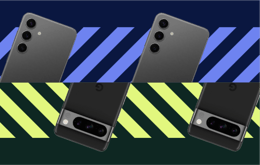
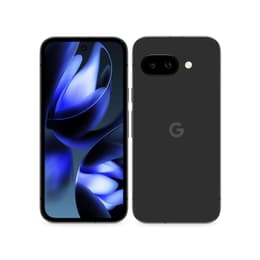
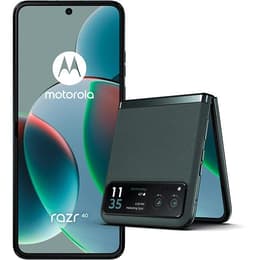
Google Pixel 9a vs Motorola Razr 40
- 1-year warranty
- Free standard shipping
- Free 30-day returns
Differences at a glance
The Google Pixel 9a (2025) and the Motorola Razr 40 (2023) represent two entirely different approaches to modern smartphone design, contrasting a traditional slate form factor with a flexible folding clamshell body. While both run on the Android operating system, they cater to distinct mechanical preferences and user priorities. The primary differentiators lie in their physical construction, screen versatility, and hardware generations.
Available Models
Colour
Storage (GB)
Scores
Durability
Device longevity depends heavily on release schedules, construction materials, and software support frameworks provided by each manufacturer.
- Software Support: The Google Pixel 9a benefits from an extended multi-year update commitment covering operating systems and security patches, whereas the Motorola Razr 40 follows a shorter software maintenance cycle matching its earlier launch window.
- Physical Construction: The Pixel 9a features a solid slate body with high-grade dust and water resistance ratings, while the Motorola Razr 40 utilizes a complex folding hinge mechanism that requires careful handling over extended periods of daily use.
- Expected Lifespan: Traditional slate designs generally show less mechanical wear over several years compared to flexible folding displays, which experience repeated stress along the crease line during normal opening and closing.
Release year
2025
2023
Operating system
Android
Android
Foldable
No
Yes
Performance
Daily speed and efficiency vary across both models depending on multitasking demands, hardware configuration, and thermal management.
- System Responsiveness: Both devices handle standard web browsing, social media applications, and casual multitasking smoothly, though newer internal hardware allows the Google Pixel 9a to maintain responsiveness during heavier processing tasks.
- Battery Behavior: The Pixel 9a incorporates a high-capacity power cell designed to easily sustain a full day of mixed use, whereas the Motorola Razr 40 features a smaller physical battery that may require more frequent recharges during heavy media consumption.
- Storage Configurations: Standard storage tiers accommodate typical photo libraries and application loads, supported by efficient memory allocations that keep background tasks active without noticeable stuttering.
Screen quality
Visual output and display mechanics differ significantly due to the contrast between a rigid flat panel and a folding flexible screen.
- Display Technology: The Google Pixel 9a utilizes a bright flat OLED panel with deep contrast and adaptive refresh rates up to 120Hz for smooth scrolling, while the Motorola Razr 40 features a flexible folding plastic-backed organic light-emitting display with high refresh support.
- Outdoor Visibility: Peak brightness levels on the Pixel 9a allow for clear outdoor legibility under direct sunlight, matching or exceeding typical conditions for folding alternatives.
- Secondary Screens: The Motorola Razr 40 includes an external cover display for checking notifications and quick widgets without unfolding the device, offering a practical utility feature absent on standard slate designs.
Resolution
1080x2424
1080 x 2640
Screen type
P-OLED
Foldable LTPO AMOLED
Audiovisual
Media capture capabilities and audio output characteristics shape the everyday multimedia experience on both smartphones.
- Camera Systems: The Google Pixel 9a relies on advanced computational photography algorithms paired with high-resolution main and ultra-wide sensors to deliver balanced low-light and everyday images, while the Motorola Razr 40 provides flexible angles suited for tabletop tripod-free framing.
- Video and Audio: Video recording remains stable across both handsets with built-in image stabilization, and their stereo speaker configurations deliver clear audio output for hands-free calls and media streaming.
- Selfie Integration: Flexible folding geometry on the Motorola model allows users to utilize the main camera array for high-resolution self-portraits using the external screen as a viewfinder.
Miscellaneous
Practical daily usability is influenced by physical dimensions, connectivity standards, and ergonomic factors during transit.
- Handling and Portability: The Motorola Razr 40 folds compactly into a smaller square footprint for pockets, whereas the Google Pixel 9a maintains a slim, traditional profile that rests easily in one hand.
- Connectivity: Both models support modern cellular networks including 5G, alongside current Wi-Fi protocols and Bluetooth standards for reliable accessory pairing.
- Authentication: Secure unlocking is handled via responsive biometric sensors, combining facial recognition with fingerprint readers integrated logically into the physical layout.
Weight
186 oz
189 oz
Screen size (in)
6.3
6.9
Network
5G
5G
SIM card
Physical SIM + eSIM
Dual Physical SIM
Carrier compatibility
Unlocked
Unlocked
What the community thinks
User feedback from online communities highlights distinct preferences for each device based on form factor and everyday habits. Owners of the Google Pixel 9a frequently praise its dependable battery life, reliable camera output, and solid structural durability. Conversely, Motorola Razr 40 users often emphasize the convenience of the compact folding design and the utility of the exterior notification screen, while noting that the hinge and folding crease require careful long-term treatment. Choosing between these options depends heavily on personal workflow priorities.
Users prioritizing long-term software support, maximum structural durability, and straightforward pocket ergonomics will find the Google Pixel 9a well-suited to their needs. Meanwhile, users looking for a compact folding footprint and unique display versatility may lean toward the Motorola Razr 40. For those exploring sustainable purchasing habits, a quality-assured refurbished option provides an eco-friendly alternative that extends device life cycles without sacrificing modern functionality.