
Google Pixel 9 vs Motorola Moto G53

Google Pixel 9
Google Pixel 9
Starting at

Refurbished price:A$717.00

Versus A$1,349.00 new

See options
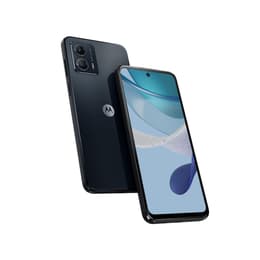
Motorola Moto G53
Motorola Moto G53
Starting at

Refurbished price:A$203.77

Versus A$975.00 new

See options

The Google Pixel 9, released in August 2024, represents Google's latest flagship offering, focusing on advanced computational photography and integrated artificial intelligence. In contrast, the Motorola Moto G53, launched in December 2022, positions itself as a more accessible smartphone designed for everyday tasks and reliable connectivity. While both devices operate on the Android platform, they cater to different user expectations regarding performance, camera capabilities, and software longevity.

Scores

Durability

The longevity of a smartphone is influenced by its build quality, software support, and the availability of replacement parts. These two devices offer different propositions in terms of their expected practical lifespan.

  • Software Support: The Google Pixel 9 is designed for extended usability, offering an impressive seven years of operating system and security updates from its release. This commitment ensures the device remains current and secure for a significantly longer period. [18, 28, 32, 33] The Motorola Moto G53, released earlier, typically receives fewer major Android updates and security patches, generally spanning a couple of years. [8]
  • Physical Durability: The Pixel 9 features Gorilla Glass Victus 2 on both its front and back, alongside an IP68 rating for water and dust resistance, indicating a robust build. [11, 28] The Moto G53 has a water-repellent design, offering some protection against splashes, but it does not carry a formal IP rating, and its construction primarily uses plastic materials. [4, 9, 12]
  • Repairability: While specific repairability scores can vary, Google's Pixel line generally benefits from a wider ecosystem of parts and repair guides. The Moto G53, being a more budget-oriented device, may have varying ease of repair depending on regional service availability.

Release year

2024

2022

Compatible with latest Update

Yes

Yes

Operating system

Android

Android

Foldable

No

No

Performance

Performance is a key differentiator, impacting how smoothly applications run, how quickly tasks are completed, and the overall responsiveness of the user experience.

  • Processing Power: The Google Pixel 9 is equipped with Google's Tensor G4 processor, engineered to handle demanding applications, advanced AI features, and multitasking with efficiency. [3, 17, 24, 28] The Motorola Moto G53 features a Qualcomm Snapdragon 480+ 5G chipset, which capably manages daily activities like web browsing and social media, but may show limitations with more intensive applications or graphically demanding games. [1, 8, 12]
  • Multitasking and Responsiveness: With 12GB of RAM, the Pixel 9 provides ample memory for seamless app switching and maintaining multiple applications in the background without slowdowns. [28] The Moto G53 typically comes with 4GB, 6GB, or 8GB of RAM, with some regions primarily offering 4GB, which can lead to more frequent app reloads when multitasking extensively. [5, 6, 8, 13, 14, 16]
  • Storage Options: Both devices offer 128GB of internal storage as a common configuration. The Moto G53 also includes a microSDXC expansion slot, allowing users to significantly increase storage capacity for media and files. [5] The Pixel 9 does not typically offer expandable storage, relying on its internal capacity.

Memory (GB)

12 GB

8 GB

Screen quality

The display is the primary interface for interaction, and differences in technology, resolution, and brightness significantly affect the visual experience.

  • Display Technology and Clarity: The Google Pixel 9 features a 6.3-inch OLED display with a 1080 x 2424 pixel resolution, delivering deep blacks, vibrant colors, and sharp image detail. [28] The Motorola Moto G53 utilizes a 6.5-inch IPS LCD panel with a 720 x 1600 pixel (HD+) resolution, which offers a larger viewing area but with less sharpness and color vibrancy compared to an OLED screen. [1, 2, 9, 12]
  • Brightness and Outdoor Visibility: The Pixel 9's display boasts a high peak brightness of 2700 nits and 1800 nits for HDR content, ensuring excellent visibility even in bright outdoor conditions. [11, 28] The Moto G53's screen reaches approximately 450 nits of peak brightness, which is adequate for indoor use but may struggle under direct sunlight. [9, 12]
  • Refresh Rate and Smoothness: Both devices offer a 120Hz refresh rate, contributing to smoother scrolling and a more fluid user interface experience. [1, 9, 10, 12, 13, 14, 16] However, the Pixel 9's more powerful processor is better equipped to consistently drive this higher refresh rate across all applications.

Resolution

1080 x 2424

720x1600

Screen type

OLED

IPS LCD

Audiovisual

Camera capabilities are a major consideration for many users, with both hardware and software playing crucial roles in image and video quality.

  • Rear Camera System: The Google Pixel 9 features a versatile camera setup, including a 50MP main sensor and a significantly upgraded 48MP ultrawide lens with autofocus, enhancing detail and low-light performance. [11, 20, 28] The Motorola Moto G53 comes with a 50MP main camera and a 2MP macro lens, but lacks an ultrawide option. [1, 8, 9, 10, 12]
  • Photography Performance: The Pixel 9 leverages Google's advanced computational photography and AI features for superior image processing, resulting in sharp, well-exposed photos with accurate colors, even in challenging lighting. [11, 20, 22] The Moto G53's main camera performs well for everyday snapshots in good lighting, but its low-light performance and overall detail capture are more limited. [1, 9, 12]
  • Video Recording and Front Camera: The Pixel 9 offers advanced video features, including 10-bit HDR video and various stabilization modes, along with a 10.5MP front camera with autofocus for clear selfies and video calls. [11, 22, 28] The Moto G53 provides standard video recording capabilities, with some reviews noting limitations in video stabilization, and an 8MP front camera. [1, 5, 8, 10, 23]

Main camera

50 megapixels

50 megapixels

Front camera

10.5 megapixels

8 megapixels

Miscellaneous

Beyond core specifications, several practical features and design elements contribute to the overall user experience and daily usability.

  • Connectivity and Ports: Both smartphones support 5G connectivity, ensuring access to faster mobile data networks. [8, 16, 23] The Pixel 9 features a USB-C port and introduces Qi2 wireless charging for enhanced convenience. [3, 17] The Moto G53 also has a USB-C port and retains a 3.5mm headphone jack, a feature less common on newer flagship devices. [16, 23]
  • Biometrics and Security: The Pixel 9 incorporates an ultrasonic in-display fingerprint sensor, known for its speed and reliability, along with advanced face recognition. [28] The Moto G53 uses a side-mounted fingerprint sensor integrated into the power button for secure unlocking. [16, 23]
  • Design and Handling: The Pixel 9 features a refined design with a redesigned camera bar and a compact form factor, weighing around 198 grams. [11, 19, 21] The Moto G53 has a larger 6.5-inch display and weighs 183 grams, with a plastic build that offers a comfortable, if less premium, feel. [2, 7, 9, 12]

Weight

198 oz

183 oz

Screen size (in)

6.3

6.5

Network

5G

5G

SIM card

Physical SIM + eSIM

Dual Physical SIM

Carrier compatibility

Unlocked

Unlocked

Choosing between the Google Pixel 9 and the Motorola Moto G53 involves weighing priorities between cutting-edge technology and practical functionality. Users frequently praise the Pixel 9 for its exceptional camera performance, particularly its AI-driven features and improved ultrawide lens, making it a strong contender for those who prioritize photography and advanced software experiences. [11, 20, 22] Its commitment to seven years of software updates is also a significant advantage for users seeking long-term device support. [18, 28, 32, 33] However, some users might note that while its processor is powerful, it may not always match the raw benchmark scores of some competitors. [24, 27, 29, 31]

The Motorola Moto G53 is often commended for its reliable battery life, capable of lasting a full day or more for many users, and its smooth 120Hz display refresh rate, which enhances the daily navigation experience. [1, 9, 12] Criticisms often point to its lower-resolution display and the limitations of its camera system in challenging conditions, as well as its more modest processing power for demanding tasks. [9, 12] Its software update policy is also less extensive compared to the Pixel 9. [8]

Users prioritizing a premium camera experience, long-term software support, and advanced AI capabilities will find the Google Pixel 9 well-suited to their needs. Its vibrant OLED display and robust build further enhance its appeal. Conversely, users who value extended battery life, a larger screen for media consumption, and a more straightforward smartphone experience for everyday use may lean toward the Motorola Moto G53. For those considering a sustainable choice, both models are available as quality-assured refurbished options, offering an eco-friendly alternative to purchasing new.


See all articles

Our recent comparisons