Compare models

Google Pixel 9 vs iPhone 17 Pro Max

  • 1-year warranty
  • Free standard shipping
  • Free 30-day returns
Google Pixel 9
Starting at

Refurbished price:A$640.00

Versus A$1,349.00 new

See options
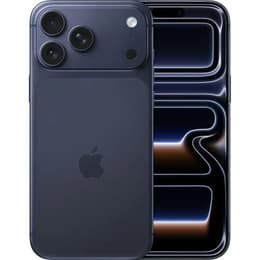
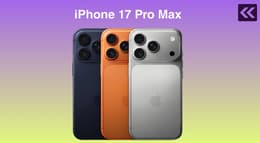
iPhone 17 Pro Max
Starting at

Refurbished price:A$1,746.00

Versus A$1,749.00 new

See options

Differences at a glance

The Google Pixel 9 (2024) and the iPhone 17 Pro Max (2025) represent two distinct approaches to modern smartphone design, operating systems, and ecosystem integration. While the Google Pixel 9 operates on Android with a heavy focus on integrated artificial intelligence features, the iPhone 17 Pro Max runs iOS on a larger form factor designed for maximum performance and media consumption. Both devices serve as high-tier options within their respective lineups, differing primarily in physical size, operating environment, and everyday hardware focus.

Available Models

Colour

Storage (GB)

Scores

Durability

When examining longevity, both devices offer robust structural integrity and prolonged software backing to ensure reliable multi-year usage.

  • Software Support Window: The Google Pixel 9 benefits from a commitment of seven years of full operating system and security updates, matching the long-term update framework provided by Apple for the iPhone 17 Pro Max.
  • Repairability and Build: Both smartphones utilize reinforced glass and sturdy metal frames designed to withstand daily wear, alongside standardized repair pathways supported by respective manufacturer repair networks.
  • Expected Lifespan: Thanks to generous memory allocations and high-efficiency internal components, both models maintain sufficient processing headroom to remain functionally relevant for many years of typical consumer use.

Release year

2024

2025

Compatible with latest Update

Yes

Yes

Operating system

Android

iOS

Foldable

No

No

Performance

Underneath the surface, these devices handle multitasking, demanding applications, and background tasks through distinct hardware architectures.

  • Multitasking and Responsiveness: The Google Pixel 9 handles everyday browsing and app switching smoothly with its dedicated memory configuration, while the iPhone 17 Pro Max utilizes a high-performance processor optimized for demanding mobile gaming and heavy workloads.
  • Storage Configurations: Users can select from various internal storage tiers tailored to media-heavy libraries or standard application usage, though neither device supports expandable storage via memory cards.
  • Battery Behavior: Both models are engineered to comfortably navigate a full day of standard mixed usage, though physical battery endurance varies depending on screen brightness settings and background processing intensity.

Screen quality

Visual output differs noticeably between the two models in terms of physical screen dimensions and panel calibration.

  • Display Technology: Both devices employ advanced OLED panels that deliver deep contrast levels, rich color reproduction, and sharp text rendering for daily reading and media viewing.
  • Brightness and Outdoor Legibility: High peak brightness capabilities on both screens ensure that content remains clearly visible even under direct sunlight.
  • Refresh Rate and Fluidity: Both models feature adaptive high refresh rate technology, resulting in smooth scrolling through web pages and fluid animations throughout the user interface.

Resolution

1080 x 2424

2868x1320

Screen type

OLED

Super Retina XDR

Audiovisual

Photography and video capture capabilities cater to different styles of content creation and everyday documentation.

  • Camera Array Versatility: The Google Pixel 9 features a capable dual rear camera system optimized by computational photography, whereas the iPhone 17 Pro Max offers a triple-lens configuration including an extended optical zoom range for distant subjects.
  • Video Recording: Apple's device is widely recognized for stabilization and cinematic video features, while Google focuses on automated software corrections and clear low-light results.
  • Audio and Media Output: Stereo speaker setups on both phones deliver balanced audio for hands-free calls, podcasts, and casual video playback.

Main camera

50 megapixels

48 megapixels

Front camera

10.5 megapixels

18 megapixels

Miscellaneous

Practical daily usability elements such as physical dimensions, connectivity standards, and biometric security shape the overall handling experience.

  • Physical Handling: The Google Pixel 9 provides a more compact, pocket-friendly footprint, whereas the iPhone 17 Pro Max features a significantly larger and heavier chassis suited for users who prefer expansive screen space.
  • Biometric Authentication: Google utilizes an under-display ultrasonic fingerprint scanner alongside facial recognition, while Apple relies exclusively on a secure face-scanning sensor housing.
  • Connectivity and Ports: Both models support widespread 5G networks, modern Wi-Fi standards, and USB Type-C connectivity for charging and data transfer.

Weight

198 oz

233 oz

Screen size (in)

6.3

6.9

Network

5G

5G

SIM card

Physical SIM + eSIM

eSIM

Carrier compatibility

Unlocked

Unlocked

What the community thinks

User feedback from online communities highlights distinct preferences for each device based on everyday workflow habits. Owners of the Google Pixel 9 frequently praise its manageable physical dimensions, clean software experience, and helpful automated features. Conversely, users gravitate toward the iPhone 17 Pro Max for its expansive display workspace, robust video recording tools, and seamless integration within the broader Apple ecosystem. Common discussions often point out that the larger iPhone model can feel heavy during prolonged one-handed use, while the standard Pixel model lacks a dedicated optical zoom lens.

Users prioritizing a compact form factor, integrated artificial intelligence tools, and an Android environment will find the Google Pixel 9 well-suited to their daily routine. Meanwhile, users who prioritize a massive display, advanced video capabilities, and iOS ecosystem continuity may lean toward the iPhone 17 Pro Max. For consumers exploring sustainable purchasing routes, opting for a quality-assured refurbished option provides an eco-friendly alternative that reduces electronic waste without compromising on functional longevity.


Our recent comparisons