Google Pixel 8a vs iPhone 15 Plus

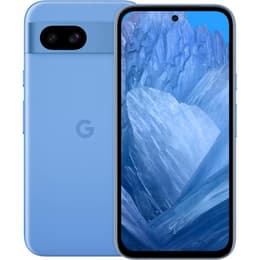
Google Pixel 8a
Google Pixel 8a
Starting at

Refurbished price:A$464.00

Versus A$938.69 new

See options
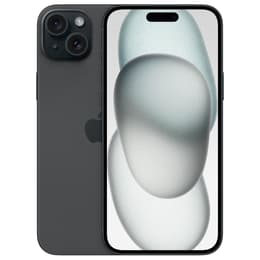
iPhone 15 Plus
iPhone 15 Plus
Starting at

Refurbished price:A$714.00

Versus A$1,399.00 new

See options

Ratings

The Google Pixel 8a, released in May 2024, and the iPhone 15 Plus, launched in September 2023, are both modern smartphones offering distinct user experiences. While the Pixel 8a operates on Android and emphasizes AI-driven features within a more compact design, the iPhone 15 Plus runs on iOS, providing a larger display and a focus on integrated ecosystem benefits. Both devices aim to deliver reliable performance and advanced camera capabilities to their respective user bases.

Scores

Durability

When considering the long-term usability of these devices, their release timelines and software support policies are key factors. The Pixel 8a and iPhone 15 Plus offer different approaches to longevity, impacting how long users can expect to receive updates and maintain optimal functionality.

  • Software Support: The Google Pixel 8a stands out with a commitment to seven years of OS and security updates, extending its software relevance until at least May 2031. This provides a longer period of guaranteed feature enhancements and security patches. The iPhone 15 Plus typically receives at least five years of major iOS upgrades, with security updates often continuing for longer, ensuring a robust software experience for several years. [15, 31, 33, 35, 36, 38]
  • Build and Protection: The iPhone 15 Plus features a Ceramic Shield front and a color-infused glass back, combined with an aluminum frame, offering IP68 dust and water resistance, allowing submersion up to 6 meters for 30 minutes. The Pixel 8a uses Gorilla Glass 3 on the front and a plastic back with an aluminum frame, providing IP67 dust and water resistance, protecting against submersion up to 1 meter for 30 minutes. [1, 2, 3, 5, 14, 20, 28, 34, 41, 42]
  • Repairability: The repairability of the Google Pixel 8a has been noted to have some challenges, such as strong adhesives and a soldered charging port, contributing to a lower repairability score in some assessments. However, Pixel phones generally aim for better repairability compared to some competitors. The iPhone 15 Plus, like other iPhones, has received lower repairability scores, partly due to Apple's practice of parts pairing, which can complicate independent repairs. [7, 44]

Release year

2024

2023

Compatible with latest Update

Yes

Yes

Operating system

Android

iOS

Foldable

No

No

Performance

Both the Google Pixel 8a and the iPhone 15 Plus are equipped with powerful processors designed to handle demanding applications and multitasking. Their performance characteristics cater to different user expectations within their respective operating systems.

  • Processing Power: The Google Pixel 8a is powered by a current-generation processor, enabling smooth operation for everyday tasks, efficient handling of AI-driven features, and responsive app loading. The iPhone 15 Plus incorporates a high-performance chip, which provides brisk performance across applications, smooth navigation, and efficient handling of graphics-intensive games and video editing tasks. [2, 4, 10, 21, 28, 29, 30, 34, 36]
  • Multitasking and Storage: The Pixel 8a comes with 8GB of RAM, facilitating efficient multitasking and quick switching between applications. It offers storage options of 128GB or 256GB. The iPhone 15 Plus features 6GB of RAM, which, combined with iOS optimization, allows for fluid multitasking. Storage configurations are more varied, including 128GB, 256GB, and 512GB options. [1, 3, 4, 6, 8, 10, 14, 20, 23, 28, 29, 41]
  • Battery Endurance: The Pixel 8a is equipped with a 4492 mAh battery, designed to provide reliable power throughout a typical day of mixed usage. The iPhone 15 Plus features a 4383 mAh battery, which users report offers excellent battery life, often lasting through a full day of heavy use and sometimes extending into a second day for lighter users. [2, 3, 4, 20, 23, 26, 28, 29, 30, 36]

Memory (GB)

8 GB

6 GB

Screen quality

The visual experience on both devices is delivered through high-quality OLED displays, though they differ in size, refresh rate, and specific technologies, influencing overall viewing and interaction.

  • Display Technology and Clarity: The Google Pixel 8a features a 6.1-inch OLED display with a 1080x2400 pixel resolution, resulting in a clear and detailed image. The iPhone 15 Plus boasts a larger 6.7-inch Super Retina XDR OLED display with a 2796x1290 pixel resolution, offering sharp visuals and vibrant colors. Both displays provide deep blacks and high contrast. [1, 2, 5, 6, 8, 9, 13, 14, 16, 20, 23, 27, 28, 29, 32, 41]
  • Brightness and Refresh Rate: The Pixel 8a's display supports a 120Hz refresh rate, providing smoother scrolling and more fluid animations. It achieves a peak HDR brightness of 1400 nits and an overall peak brightness of 2000 nits, ensuring good visibility in various lighting conditions. The iPhone 15 Plus has a standard 60Hz refresh rate, which is consistent but less fluid than higher refresh rate displays. It offers a typical brightness of 1000 nits, a peak HDR brightness of 1600 nits, and an impressive outdoor peak brightness of 2000 nits, making it highly readable even in direct sunlight. [1, 5, 9, 11, 12, 16, 17, 18, 21, 23, 25, 28, 29, 32, 41]
  • Screen Features: The iPhone 15 Plus incorporates the Dynamic Island, a dynamic area around the front camera that adapts to show alerts, activities, and notifications, enhancing user interaction. The Pixel 8a features a punch-hole camera design, offering a more traditional full-screen experience. [5, 6, 16, 23, 36]

Resolution

1080 x 2400

1290 x 2796

Screen type

OLED

Super Retina XDR OLED

Audiovisual

Both smartphones offer advanced camera systems designed to capture high-quality photos and videos, leveraging their respective hardware and software optimizations for different photographic styles.

  • Rear Camera System: The Google Pixel 8a is equipped with a dual-camera setup, featuring a 64MP main sensor with an f/1.9 aperture and a 13MP ultrawide sensor with a 120-degree field of view. The iPhone 15 Plus also has a dual-camera system, comprising a 48MP main sensor with an f/1.6 aperture and sensor-shift optical image stabilization, alongside a 12MP ultrawide sensor with a 120-degree field of view. The iPhone 15 Plus's main camera can also achieve 2x optical-quality zoom by cropping the high-resolution sensor. [2, 5, 14, 16, 20, 23, 28, 29, 30, 35, 36, 41, 42]
  • Photography Performance: The Pixel 8a is known for its computational photography, delivering consistent image quality with natural colors and excellent detail, particularly in everyday scenarios. Its AI features enhance photo editing and low-light performance. The iPhone 15 Plus excels in color reproduction and detail across various conditions, with strong low-light capabilities and features like Smart HDR 5. Its portrait mode offers precise edge detection and the ability to adjust focus after a photo is taken. [23, 30, 35]
  • Video and Audio: The Pixel 8a supports 4K video recording at 30fps, with some sources indicating 4K at 60fps. The iPhone 15 Plus offers more versatile video recording, supporting 4K at 24, 25, 30, or 60fps, and includes features like Cinematic mode for depth-of-field effects. Both devices provide stereo speakers for media consumption, and the iPhone 15 Plus includes Dolby Atmos support. [2, 20, 28, 37, 42]

Main camera

64 megapixels

48 megapixels

Front camera

13 megapixels

12 megapixels

Miscellaneous

Beyond core performance and display, several practical elements contribute to the overall user experience, including connectivity, physical design, and additional features.

  • Connectivity and Ports: Both devices support 5G connectivity for fast mobile data. The Pixel 8a includes Wi-Fi 6e and Bluetooth 5.3, while the iPhone 15 Plus features Wi-Fi 6 and Bluetooth 5.3. A significant change for the iPhone 15 Plus is the adoption of a USB-C port for charging and data transfer, aligning with the Pixel 8a's USB-C port. Neither device includes a traditional 3.5mm headphone jack. [1, 2, 9, 14, 16, 17, 19, 20, 23, 28, 42]
  • Biometrics and Sensors: The Pixel 8a offers an under-display optical fingerprint reader and class 3 face unlock for secure authentication. The iPhone 15 Plus relies on Face ID, Apple's facial recognition system. Both phones include standard sensors like accelerometers, gyroscopes, and compasses. The iPhone 15 Plus also features Ultra Wideband 2 (UWB) support for enhanced spatial awareness and device finding. [1, 3, 9, 19, 20, 28, 32, 41, 42]
  • Design and Handling: The Pixel 8a measures 152.1 x 72.7 x 8.9 mm and weighs 188 grams, offering a more compact form factor that can be easier for one-handed use. It features a matte textured back designed to resist fingerprints. The iPhone 15 Plus is larger at 160.9 x 77.8 x 7.8 mm and weighs 201 grams, providing a more expansive screen experience. Its design includes slightly rounded edges and a glass back. [1, 2, 5, 10, 13, 14, 20, 22, 23, 27, 28, 29, 34, 37, 41]

Weight

188 oz

201 oz

Screen size (in)

6.1

6.7

Network

5G

5G

SIM card

Physical SIM + eSIM

Physical SIM + eSIM

Carrier compatibility

Unlocked

Unlocked

The Google Pixel 8a and iPhone 15 Plus cater to users with differing priorities, each excelling in specific areas based on user feedback and design philosophy.

Users often praise the Pixel 8a for its exceptional camera performance, particularly its computational photography capabilities that deliver consistent and high-quality images. Its long-term software support commitment is also a significant advantage, ensuring the device remains updated and secure for an extended period. Some users appreciate its more compact size compared to larger flagships. Criticisms sometimes point to its use of Gorilla Glass 3, which is an older generation of protective glass, and its relatively slower charging speeds. [2, 7, 15, 21, 34, 38]

The iPhone 15 Plus is frequently lauded for its outstanding battery life, often cited as one of the best in its category, easily lasting a full day even with heavy usage. Its large, bright OLED display and the integration of the Dynamic Island are also popular features, enhancing the user experience. The robust build quality with Ceramic Shield and IP68 rating provides peace of mind. Some users note the 60Hz refresh rate as a drawback compared to many Android competitors, and the lack of a telephoto lens is sometimes mentioned. [1, 3, 9, 16, 17, 23, 25, 26, 30, 35, 36]

Users prioritizing a long software support window, advanced AI features, and a more compact Android experience will find the Google Pixel 8a well-suited to their needs. Those who value a larger display, industry-leading battery life, a highly integrated ecosystem, and robust build quality may lean toward the iPhone 15 Plus. Both devices represent quality-assured options, and considering a refurbished model can be an eco-friendly alternative to purchasing new, allowing consumers to make sustainable choices while still enjoying premium technology. Ultimately, the choice depends on individual preferences for operating system, size, and specific feature emphasis.

See all articles

Our recent comparisons