
Smartphones
Compare models
Differences at a glance
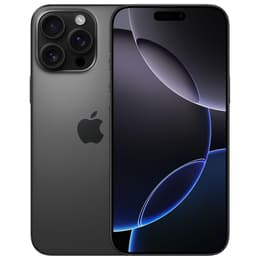
The Google Pixel 7, released in October 2022, and the iPhone 16 Pro Max, launched in September 2024, represent distinct approaches to high-end smartphone design and functionality. While the Pixel 7 operates on the Android ecosystem, the iPhone 16 Pro Max runs on Apple's iOS, offering users different software experiences. Key distinctions between these two devices lie in their display technology, camera capabilities, and overall processing power, reflecting the two-year gap in their release cycles.
Colour
Storage (GB)
The practical lifespan of a smartphone is influenced by its build quality, software support, and the availability of replacement parts. These two devices offer different timelines for software longevity.
Release year
Compatible with latest Update
Foldable
Performance in smartphones is determined by the underlying processing hardware, influencing how smoothly applications run, how quickly tasks are completed, and the device's overall responsiveness. There is a generational difference in the processing power of these two models.
The display is a primary interface for smartphone interaction, and both devices offer high-quality viewing experiences with notable differences in their specifications.
Resolution
Screen type
Camera systems are a significant differentiator, with both devices offering advanced photographic and videographic capabilities tailored to their respective ecosystems.
Main camera
Front camera
Beyond core features, several practical elements contribute to the overall user experience, from connectivity to physical design.
Weight
Screen size (in)
Network
SIM card
Carrier compatibility
The Google Pixel 7 and iPhone 16 Pro Max cater to different user preferences, largely due to their operating systems and release timelines. Users often praise the Pixel 7 for its intuitive Android experience, excellent computational photography, and consistent software updates. Some users have noted varying battery performance, though software optimizations and extreme power-saving modes can extend usage.
The iPhone 16 Pro Max, as a newer device, is generally lauded for its powerful performance, advanced camera system with enhanced zoom capabilities, and a large, vibrant display. Its larger size and weight are considerations for users who prefer a more compact device. The iPhone's ecosystem and long-term software support are also frequently cited as strong points.
Users prioritizing a streamlined Android experience with strong AI features and a capable camera for everyday photography may find the Google Pixel 7 well-suited to their needs. Those who require the absolute latest in processing power, a larger and more advanced display, and a versatile camera system with extended optical zoom, all within the iOS ecosystem, will likely lean towards the iPhone 16 Pro Max. Both devices offer robust performance and features, and choosing between them often comes down to individual preference for operating system, camera versatility, and device size. For those seeking an eco-friendly and quality-assured alternative, refurbished options for both models can provide a sustainable choice.