Google Pixel 6a vs iPhone 15 Plus

Google Pixel 6a
Google Pixel 6a
Starting at

Refurbished price:A$237.00

Versus A$569.00 new

See options
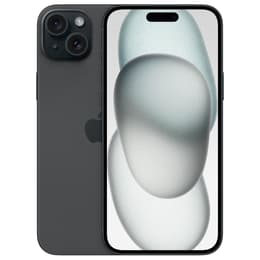
iPhone 15 Plus
iPhone 15 Plus
Starting at

Refurbished price:A$719.00

Versus A$1,399.00 new

See options

Ratings

The Google Pixel 6A, released in July 2022, and the iPhone 15 Plus, launched in September 2023, represent distinct approaches to smartphone design and functionality. While the Pixel 6A operates on Android and focuses on computational photography and Google's ecosystem, the iPhone 15 Plus runs on iOS, offering a larger display and Apple's integrated experience. These devices cater to users with different priorities, from software longevity and camera capabilities to screen size and overall system performance.

Scores

Durability

When considering the long-term usability of these devices, their release timelines and software support policies are key differentiators.

  • Release and Software Support: The Google Pixel 6A, released in July 2022, is expected to receive OS updates until at least July 2025 and security updates until at least July 2027, offering a solid period of software longevity. The iPhone 15 Plus, launched in September 2023, is guaranteed a minimum of five years of software support, potentially extending to 2035 for major iOS updates, ensuring a very long practical lifespan.
  • Physical Durability and Repairability: The Pixel 6A features an IP67 rating for dust and water resistance and Gorilla Glass 3 for screen protection. It has a repairability score of 7 out of 10, noted for its relatively easy battery removal and display replacement using clips. The iPhone 15 Plus boasts an IP68 rating and a Ceramic Shield front cover, offering enhanced protection against drops and water ingress. Its repairability score is also 7 out of 10, an improvement over previous models, with easier access to some internal components.
  • Expected Practical Lifespan: Both devices are built to last, with the iPhone 15 Plus generally offering a longer period of guaranteed software updates, which can be a significant factor for users planning to keep their device for many years. The Pixel 6A's robust build and good repairability also contribute to its potential for extended use.

Performance

The performance of a smartphone is crucial for daily tasks, app responsiveness, and multitasking capabilities.

  • Processing Power: The Google Pixel 6A is powered by Google's Tensor chip, which enables smooth handling of demanding applications and efficient on-device AI tasks. The iPhone 15 Plus incorporates the Apple A16 Bionic chip, providing robust performance for a wide range of activities, from intensive gaming to complex productivity apps.
  • Multitasking and Responsiveness: With 6GB of RAM, the Pixel 6A manages multitasking effectively, ensuring apps load quickly and switch smoothly. The iPhone 15 Plus also features 6GB of RAM, contributing to its fluid user experience and ability to handle multiple applications simultaneously without noticeable slowdowns.
  • Storage and Battery Behavior: The Pixel 6A comes with 128GB of internal storage, which is non-expandable. Its 4410 mAh battery typically provides a full day of use, with an extreme battery saver mode extending this significantly. The iPhone 15 Plus offers more storage options, including 128GB, 256GB, and 512GB. Its 4383 mAh battery is noted for its excellent longevity, often lasting through a full day of heavy use and potentially two days with lighter usage.

Memory (GB)

6 GB

6 GB

Screen quality

The display is a primary interface for smartphone interaction, and both devices offer distinct viewing experiences.

  • Display Technology and Clarity: The Google Pixel 6A features a 6.1-inch FHD+ OLED display with a resolution of 2400 x 1080 pixels, providing clear visuals and vibrant colors. The iPhone 15 Plus boasts a larger 6.7-inch Super Retina XDR OLED display with a higher resolution of 2796 x 1290 pixels, resulting in sharp images and deep blacks.
  • Brightness and Outdoor Visibility: The Pixel 6A's OLED screen offers good brightness, making it suitable for outdoor viewing. The iPhone 15 Plus significantly enhances outdoor visibility with a peak outdoor brightness of up to 2000 nits, ensuring content remains easily readable even in direct sunlight.
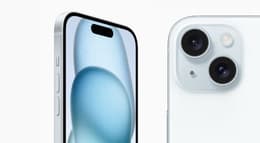
  • Refresh Rate and Viewing Experience: The Pixel 6A has a standard 60Hz refresh rate, which provides a consistent but not exceptionally fluid scrolling experience. The iPhone 15 Plus also operates at a 60Hz refresh rate, which is adequate for most daily tasks but does not offer the smoother motion found on devices with higher refresh rates. The iPhone 15 Plus also introduces the Dynamic Island, an interactive area around the front camera that displays alerts and background activities.

Audiovisual

Camera capabilities are a significant factor for many users, and both smartphones deliver strong photographic performance with different strengths.

  • Rear Camera Systems: The Google Pixel 6A features a dual-camera setup with a 12.2-megapixel main sensor and a 12-megapixel ultrawide lens. Its strength lies in Google's computational photography, producing detailed and color-accurate images, especially in everyday scenarios and low light. The iPhone 15 Plus comes with a more advanced dual-camera system, including a 48-megapixel main sensor and a 12-megapixel ultrawide lens. This allows for high-resolution photos and offers a 2x optical zoom option by cropping the main sensor.
  • Front Camera and Video Quality: For selfies, the Pixel 6A includes an 8-megapixel front camera. It can record 4K video at up to 60 frames per second. The iPhone 15 Plus is equipped with a 12-megapixel TrueDepth front camera, which excels in detail and low-light performance. It also offers high-quality video recording capabilities, with improved low-light video compared to its predecessors.
  • Special Features and Audio: The Pixel 6A includes features like Magic Eraser, Real Tone, and Night Sight, enhancing photo editing and low-light photography. The iPhone 15 Plus benefits from Smart HDR 5 and an auto portrait mode that allows for refocusing after a photo is taken. Both devices offer good microphone quality for calls and recording, and their speakers provide a clear audio experience for media consumption.

Miscellaneous

Beyond core features, several practical elements contribute to the overall user experience of these smartphones.

  • Connectivity and Ports: Both the Google Pixel 6A and the iPhone 15 Plus support 5G connectivity, ensuring fast mobile data speeds. The Pixel 6A uses a USB-C port for charging and data transfer and supports Wi-Fi 802.11ax and Bluetooth. The iPhone 15 Plus also features a USB-C port, marking a shift from Apple's proprietary Lightning connector, and includes Wi-Fi 6 and Bluetooth 5.3.
  • Authentication and Sensors: The Pixel 6A utilizes an in-display fingerprint sensor for secure unlocking. The iPhone 15 Plus relies on Face ID for biometric authentication, offering a secure and convenient facial recognition system. Both devices include standard sensors such as accelerometers, gyroscopes, and proximity sensors.
  • Physical Characteristics: The Pixel 6A is a more compact device with a 6.1-inch screen and a plastic back, contributing to its lighter feel. The iPhone 15 Plus, with its 6.7-inch display, is a larger device, weighing 201 grams and featuring an aluminum frame with a color-infused glass back. Its larger size can be beneficial for media consumption and users who prefer more screen real estate.

Screen size (in)

6.1

6.7

SIM card

Physical SIM + eSIM

Physical SIM + eSIM

Carrier compatibility

Unlocked

Unlocked

The Google Pixel 6A and the iPhone 15 Plus cater to different user preferences, each excelling in specific areas. The Pixel 6A is frequently praised for its exceptional camera performance, driven by Google's advanced computational photography, and its smooth Android experience. Users appreciate its solid performance for everyday tasks and its relatively compact form factor. Common criticisms often point to its 60Hz display and the absence of wireless charging.

Conversely, the iPhone 15 Plus receives high marks for its outstanding battery life, large and vibrant OLED display, and the seamless integration within the Apple ecosystem. Its improved camera system and the introduction of the Dynamic Island are also significant advantages. Some users note the 60Hz refresh rate as a limitation compared to other devices in its category, and the lack of a dedicated telephoto lens is sometimes mentioned.

Users prioritizing a powerful camera with intelligent software and a pure Android experience may find the Google Pixel 6A well-suited to their needs. Those who value a large, bright display, extended battery life, and the comprehensive iOS ecosystem will likely lean towards the iPhone 15 Plus. Both devices offer a quality-assured refurbished option, providing a sustainable choice for consumers.

See all articles

Our recent comparisons