
Compare models
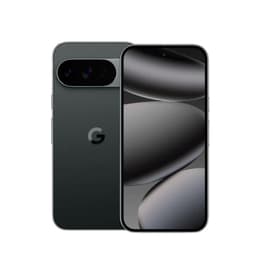
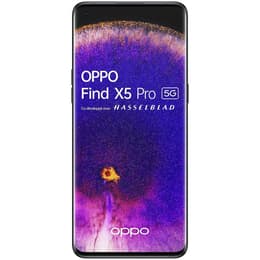
Google Pixel 10 Pro XL vs Oppo Find X5 Pro 5G
- 1-year warranty
- Free standard shipping
- Free 30-day returns
Differences at a glance
The Google Pixel 10 Pro XL (2025) and the Oppo Find X5 Pro 5G (2022) are premium smartphones designed to deliver high-end mobile experiences. While they belong to different release years and run distinct software ecosystems, both devices offer large screens, robust processing capabilities, and advanced camera arrays. The primary differentiators between these two models include their software update longevity, internal memory configurations, and camera processing approaches.
Available Models
Colour
Storage (GB)
Scores
Durability
When examining hardware longevity and software support, these two devices reflect different stages in their product lifecycles, with newer models offering extended update commitments. Choosing a quality-assured refurbished option provides a sustainable way to access these high-end features while reducing electronic waste.
- Software Support Timeline: The Google Pixel 10 Pro XL benefits from a multi-year software commitment extending deep into the decade, whereas the Oppo Find X5 Pro 5G operates on an earlier software release schedule.
- Expected Lifespan: Both devices feature robust build qualities rated for water and dust resistance, though newer software architectures on the Pixel model ensure prolonged compatibility with modern applications.
- Repairability: Both manufacturers provide structured repair frameworks, though parts availability generally favors more recently released hardware options.
Release year
2025
2022
Operating system
Android
Android
Foldable
No
No
Performance
Under everyday conditions, both smartphones handle demanding tasks, multitasking, and media consumption smoothly, though their internal memory capacities and thermal management differ.
- Multitasking and Memory: The Google Pixel 10 Pro XL equips ample random access memory to handle intensive background processes, while the Oppo Find X5 Pro 5G manages daily multitasking efficiently through its high-capacity memory configurations.
- Battery Behavior: Both devices incorporate large battery capacities designed to last through a standard day of mixed usage, complemented by fast charging capabilities to minimize downtime.
- System Responsiveness: App launching, web browsing, and graphics-heavy tasks execute without noticeable stutter on both platforms, supported by modern internal hardware.
Screen quality
Visual output across both devices relies on advanced display panels that deliver sharp resolution, deep contrast levels, and smooth motion handling for daily media consumption.
- Display Technology: Both models utilize high-resolution OLED panels that render vibrant colors and deep blacks, ensuring clear legibility indoors and outdoors.
- Refresh Rate: Both devices support adaptive refresh rates up to 120Hz, providing fluid scrolling through web pages and smooth animations during navigation.
- Viewing Area: Generous screen sizes exceeding 6.7 inches offer expansive canvases for viewing videos, reading documents, and editing photos.
Resolution
1344x2992
1440 x3216
Audiovisual
Optics and media creation capabilities are central to both handsets, utilizing multi-lens arrays paired with dedicated image processing software.
- Camera System: Both devices feature versatile triple-lens configurations including main, ultra-wide, and telephoto sensors, capturing sharp details across varying distances.
- Low-Light Performance: Advanced computational photography features on both models help reduce noise and retain clarity in dim environments.
- Video and Audio: High-resolution video recording paired with clear microphone arrays and stereo speakers creates a balanced multimedia playback and recording experience.
Miscellaneous
Practical daily utility is shaped by connectivity standards, physical dimensions, and handling characteristics inherent to each chassis design.
- Connectivity: Both models support 5G networking, modern Wi-Fi standards, and Bluetooth for reliable peripheral pairing and fast data transfers.
- Physical Build: The devices utilize durable glass and metal materials with certified water and dust resistance ratings, though overall weight and dimensions vary slightly depending on the internal battery size.
- Authentication: Secure unlocking is handled via responsive in-display fingerprint sensors and facial recognition options.
Weight
232 oz
218 oz
Screen size (in)
6.8
6,7
Network
5G
5G
SIM card
Physical SIM + eSIM
Physical SIM + eSIM
Carrier compatibility
Unlocked
Unlocked
What the community thinks
User feedback from online communities highlights distinct preferences for each device based on individual priorities. Owners of the Google Pixel 10 Pro XL frequently praise its intelligent software features, long-term software update support, and consistent camera results. Conversely, users of the Oppo Find X5 Pro 5G often highlight its rapid charging speeds, premium ceramic or glass finish, and smooth display performance. Some discussions note that older models may receive fewer major system upgrades over time, while newer releases command higher familiarity within current app ecosystems.
Users prioritizing extended software longevity and AI-assisted photography features may prefer the Google Pixel 10 Pro XL, while users valuing rapid battery replenishment and sleek physical construction might lean toward the Oppo Find X5 Pro 5G. Selecting a quality-assured refurbished option from Back Market allows consumers to explore either device as a sustainable, reliable alternative that matches their specific technological needs.